
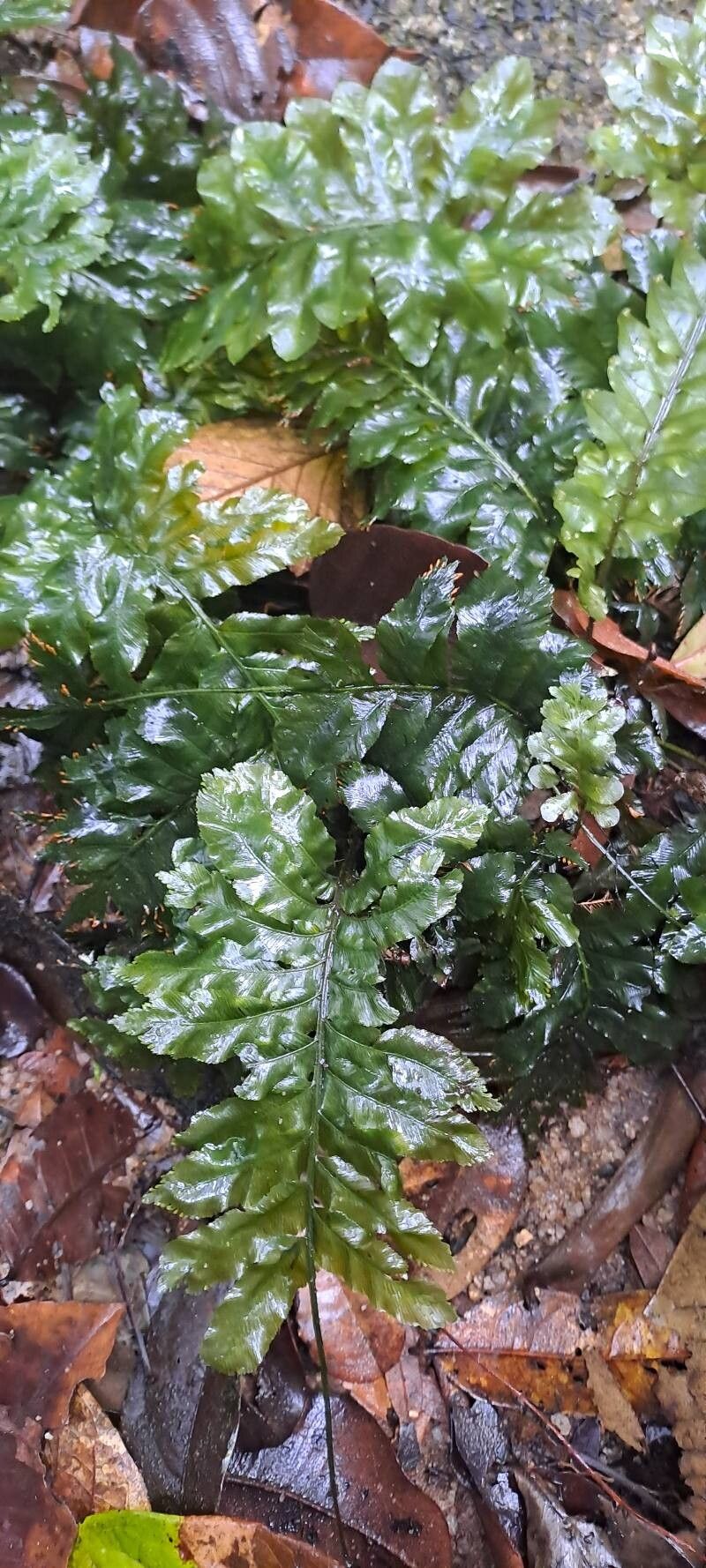
Propagating Trichomanes hostmannianum: A Challenge Worth Embracing
Trichomanes hostmannianum, also known as the Hostmann’s filmy fern, is a captivating epiphytic fern prized for its delicate, translucent fronds and unique growth habit. Its popularity among fern enthusiasts stems from its ethereal beauty and the challenge it presents in cultivation. Its propagation, however, poses a notable hurdle for even experienced gardeners, setting it apart from many other fern species. This article explores the various methods to propagate Trichomanes hostmannianum, outlining both the challenges and rewards.
Seed Germination:
Currently, there are no known reliable methods for seed germination propagation of Trichomanes hostmannianum. Filmy ferns in general are notoriously difficult to propagate from seed due to the short viability of their spores and the highly specific environmental conditions required for germination. Further research into the specific requirements of Trichomanes hostmannianum spores would be needed to determine the feasibility of this method.
Cuttings:
Propagating Trichomanes hostmannianum via cuttings presents significant challenges. The delicate nature of the fronds makes them prone to desiccation, and the slow growth rate necessitates meticulous care.
- Challenges: High failure rate due to susceptibility to desiccation, fungal infection, and difficulty in rooting.
- Practical Tips: If attempting cuttings, select healthy, young fronds with actively growing tips. It is crucial to maintain extremely high humidity (ideally using a humidity dome or propagation case) and consistently moist (but not waterlogged) conditions. Applying a rooting hormone may offer a slightly increased chance of success. The use of a sterile propagation medium is also crucial to prevent fungal contamination.
- Rewards: While difficult, successful cuttings propagation allows for the creation of genetically identical plants, preserving desirable traits.
Division:
Division is the most practical and commonly used method for propagating Trichomanes hostmannianum. This involves carefully separating the rhizomes into smaller sections, each containing several fronds and healthy roots.
- Challenges: Requires careful handling to avoid damaging the delicate rhizomes and fronds. The plant’s slow growth rate means that significant increases in plant numbers are not achieved quickly.
- Practical Tips: Division should ideally be done during the actively growing season. Use a sharp, sterile knife or shears to divide the rhizomes. Plant each division in a well-draining yet moisture-retentive medium, such as a mixture of sphagnum moss and perlite, ensuring optimal humidity.
- Rewards: Division provides a relatively high success rate compared to other methods, offering a faster, more reliable way to increase the number of plants.
Tissue Culture:
Tissue culture offers a potential solution for large-scale propagation of Trichomanes hostmannianum. This advanced technique allows for rapid multiplication of genetically identical plants under sterile conditions.
- Challenges: Requires specialized equipment, aseptic techniques, and expertise in plant tissue culture. It involves significant upfront costs and investments in time and resources.
- Practical Tips: Success depends on carefully selecting actively growing tissue, using an appropriate growth medium containing plant hormones, and maintaining sterile conditions throughout the process.
- Rewards: Tissue culture offers the potential to produce a large number of plants rapidly, preserving genetic uniformity, and making the species more readily available to gardeners.
Conclusion:
Propagating Trichomanes hostmannianum presents considerable challenges across all explored methods. Seed germination is currently deemed unreliable, while cuttings offer a low success rate. Division is the most practical approach for small-scale propagation, but tissue culture holds the key for large-scale production. However, the unique rewards of successfully cultivating this ethereal fern certainly outweigh the difficulties involved. The satisfying result of nurturing these delicate plants to maturity, particularly through methods like division, connects the grower deeply with the plant’s life cycle and inherent tenacity – a testament to the enduring appeal of this captivating species. Aspiring propagators are encouraged to begin with the division method, meticulously following the tips outlined above. Master this approach, and you’ll lay a firm foundation to tackle the more advanced methods later. Remember patience and persistence are crucial for success in the world of Trichomanes hostmannianum cultivation.