
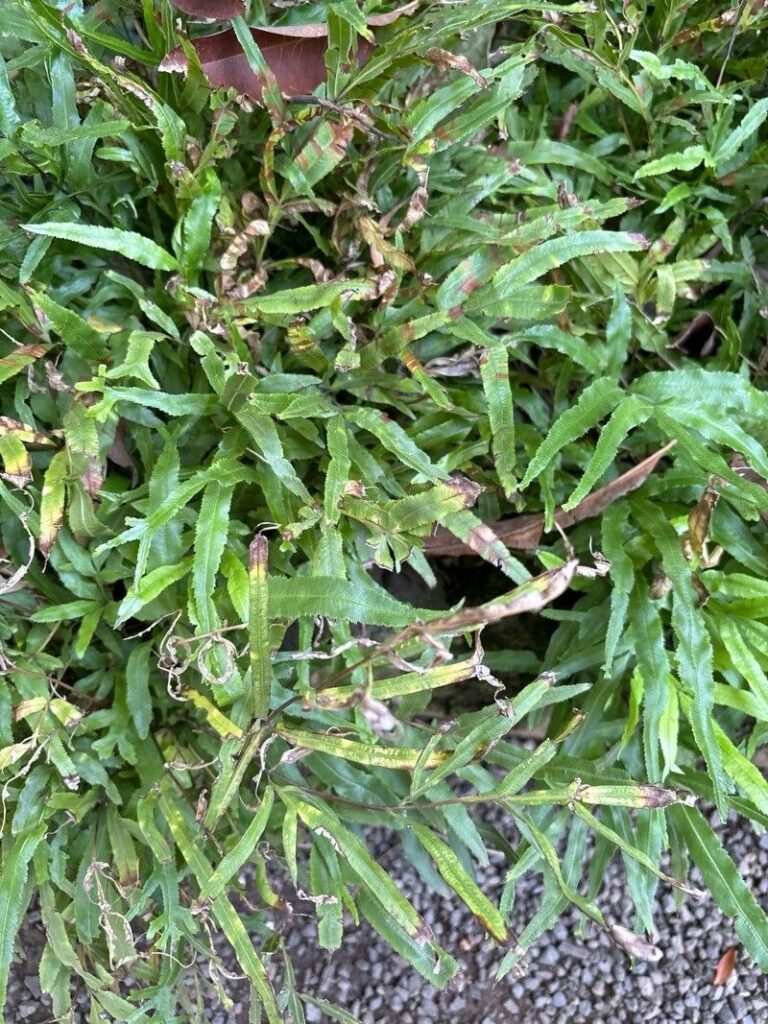
Propagating the Bracken Fern: Unveiling the Secrets of Pteris incompleta
Pteris incompleta, commonly known as the incomplete brake fern, is a captivating fern species prized for its delicate, finely divided fronds and attractive, often dark-colored stipes (the stalks supporting the fronds). Its graceful appearance adds a touch of elegance to shaded gardens and indoor spaces, making it a popular choice among fern enthusiasts. However, propagation of Pteris incompleta presents some unique challenges, demanding patience and attention to detail. This article explores the various methods available, weighing their effectiveness and potential rewards.
Seed Germination:
Currently, there are no known reliable methods for seed germination propagation of Pteris incompleta. Ferns, in general, reproduce far more effectively through vegetative means, and Pteris incompleta appears to be no exception. Spores, which are analogous to seeds in ferns, are produced but require highly specific conditions that are difficult to replicate outside of a controlled laboratory setting.
Cuttings:
Propagating Pteris incompleta from cuttings is also unreliable. Unlike some other plants, fern fronds do not readily produce adventitious roots from cuttings. Attempts at propagation using frond cuttings have generally proven unsuccessful.
Division:
Division is the most practical and successful method for propagating Pteris incompleta. This involves carefully separating the rhizome (underground stem) into smaller sections, each containing multiple growing points.
-
Challenges: Dividing the rhizome requires careful handling to avoid damaging the delicate roots and growing points. Improper division can lead to rot and failure. The plant’s growth rate is relatively slow, so even successful divisions might take time to establish themselves.
-
Practical Tips: Divide the rhizome in spring or early summer, when the plant is actively growing. Use a sharp, clean knife or spade to avoid crushing the rhizomes. Ensure each division has a healthy portion of rhizome and several actively growing fronds. Plant the divisions in well-draining, moist potting mix or directly into the garden in a shady location. Keep the divisions consistently moist but not waterlogged.
- Rewards: Division offers a relatively straightforward way to increase the number of plants. It ensures the propagation of genetically identical offspring, preserving desirable characteristics of the parent plant.
Tissue Culture:
Tissue culture offers a potential, albeit specialized, method for propagating Pteris incompleta. This laboratory-based technique involves growing plant tissues in a sterile, nutrient-rich medium.
-
Challenges: Tissue culture requires specialized equipment, sterile techniques, and a detailed understanding of plant tissue culture principles. It is generally not a feasible method for home gardeners.
-
Practical Tips: This method should only be attempted by those with experience in plant tissue culture techniques. Sterile conditions are paramount to prevent contamination. Specialized growth media and hormones are necessary to stimulate growth and development.
- Rewards: Tissue culture allows for the mass production of genetically identical plants, offering significant potential for commercial propagation. It also allows for the preservation and propagation of rare or endangered Pteris incompleta varieties.
Conclusion:
Propagating Pteris incompleta presents unique challenges across all methods. While seed germination and frond cuttings are currently not viable options, division presents a practical approach for home gardeners. Tissue culture offers potential benefits on larger scales but requires specialized expertise. The rewards, however, are well worth the effort. The satisfaction of nurturing a divided rhizome into a thriving plant, or successfully completing a tissue culture protocol, provides a deep sense of accomplishment. For the aspiring propagator, patience, careful attention to detail, and a willingness to learn from successes and failures are crucial elements in successfully cultivating this beautiful and enigmatic fern. Begin with division; master that, and the world of fern propagation might open up to offer even greater rewards.