
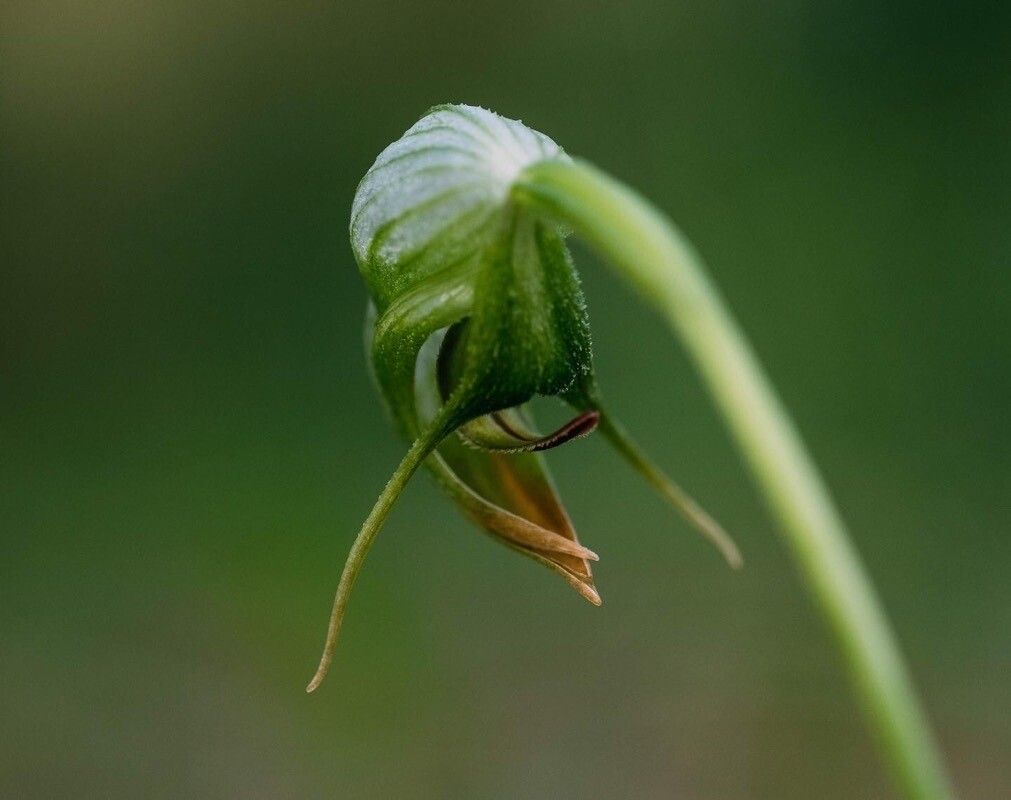
Unmasking the Mystery: Propagating the Nodding Greenhood Orchid (Pterostylis nutans)
The Nodding Greenhood Orchid (Pterostylis nutans) is an enchanting Australian native orchid, captivating with its intricate green and white blooms that gracefully nod in the breeze. While admiring its beauty in the wild is a treat, cultivating these unique orchids at home can be a rewarding challenge. If you’re keen to propagate the Nodding Greenhood, be prepared to delve into the fascinating, and sometimes finicky, world of orchid reproduction.
Two Pathways: Seed and Division
Propagating Pterostylis nutans can be achieved through two main methods: seed germination and division.
1. Seed Germination: A Microscopic Marvel
Orchid seeds are notoriously tiny, lacking the nutrient reserves found in most other plant seeds. They rely on a symbiotic relationship with specific mycorrhizal fungi present in the soil for germination. These fungi provide the seeds with essential nutrients, enabling them to sprout.
- Dust-like Challenge: Due to the complexity of replicating this fungal partnership at home, seed germination is best left to specialist growers or those willing to undertake significant research and experimentation.
2. Division: A More Accessible Approach
Dividing established plants offers a more practical method for home propagation. Pterostylis nutans, like many terrestrial orchids, produce daughter tubers, effectively clones of the parent plant.
- Timing is Key: The ideal time for division is after flowering when the plant has finished its growth cycle and is entering dormancy.
- Gentle Separation: Carefully unearth the clump and search for daughter tubers connected to the main plant. Using a clean, sharp tool, separate these tubers, ensuring each has its own root system.
- Replanting: Pot the divisions into a well-draining orchid mix, ensuring the tuber sits just below the soil surface. Water sparingly, as overwatering can lead to rot.
Patience is a Virtue
Regardless of the method, propagating Pterostylis nutans requires patience. It can take several years for divisions to reach flowering size, and seed-grown plants even longer.
Creating the Right Environment
To give your propagated plants the best chance of success, mimic their natural habitat:
- Light: Dappled shade is ideal, replicating the light conditions found on the forest floor.
- Moisture: Water regularly during the growing season (spring and autumn), allowing the potting mix to dry slightly between waterings. Reduce watering during the dormant periods (summer and winter).
- Humidity: Elevate humidity levels by placing the pot on a tray filled with pebbles and water.
- Fertilizer: Use a diluted orchid fertilizer during the growing season.
The Rewards of Persistence
Propagating the Nodding Greenhood Orchid might require dedication and a gentle touch, but the reward of seeing these elegant blooms emerge in your own care is truly special. With each successful propagation, you contribute to the conservation of this remarkable Australian native orchid.