
Decoding the Secrets of the Jug Orchid: Propagating Pterostylis recurva
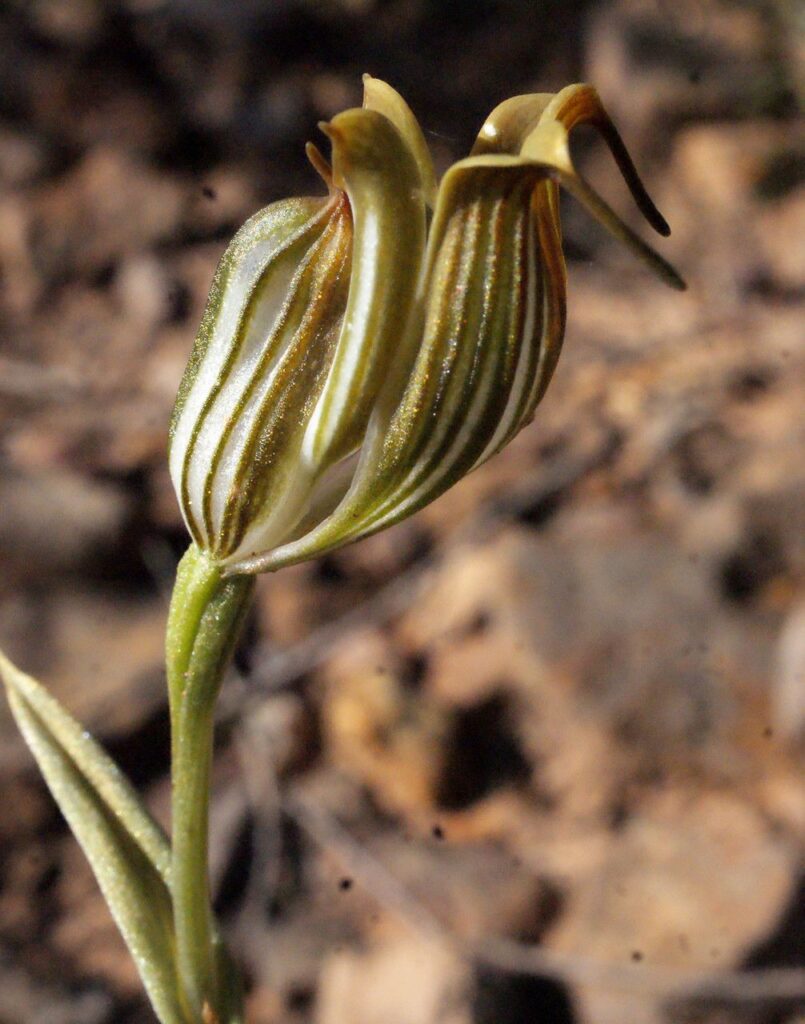
The “Jug Orchid,” or Pterostylis recurva, stands out in the orchid world for its unusual, almost otherworldly appearance. Its flower, resembling a miniature green jug with a delicate pointed lid, is a testament to nature’s creativity. But behind this unique beauty lies a propagation challenge that can intrigue even seasoned orchid enthusiasts.
Unlike many orchids propagated through cuttings or keikis (baby plants), Pterostylis recurva relies primarily on seeds and a fascinating symbiotic relationship with specific fungi. This makes its propagation a truly fascinating dance between science and nature’s magic.
The Seed of Life: A Tiny World of Challenges
Pterostylis recurva seeds are incredibly small, dust-like particles carrying minimal food reserves. In the wild, these seeds depend on encountering the right mycorrhizal fungi in the soil. These fungi penetrate the seed coat, providing essential nutrients and facilitating germination.
Replicating this dance in a controlled environment presents the most significant hurdle.
- Specialized Media: Forget regular potting mix. Pterostylis recurva seeds require a specialized, sterile, and nutrient-poor medium that allows the mycorrhizal fungi to thrive.
- Sourcing the Fungi: This is where things get tricky. Obtaining the correct mycorrhizal fungi species compatible with Pterostylis recurva can be difficult. Some enthusiasts have reported success using small amounts of soil collected from beneath established colonies of the orchid in the wild (always collect responsibly and where permitted).
-
Patience is Key: Germination can take months, even years. It’s a waiting game that requires meticulous care and observation.
Division: A More Straightforward, Yet Uncertain Path
Mature Pterostylis recurva plants produce tubers (underground storage organs), and division of these tubers offers a slightly more straightforward, albeit less reliable, propagation method.
- Timing is Everything: The ideal time for division is after flowering when the plant has stored energy in its tubers.
- Division with Care: Gently unearth the plant, ensuring minimal disturbance to the root system. Identify tubers connected by fragile rhizomes (underground stems). Using a sterilized sharp knife or scissors, carefully separate the tubers, ensuring each division has some roots attached.
- Repotting: Plant each division in a well-draining orchid mix formulated for terrestrial orchids, taking care to replicate the original planting depth.
The Rewards of Persistence
Successfully propagating Pterostylis recurva is an immensely rewarding experience. It demands patience, meticulous attention to detail, and a deep understanding of the plant’s unique needs. Whether you succeed through seed or division, the sight of a new “Jug Orchid” emerging is a testament to the wonders of the natural world and your own dedication.
Remember, the journey is just as important as the destination. So, embrace the challenges, enjoy the learning process, and with a bit of luck and plenty of care, you too can unlock the secrets of propagating the fascinating Pterostylis recurva.