
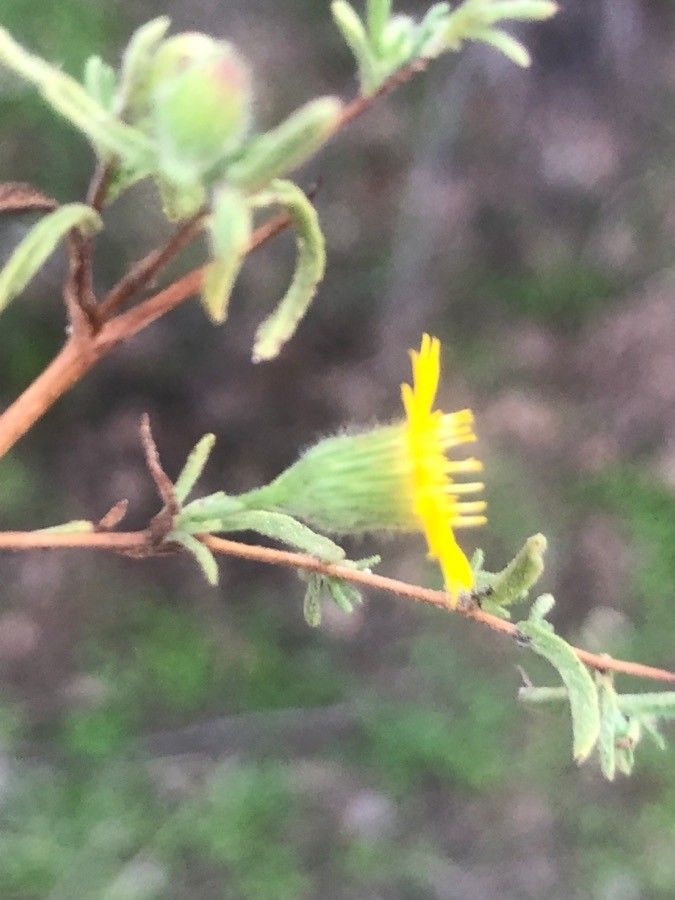
From Seed to Success: Propagating the Resilient Pulicaria arabica
The Pulicaria arabica, with its cheerful yellow blooms and hardy nature, is a true gem for any garden. But did you know this desert-dwelling beauty is also surprisingly easy to propagate? Whether you’re looking to expand your collection or share this enchanting plant with friends, mastering propagation techniques will open a world of possibilities.
The Power of Seeds:
Pulicaria arabica readily produces seeds, making this the simplest method of propagation. To collect seeds, simply wait until the flower heads turn brown and dry. Gently snip them off the plant and store them in a cool, dry place. Once you’re ready to sow, a simple process will bring new life to your garden:
- Prepare the soil: Choose a well-draining potting mix and fill small pots or trays. Lightly dampen the soil.
- Sow the seeds: Plant the seeds about ¼ inch deep and space them a few inches apart.
- Provide light and warmth: Place your pots in a sunny location. For best results, maintain a temperature between 70-75°F.
- Keep the soil moist: Regularly mist the soil to maintain consistent moisture without saturating it.
- Thin seedlings: Once the seedlings have a few true leaves, thin them out, leaving the strongest plant in each pot or tray.
Harnessing the Power of Cuttings:
Pulicaria arabica can also be propagated through stem cuttings, a process that allows you to quickly create new plants. Here’s how to do it:
- Select healthy cuttings: Choose a healthy stem with several nodes (where leaves grow). Cut the stem just below a node using sharp, clean scissors.
- Remove lower leaves: Take off the leaves on the bottom two inches of the cutting, exposing a bare stem.
- Dip in rooting hormone (optional): This will boost the chances of successful root development.
- Pot in rooting medium: Use a well-draining mix like perlite or a mix of perlite and cactus soil. Insert the cutting about 1-2 inches deep.
- Provide warmth and humidity: Place the pot in a warm, humid environment, such as a mini-greenhouse or a plastic bag.
- Keep moist: Keep the rooting medium slightly moist but not soggy.
- Watch for roots: After a few weeks, gently tug on the cutting. If you feel resistance, roots are forming!
Important Considerations:
- Timing is key: The best time for propagation is during the spring or summer months when the plant is actively growing.
- Disease prevention: Sterilize your tools before use to prevent the spread of diseases.
-
Patience is a virtue: Propagation takes time. Don’t get discouraged if your first attempts don’t succeed. Keep trying and soon you’ll find yourself surrounded by thriving Pulicaria arabica!
Beyond the Garden:
This hardy plant has a fascinating history in traditional medicine, offering a wide array of uses. Its leaves are used to soothe skin irritations, reduce inflammation, and even treat respiratory issues.
So, why not embark on your own propagation journey? The Pulicaria arabica, with its beauty and resilience, is a rewarding plant to grow and share. With a little patience and care, you can easily create new plants and enjoy their beauty for years to come.