
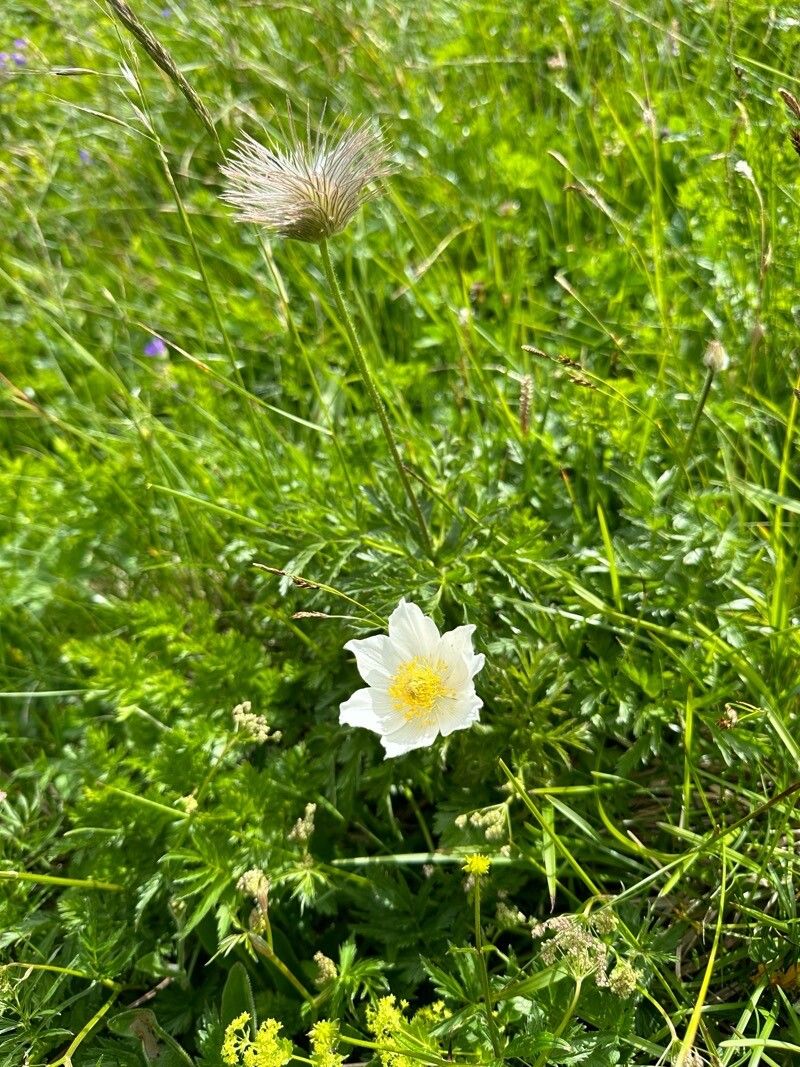
Propagating the Alpine Pasque Flower: A Gardener’s Guide to Pulsatilla alpina
Introduction:
Pulsatilla alpina, commonly known as the Alpine Pasque Flower, is a captivating member of the Ranunculaceae family, prized for its delicate, bell-shaped flowers that range in color from white to lilac and purple. Native to mountainous regions of Europe, this low-growing perennial boasts finely dissected foliage and a charming, almost ethereal presence. Its popularity among rock garden enthusiasts and those seeking unique alpine plants stems from its beauty and ability to thrive in challenging conditions. However, propagation can be tricky, demanding patience and a keen understanding of the plant’s specific needs. This article will explore various propagation methods for this sought-after species.
Seed Germination:
Seed germination is a viable, albeit challenging, method for propagating Pulsatilla alpina. The primary challenge lies in the seed’s need for stratification – a period of cold, moist treatment mimicking winter conditions – to break dormancy. Without this, germination rates are extremely low.
Challenges: Achieving successful germination requires precise timing and conditions. Improper stratification can lead to seed rot or failure to germinate. Furthermore, germination is often slow and erratic, with seedlings taking several weeks or even months to emerge.
Practical Tips: Collect seeds as soon as they are mature, but still plump. Mix seeds with a moist, free-draining medium (e.g., vermiculite or perlite) and place them in a sealed bag or container in the refrigerator for 8-12 weeks at a temperature of approximately 4°C (39°F). Sow seeds after stratification in a well-drained seed tray containing a mix of peat moss and sharp sand, barely covering them with the compost. Maintain consistent moisture and bright, indirect light. Germination can take several months.
Rewards: Successfully germinating Pulsatilla alpina from seed offers the rewards of genetic diversity, allowing for a wider range of plant characteristics. It also presents a potential for large-scale propagation, though patience is paramount.
Cuttings:
Currently, there are no known reliable methods for propagation of Pulsatilla alpina from cuttings. The plant’s physiology doesn’t readily lend itself to this technique.
Division:
Division is a viable propagation method for Pulsatilla alpina, but it is best carried out during the plant’s dormant period, typically in early spring or autumn.
Challenges: Careful handling is necessary to avoid damaging the fibrous root system, which can be easily broken. Over-division can weaken the resulting plants.
Practical Tips: Gently dig up established plants after flowering has ceased or early in the spring. Carefully separate the root crown into sections, ensuring each division has a healthy portion of roots and buds. Replant the divisions immediately into well-prepared, well-drained soil, ensuring they are adequately spaced.
Rewards: Division allows for a relatively quick increase in the number of plants, retaining the genetic characteristics of the mother plant.
Tissue Culture:
While tissue culture is a sophisticated technique capable of propagating many plants, its feasibility for Pulsatilla alpina requires further research. There appears to be limited publicly available information regarding successful tissue culture propagation of this plant. This is a method better suited to research or commercial nurseries with specialized equipment and expertise.
Conclusion:
Propagating Pulsatilla alpina presents unique challenges across all methods. Seed germination, while achievable, requires meticulous stratification and patience. Division is a more reliable method for the home gardener, but requires careful handling. Cuttings and tissue culture are less well-suited. The rewards, however, are significant: the satisfaction of nurturing these delicate wildflowers from seed or division, contributing to their conservation, and ultimately, enriching your garden with their unique charm. For aspiring propagators, persistence is key; the effort is well worth the breathtaking result of successfully cultivating this alpine delight. Remember to prioritize well-drained soil, ample sunlight, and protection from extreme weather conditions for optimal growth.