
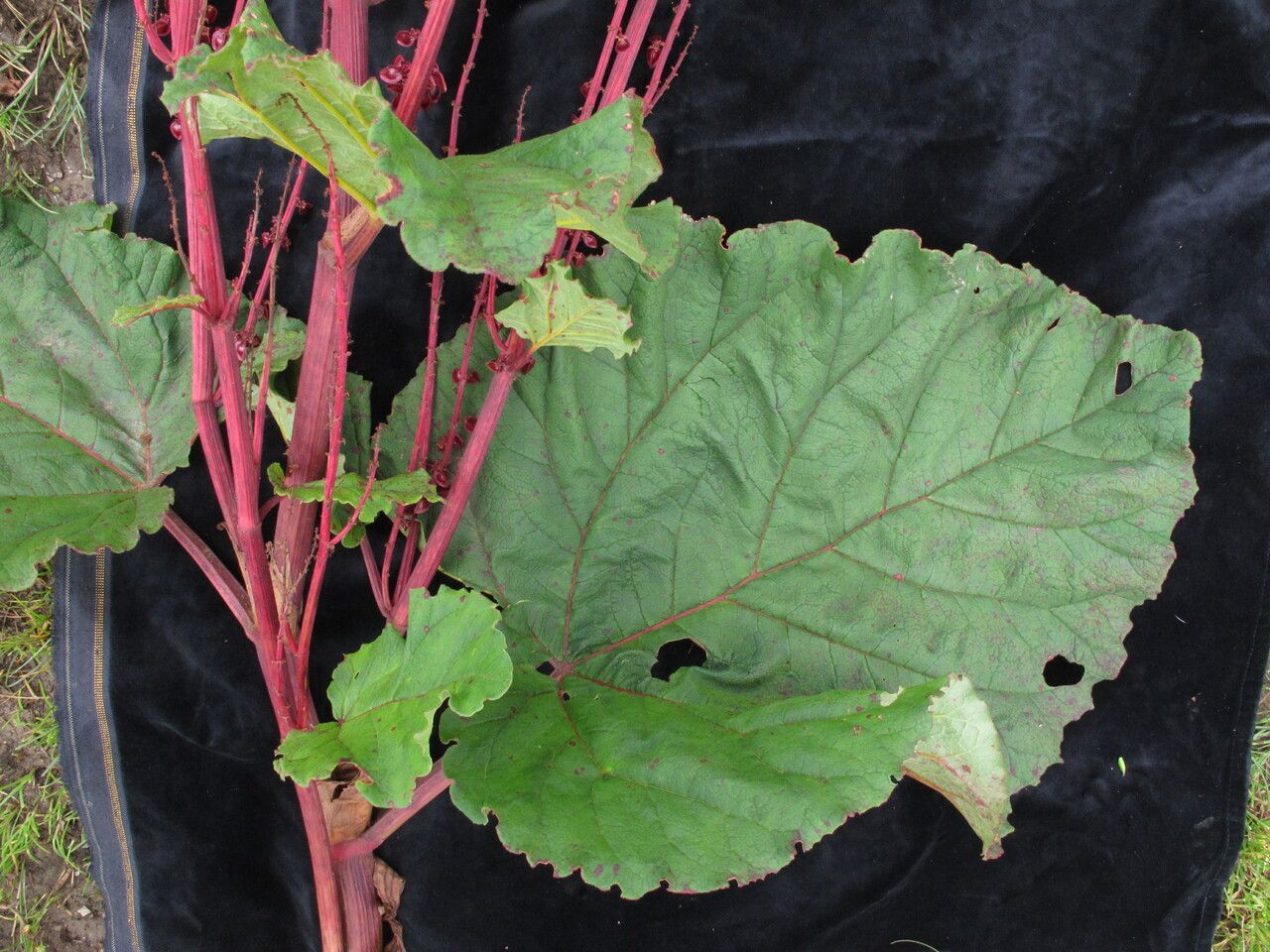
Propagating the Showy Alpine Rhubarb: Rheum acuminatum
Introduction:
Rheum acuminatum, commonly known as the Alpine Rhubarb or sometimes the Sticky Rhubarb, is a striking herbaceous perennial prized for its large, heart-shaped leaves and tall, branched flower stalks adorned with creamy-white to pale pink flowers. Native to the mountainous regions of western North America, this species boasts a certain rugged beauty that makes it a desirable addition to woodland gardens and alpine settings. Its unique characteristics, coupled with its relative rarity in cultivation, have contributed to its growing popularity among gardeners. However, propagating Rheum acuminatum presents several challenges, making successful cultivation all the more rewarding.
Seed Germination:
Seed germination is a viable, albeit challenging, method for propagating Rheum acuminatum. The primary hurdle is the seed’s requirement for stratification, a period of cold, moist treatment that mimics the natural winter conditions necessary to break dormancy.
Challenges: Low germination rates and slow germination times are common. Seed viability can also be affected by age and storage conditions.
Practical Tips: Seeds should be sown outdoors in autumn or subjected to artificial stratification (e.g., moistening the seeds and storing them in a refrigerator at 3-5°C for 8-12 weeks) before spring sowing. Sowing should be in a well-draining seed compost, barely covering the seeds as they require light for germination. Maintain consistent moisture levels but avoid overwatering to prevent fungal diseases.
Rewards: Successfully germinated seeds offer a high level of genetic diversity, opening up potential for selecting for desirable traits. This method is also suitable for large-scale propagation, though patience is required.
Cuttings:
Currently, there are no known reliable methods for propagation of Rheum acuminatum via cuttings. The plant’s physiology does not readily lend itself to this technique.
Division:
Division is a relatively successful method for propagating established Rheum acuminatum plants.
Challenges: Successful division relies on the plant having reached a sufficiently large size to produce multiple crowns. Dividing too small a crown may result in plant death. The timing is also critical; division should ideally be undertaken in early spring or late autumn when the plant is dormant or minimally active.
Practical Tips: Dig up the whole plant carefully and separate the crowns using a sharp, clean knife or spade. Each division should have its own healthy root system. Plant the divisions immediately, ensuring they are well-watered and kept in a moist, partially shaded environment until established.
Rewards: Division is a quick and relatively straightforward method of increasing the number of plants, especially efficient when aiming to create a small number of new plants. It also ensures retention of the parent plant’s genetic characteristics.
Tissue Culture:
Tissue culture propagation of Rheum acuminatum is a possibility, although it requires specialized knowledge and equipment.
Challenges: Establishing sterile conditions and selecting the correct medium and growth hormones is critical. The process is time-consuming and requires expertise in plant tissue culture techniques.
Practical Tips: This method should be undertaken in a controlled laboratory environment with sterile procedures and appropriate culture media. It requires expertise beyond that of the average home gardener.
Rewards: Tissue culture could offer a means of mass propagation of superior plants, ensuring disease-free offspring and facilitating the multiplication of rare or desirable cultivars.
Conclusion:
Propagating Rheum acuminatum presents a unique set of challenges, with seed germination and division offering the most practical approaches for the home gardener. While seed germination offers genetic diversity but requires patience, division provides a faster, albeit less varied, means of propagating the plant. The complexities involved, however, only add to the satisfaction of successfully cultivating this stunning alpine species. For those willing to dedicate the necessary time and attention, the rewards of witnessing these majestic plants thrive are well worth the effort. Don’t be discouraged by initial setbacks – persistence and careful observation are key to mastering the propagation of this remarkable plant.