
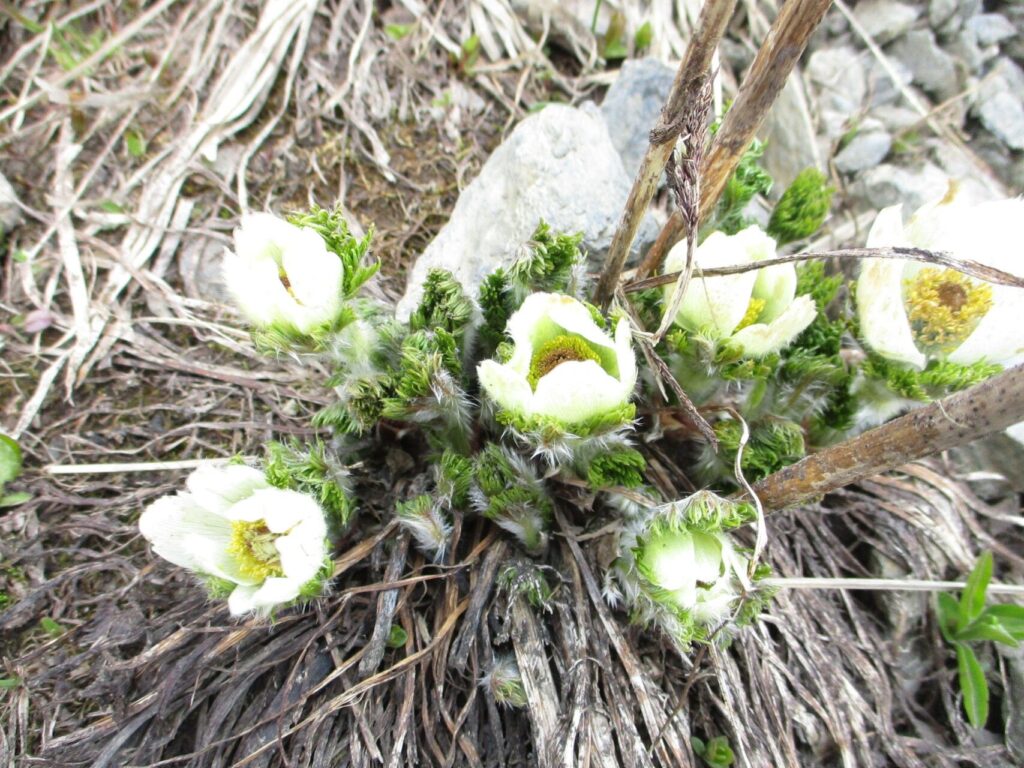
Unleashing the Magic: Propagating the Western Pasque Flower (Pulsatilla occidentalis)
The Western Pasque Flower (Pulsatilla occidentalis) is a breathtaking sight, gracing meadows and hillsides with its delicate, bell-shaped purple blooms in early spring. This rare and beautiful wildflower holds a special place in the hearts of many, and many garden enthusiasts yearn to bring its ethereal beauty to their own landscapes. But cultivating this enchanting species can be a challenge.
Fortunately, propagation offers a way to share the joy of the Western Pasque Flower without harming wild populations. While it’s a bit more involved than simply sowing seeds, the reward of successfully growing your own pasque flower is well worth the effort. Here’s a deep dive into the world of Pulsatilla occidentalis propagation:
1. The Seeds of Success: Choosing the Right Time
Collecting seeds is a crucial first step. It’s best to harvest them as soon as they mature and turn from green to brown, typically in late summer. This ensures the seeds are ready for germination and haven’t been dispersed by wind.
2. Patience is Key: A Look at the Germination Cycle
Unlike many garden plants, Pulsatilla occidentalis seeds require a period of cold stratification – mimicking their natural winter conditions – to germinate. This process can take anywhere from several weeks to several months, so patience is key!
3. The Cold Treatment: Simulating Nature
Once seeds are collected, store them in a tightly sealed container, layering them between damp paper towels. Store them in the refrigerator at 34-40°F (1-4°C) for 8-12 weeks. This cold treatment activates their germination process.
4. Planting Time: Bringing the Seeds to Life
After stratification, the seeds are ready for planting. Choose a well-drained sandy loam soil with a slightly alkaline pH. Gently press the seeds into the soil, covering them with a thin layer of soil. Maintain consistent moisture but avoid overwatering.
5. Timing is Everything: Embracing the Patience of Nature
Seed germination can take several months, sometimes even a year or more. Don’t be discouraged if you don’t see sprouts immediately. Keep the soil consistently moist, protect your seedlings from harsh sunlight, and observe diligently.
6. Division: A Gentle Approach to Increasing Your Stock
Propagation by division is another option for experienced gardeners. This method, best done in early spring or fall, involves carefully separating healthy, established plants into smaller divisions. Be sure to handle the roots with care, planting each division in its own separate pot or garden bed with well-drained soil.
7. The Key to Success: Maintaining the Right Conditions
Once your seedlings are established or your divisions have taken root, ensure that they receive adequate sunshine and well-drained soil. Providing a mulch layer helps retain moisture and keep weeds at bay.
8. Celebrating a Triumph: Witnessing the Beauty Unfold
With the right techniques and a touch of patience, you can experience the immense joy of cultivating the Western Pasque Flower. Their ethereal blooms will be a testament to your dedication and a constant reminder of the wonders of the natural world.
Remember: Always ensure that your propagation practices are sustainable and that you are not collecting seeds or dividing plants from wild populations. If you wish to grow this species, consider sourcing seeds or plants from reputable nurseries or conservation organizations. By nurturing and cultivating this rare and cherished species, we can ensure its continued presence in our gardens and landscapes for generations to come.