
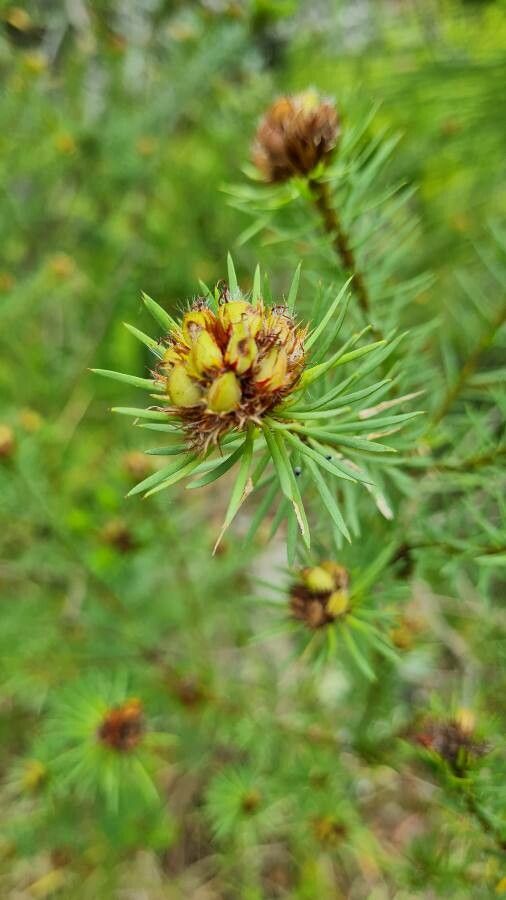
Bringing New Life to Your Garden: Propagating Pultenaea Stipularis
Looking to add a touch of Australian native beauty to your garden? The Pultenaea stipularis, with its vibrant yellow flowers and attractive foliage, is a fantastic choice. But what if you want to share this beauty with friends or simply expand your own collection? That’s where propagation comes in – the art of creating new plants from existing ones.
This guide will delve into the world of propagating Pultenaea stipularis, detailing the most effective methods for both beginners and seasoned gardeners.
Understanding Pultenaea Stipularis:
Pultenaea stipularis, also known as “Golden Guinea Flower,” is a hardy, evergreen shrub native to Australia. It features delicate, linear leaves and striking bright yellow blooms, offering a charming visual appeal throughout the year.
Methods of Propagation:
There are two primary methods commonly used for Pultenaea stipularis propagation:
1. Seed Propagation:
- Obtaining Seeds: Harvest ripe seedpods from your existing Pultenaea stipularis plant. These pods will turn brown and become brittle, signaling their readiness.
- Preparing the Seeds: Extract the seeds from the pod and lightly scarify them using sandpaper or a fine-grit file. This process helps to break the seed coat’s dormancy.
- Sowing: Sow the seeds in a seed tray filled with a well-draining potting mix. Keep the mix moist but not waterlogged. Cover the seeds with a thin layer of potting mix and place the tray in a warm, sunny location.
- Germination: Expect germination within a few weeks to several months, depending on the age of the seeds and environmental conditions. Once seedlings develop a few true leaves, you can transplant them into individual pots.
2. Cuttings:
- Selecting Cuttings: Choose healthy, young stems that have not yet flowered. Cuttings should be about 10-15cm long, taken just below a node.
- Preparing Cuttings: Remove the lower leaves and dip the cut end of the stem into rooting hormone powder.
- Planting: Insert the cuttings into a pot filled with a rooting mix, making sure the nodes are submerged. Ensure the potting mix stays moist but not soggy.
- Creating a Greenhouse Effect: Use a clear plastic bag or cloche to create a humid environment for the cuttings. Keep the pot in a bright, but not direct, sunlight location.
- Rooting: Cuttings should develop roots within a few weeks to a couple of months. You can gently tug on the cutting to check for resistance, indicating successful root formation.
Tips for Success:
- Timing is Key: Propagate Pultenaea stipularis in spring or early summer when the weather is warm and growth is active.
- Light and Watering: Ensure your chosen method receives appropriate light and watering. Excess moisture can lead to root rot, whereas insufficient water can hinder growth.
- Patience is Essential: Propagation can take time, so be patient and keep an eye on your plants’ progress.
Conclusion:
Propagating Pultenaea stipularis is an achievable and rewarding experience. By following these steps and practicing a little patience, you can readily expand your own collection or share the distinctive beauty of this native Australian shrub with others. With a little dedication and the right approach, you can create a thriving garden filled with the charming yellow blooms of Pultenaea stipularis.