
Unleashing the Majesty: How to Propagate Puya Spathacea, the Chilean Puya
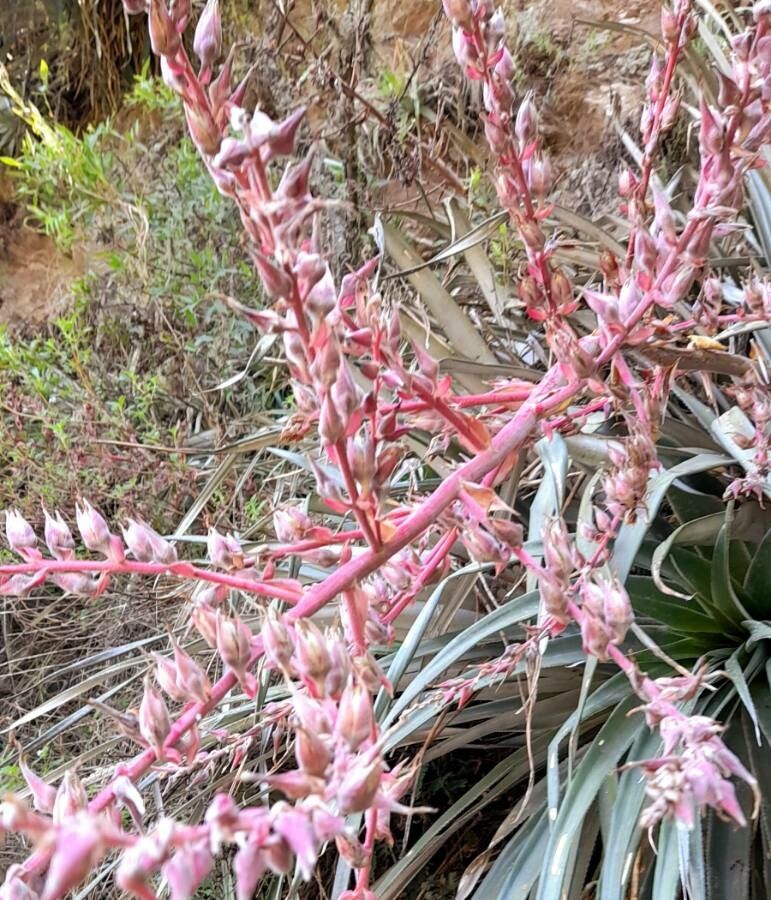
The Chilean Puya, or Puya spathacea, is a magnificent plant that embodies the spirit of the Andes. With its towering, spiky inflorescences reaching for the sky, it’s a true spectacle in the world of flora. But beyond its striking beauty lies a fascinating story of propagation.
A Tale of Two Methods
Growing a Puya spathacea from seed is a journey of patience. It’s a long-term commitment, as these plants take several years to reach maturity. However, the reward is witnessing the full splendor of this majestic plant. For those eager to see results sooner, there’s the option of propagation via division.
The Seedling Saga
- Collecting Seeds: Patience is crucial! The seeds mature within the fruit capsules that develop after the striking flower stalks fade. Collect these capsules when they turn brown and dry.
- Sowing the Seeds: Sow the seeds in a well-draining, nutrient-rich mix. Ensure the soil is kept moist, but not waterlogged. A warm, sunny location with ample light is ideal.
- Germination: The seeds are known for slow germination, which can take anywhere from a few weeks to several months. Be patient and consistent with watering.
- Growth and Development: As the seedlings grow, they will need to be repotted into larger containers to accommodate their expanding root systems.
Dividing the Majesty
- Time for Division: The most suitable time for dividing Puya spathacea is during the spring or early summer, when new growth is active.
- Preparation: Choose healthy, established plants with multiple offsets. Prepare a sharp, sterilized knife or pruning shears to make clean cuts.
- Separation: Carefully separate the offsets from the parent plant, ensuring each division has healthy roots.
- New Home: Plant the divisions in separate containers filled with a well-draining potting mix. Provide ample sunlight and water regularly.
A Few Extra Tips
- Soil: Puya spathacea prefers a slightly acidic soil with excellent drainage.
- Sunlight: Give your Puya spathacea plenty of direct sunlight. They thrive in warm environments.
- Watering: Water regularly, allowing the soil to dry slightly between waterings.
- Fertilizer: Feed your Puya with a balanced liquid fertilizer during the growing season.
A Final Note
Propagation of Puya spathacea is a labor of love. Whether you embark on the slow and steady journey with seeds or opt for the quicker route of division, the outcome is a majestic plant that will capture hearts and minds.
Remember, the journey is as much a part of the experience as the final outcome. So, arm yourself with patience, enthusiasm, and a touch of horticultural knowledge.
With a little care, you can unlock the beauty and grandeur of the Puya spathacea and witness the remarkable tale of its propagation firsthand.