
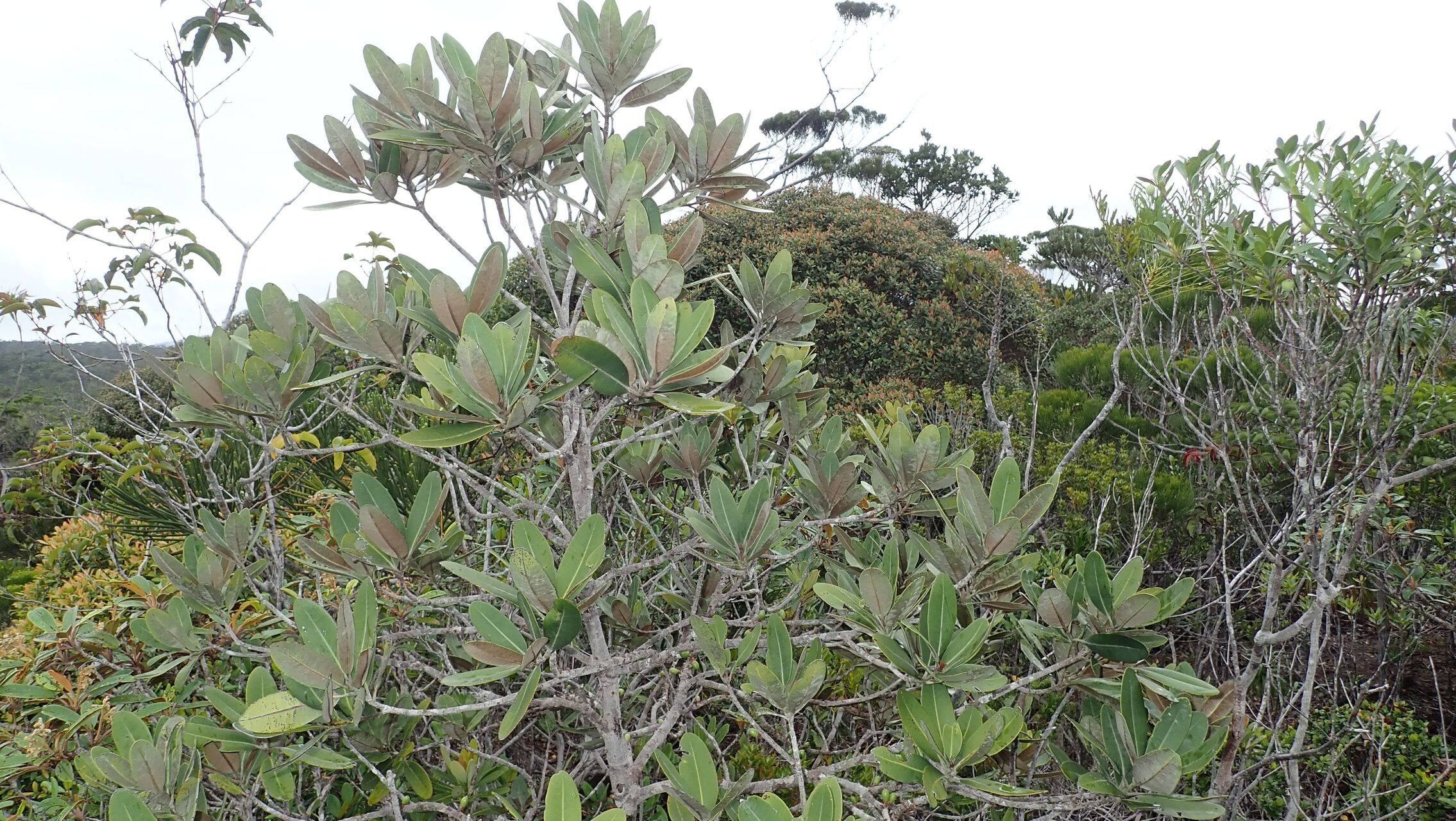
Cracking the Code: Propagating the Endangered Pycnandra decandra
The plant world holds countless wonders, and among them is the enigmatic Pycnandra decandra. Hailing from the rainforests of New Caledonia, this remarkable tree, also known as the “nickel hyperaccumulator,” possesses an almost unbelievable ability to store incredibly high concentrations of nickel in its sap – turning it a striking shade of blue-green! While its metal-rich nature makes it a fascinating subject of scientific study, it also contributes to the species facing a precarious future. Thankfully, understanding how to propagate Pycnandra decandra is a crucial step in ensuring its survival.
Seeds of Hope: The Challenges and Rewards
Propagating endangered species is a delicate dance, and Pycnandra decandra is no exception. The primary method of propagation is through seeds, though this comes with its unique set of challenges:
- Seed Scarcity: Due to the tree’s endangered status and the remote locations it inhabits, acquiring seeds can be difficult.
- Germination Hurdles: Pycnandra decandra seeds possess a hard seed coat and exhibit irregular germination rates, often taking several months to sprout.
- Specific Needs: Creating an environment mimicking the warm, humid conditions of its native rainforest is crucial for successful germination and seedling growth.
Despite these hurdles, successfully propagating Pycnandra decandra offers immense rewards:
- Conservation Powerhouse: Each new plant represents a victory in the fight to preserve this unique and endangered species.
- Scientific Advancement: Studying cultivated plants allows researchers to unlock the secrets behind the tree’s extraordinary nickel hyperaccumulation without further endangering wild populations.
Step-by-Step Guide: Growing Pycnandra decandra From Seed
Want to embark on this challenging yet rewarding journey yourself? Here’s a simplified guide:
- Sourcing Seeds: Obtaining seeds from reputable sources specializing in endangered plant conservation is crucial. Be prepared for potential waiting lists and permit requirements.
- Seed Preparation: To increase germination rates, gently scarify the hard seed coat using fine-grit sandpaper. This helps water penetrate the seed.
- Sowing the Seeds: Plant the seeds in a well-draining seed starting mix, keeping them consistently moist but not waterlogged.
- Providing the Right Environment: Place the seed trays in a warm location (around 75-80°F or 24-27°C) with high humidity. A humidity dome or placing the tray in a propagator can help maintain optimal conditions.
- Patience is Key: Germination can take several months. Don’t lose heart if you don’t see results immediately. Once seedlings emerge, ensure they receive bright, indirect light.
- Transplanting and Beyond: As the seedlings grow, gradually acclimate them to outdoor conditions before transplanting them into larger pots or a suitable outdoor location (if climate permits). Remember to choose a well-draining potting mix and provide ample humidity, especially during the early stages.
Joining the Conservation Effort
Successfully growing Pycnandra decandra requires patience, dedication, and specialized knowledge. While it might not be the easiest plant to cultivate, every successful germination contributes to preserving this extraordinary species.
You can be a part of this important conservation effort by:
- Supporting organizations: Numerous botanical gardens and conservation groups worldwide are working tirelessly to protect Pycnandra decandra.
- Spreading awareness: Sharing information about this fascinating and endangered tree raises awareness and encourages its preservation.
By understanding and appreciating the unique challenges and rewards of propagating Pycnandra decandra, we can contribute to ensuring its survival for generations to come.