
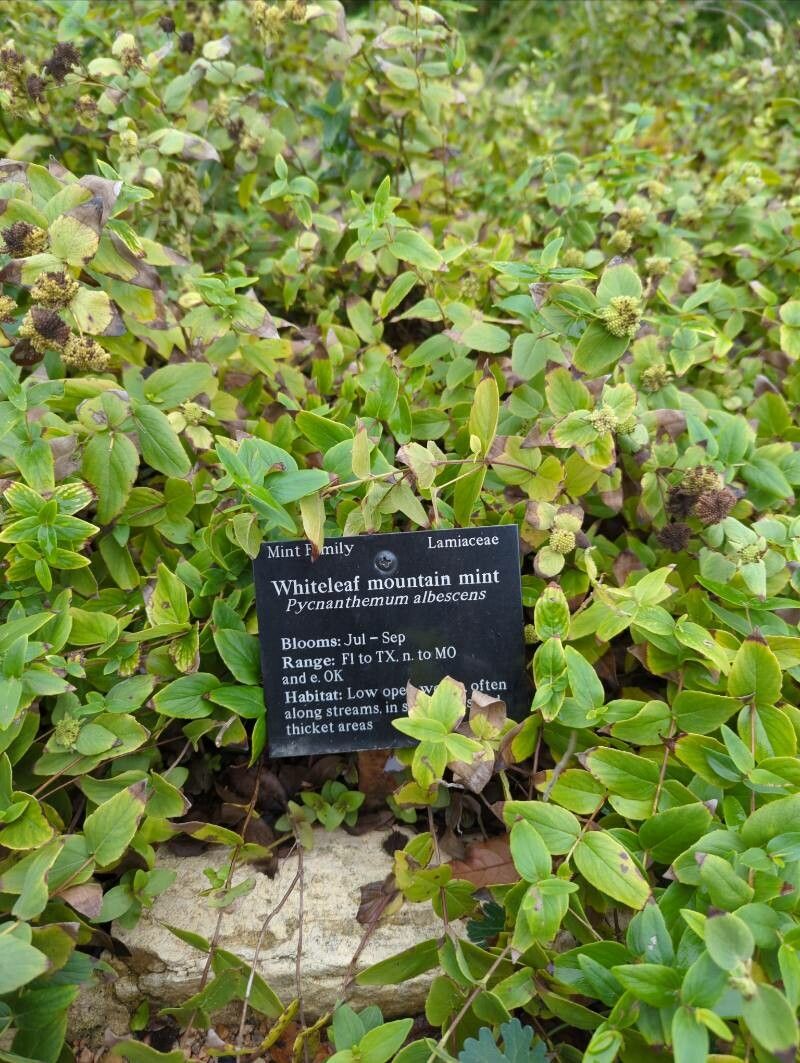
Propagating Pycnanthemum albescens: A Gardener’s Guide to the Downy Mountain Mint
Pycnanthemum albescens, commonly known as downy mountain mint, is a charming herbaceous perennial prized for its delicate white flowers, aromatic foliage, and ability to attract pollinators. Its compact growth habit and drought tolerance make it a popular choice among gardeners seeking low-maintenance, ecologically beneficial additions to their landscapes. However, propagating this delightful plant can present some unique challenges. This article explores various propagation methods, examining their viability and offering practical advice for successful cultivation.
Seed Germination:
Currently, there are no known reliable methods for seed germination propagation of Pycnanthemum albescens. While seeds may be produced, their germination rate is notoriously low, and consistent success using seed propagation has not been documented. Further research into optimal germination conditions (including potential stratification requirements) is needed.
Cuttings:
Cuttings offer a more reliable method for propagating Pycnanthemum albescens.
Challenges: Rooting success can be variable. The plant’s somewhat woody stems may be less responsive to rooting hormones than softer-stemmed plants.
Practical Tips: Take semi-hardwood cuttings in late summer or early autumn. Use a sharp knife or shears to create cuttings 4-6 inches long, removing lower leaves to prevent rot. Dip the cut ends in rooting hormone and plant in a well-draining rooting mix (e.g., perlite and vermiculite). Maintain high humidity using a propagator or covering with a plastic bag. Rooting can take several weeks, even months.
Rewards: Cuttings provide a relatively quick and easy way to produce genetically identical copies of a desirable parent plant, preserving its specific traits.
Division:
Division is generally the most successful and widely recommended method for propagating Pycnanthemum albescens.
Challenges: Division is best done in spring or early fall when the plant is actively growing or entering dormancy. Care must be taken not to damage the root system, which can be quite fibrous. The divisions should be large enough to ensure they possess sufficient roots and foliage for establishment.
Practical Tips: Dig up the established plant carefully, separating it into several smaller clumps. Each division should ideally have multiple stems and a healthy root system. Replant the divisions immediately in well-draining soil, ensuring they are watered thoroughly.
Rewards: Division is a relatively simple and effective method for quickly increasing the number of plants. It also allows for rejuvenation of older plants, preventing overcrowding and maintaining vigor.
Tissue Culture:
Tissue culture propagation of Pycnanthemum albescens is not commonly practiced, and information on its viability is limited. This method would likely require specialized equipment and expertise.
Challenges: Establishing sterilization protocols and finding the optimal growth medium and hormone combinations would be critical.
Practical Tips: Although theoretically possible, there is limited public information available on successful tissue culturing of this species. This method requires significant laboratory investment and skill.
Rewards: Tissue culture offers the potential for mass propagation of a genetically identical plant material, but its implementation is complex.
Conclusion:
Propagating Pycnanthemum albescens presents varying degrees of challenge depending on the method employed. While seed germination proves unreliable, cuttings offer a feasible albeit somewhat inconsistent approach. Division, however, emerges as the most dependable and practical method for the average gardener. Tissue culture remains largely unexplored and likely requires specialized knowledge. The rewards of successfully cultivating this delightful plant—from its fragrant foliage to its contribution to pollinator habitat—make the effort worthwhile. Don’t be discouraged by initial setbacks. Experimentation and persistence, particularly with the division method, are key to successfully expanding your downy mountain mint collection and sharing its beauty with others.