
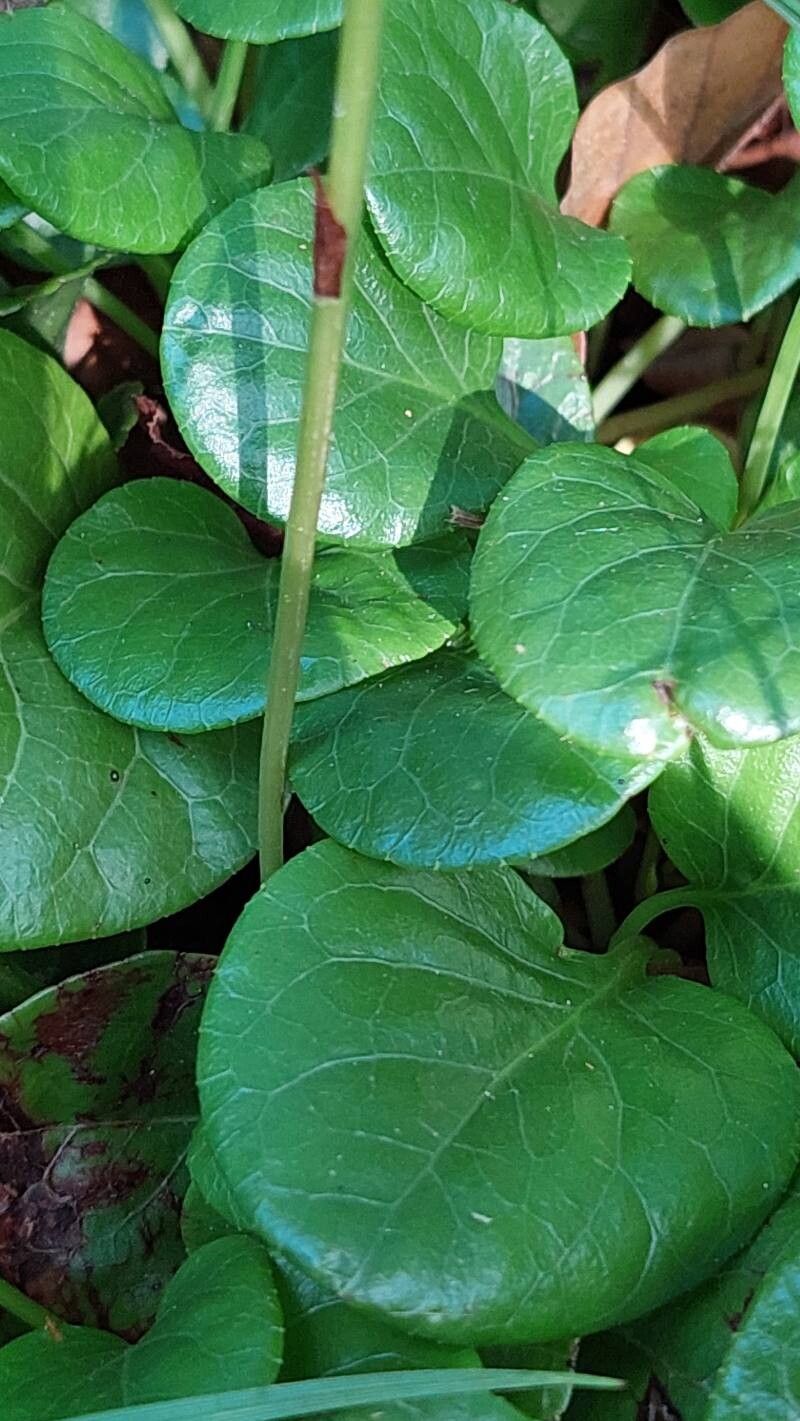
Unlocking the Secrets of Wintergreen Propagation: A Guide to Growing Pyrola rotundifolia
Pyrola rotundifolia, better known as round-leaved wintergreen or common wintergreen, is a charming woodland plant that captivates with its delicate white or pinkish flowers and glossy, evergreen leaves. While often found gracing shady forest floors, this enchanting wildflower can be a delightful addition to home gardens with the right care and propagation techniques.
Propagating Pyrola rotundifolia can be a rewarding, albeit patient, endeavor. Unlike many common garden plants that readily grow from seeds or cuttings, this species presents a unique challenge due to its slow growth and reliance on specific soil fungi (mycorrhizae) for nutrient uptake.
Two primary methods offer the best chance of success:
1. Seed Propagation:
This method, while potentially rewarding, requires patience and careful attention to detail.
- Seed Collection: Harvest mature seed capsules in late summer or early fall. Look for capsules that have turned brown and are beginning to split open.
- Stratification: Wintergreen seeds need a period of cold stratification to germinate successfully. Mix the seeds with a moist, sterile medium like vermiculite and store them in a refrigerator (around 4°C/40°F) for 2-3 months.
- Sowing: In spring, sow the stratified seeds on the surface of a well-draining, acidic potting mix. Ensure the seeds are only lightly pressed into the medium, as light is crucial for germination.
- Environment: Place the seed tray in a shaded location with good air circulation. Keep the soil consistently moist but not waterlogged.
- Germination: Be patient! Wintergreen seeds can take several weeks, even months, to germinate.
2. Rhizome Division:
For established plants, rhizome division offers a more reliable propagation method.
- Timing: Early spring, just as new growth emerges, is the optimal time for division.
- Careful Excavation: Gently unearth the plant, taking care to preserve the fragile rhizomes.
- Division: Using a sharp, sterile knife or shears, divide the rhizome into sections, ensuring that each section has at least one growth point.
- Replanting: Replant the divisions immediately in well-prepared soil that mimics their natural habitat: acidic, rich in organic matter, and well-draining.
- Watering: Water thoroughly after planting and ensure consistent moisture throughout the growing season.
Tips for Success:
- Mimic Nature: Replicate the plant’s natural growing conditions as closely as possible. Choose a shaded location, provide acidic soil (a pH of 5.0-6.5 is ideal), and maintain consistently moist but not soggy conditions.
- Patience is Key: Pyrola rotundifolia is a slow-growing species. Don’t be discouraged if you don’t see immediate results. Providing consistent care and optimal conditions will eventually reward you with new growth.
Propagating Pyrola rotundifolia might seem daunting, but with patience, dedication, and an understanding of its unique requirements, you can cultivate these enchanting wildflowers and enjoy their delicate beauty in your own garden sanctuary.