
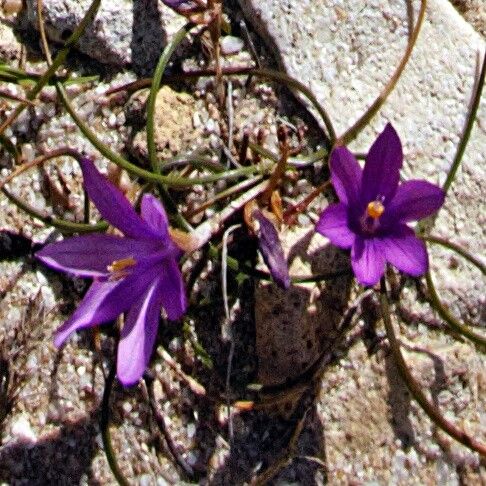
Unveiling the Secrets of Romulea requienii Propagation: A Guide to Growing This Mediterranean Gem
The Romulea requienii, with its delicate, crocus-like blooms in vibrant hues of violet and yellow, brings a touch of Mediterranean charm to any garden. Native to Corsica, Sardinia, and the Tuscan Archipelago, this captivating cormous perennial, sadly, remains a rare and sought-after gem for plant enthusiasts. But don’t let its seeming elusiveness deter you! With a little patience and the right knowledge, propagating Romulea requienii can be an enjoyable and rewarding experience.
Two Paths to Propagation:
There are two primary methods for propagating Romulea requienii:
1. Seed Propagation: Embracing the Journey of Patience
For those who find joy in nurturing a plant from its very beginnings, seed propagation offers a fulfilling, albeit slightly lengthier, path. Here’s how to embark on this botanical adventure:
- Seed Collection: As the blooms of your Romulea requienii begin to fade, keep a watchful eye out for the formation of small, seed-bearing capsules. Once these capsules turn brown and dry, carefully collect them, ensuring the seeds inside are mature.
- Sowing the Seeds: Sow the collected seeds in a well-draining seed-starting mix, lightly pressing them into the surface. Remember, Romulea requienii seeds thrive in warmth, so aim for a consistent temperature between 68-75°F (20-24°C).
- Patience is Key: Germination can be a leisurely process, often taking several weeks or even months. Be patient and continue to provide your seedlings with consistent moisture and bright, indirect light.
- Transplanting Time: Once your seedlings develop a few true leaves and are large enough to handle, they are ready to be transplanted into individual pots or directly into your garden, ideally in the fall.
2. Corm Division: A Shortcut to Floral Abundance
For a quicker and more immediate display of Romulea requienii’s captivating blooms, corm division is the preferred method. Follow these steps:
- Timing is Everything: The optimal time for corm division is during the plant’s dormant period, after the foliage has died back in late spring or early summer.
- Unearthing the Treasure: Carefully dig up the clump of corms, ensuring minimal damage to any roots.
- Separation with Care: Gently separate the individual corms, ensuring each corm has a healthy sprout or growing point.
- Replanting for Success: Replant the separated corms immediately at a depth of 2-3 inches and spaced about 4-6 inches apart.
Creating the Ideal Environment:
Regardless of your chosen propagation method, providing optimal growing conditions is essential for the successful establishment of your Romulea requienii:
- Sunlight: Aim for a location that receives ample sunlight, ideally 6-8 hours per day.
- Soil & Drainage: Well-draining soil is crucial to prevent corm rot. Amend heavy soils with sand or grit to improve drainage.
- Watering: Water regularly during the growing season, keeping the soil moist but not waterlogged. Reduce watering after flowering as the plants enter dormancy.
Propagating Romulea requienii might seem daunting, but with a little effort and understanding of its needs, you can successfully cultivate this captivating species and enjoy its vibrant blooms year after year. So go ahead, embrace the challenge, and welcome the Mediterranean charm of Romulea requienii into your garden sanctuary.