
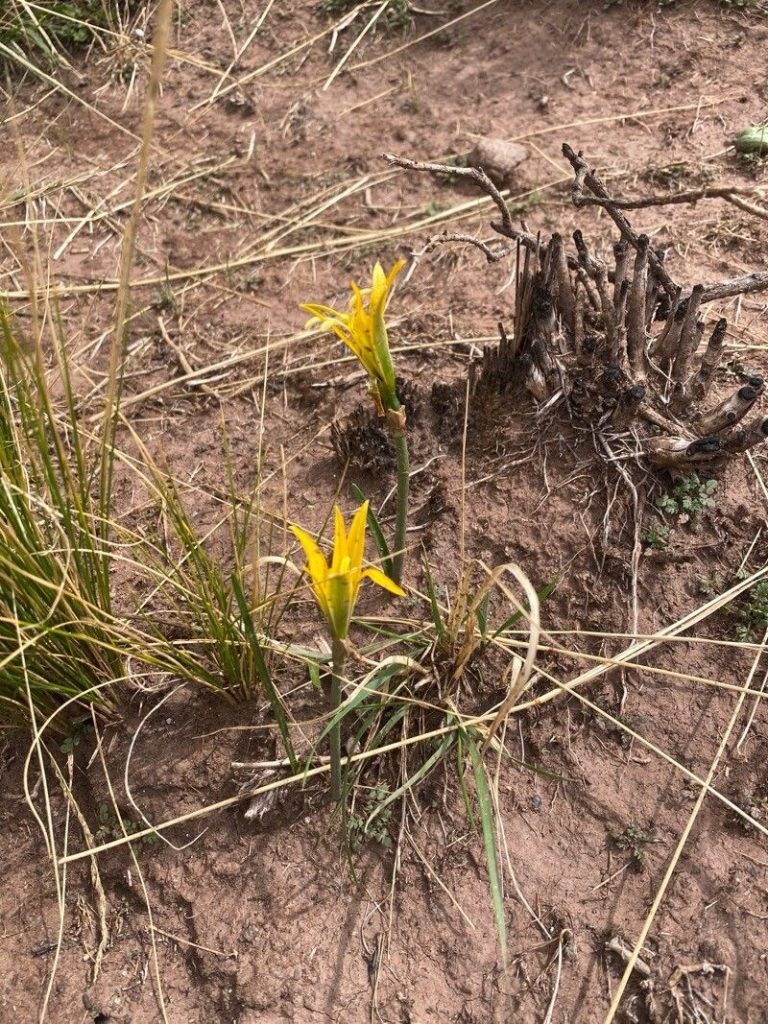
Propagating the Bolivian Fairy Lily: Unveiling the Secrets of Pyrolirion boliviense
Pyrolirion boliviense, commonly known as the Bolivian Fairy Lily, is a captivating bulbous plant prized for its elegant, star-shaped flowers in shades of vibrant pink, purple, or white. Its delicate beauty and relatively uncommon status amongst gardeners make its successful propagation a rewarding endeavor, though not without its challenges. This article explores various propagation methods for Pyrolirion boliviense, weighing their successes and difficulties.
Seed Germination:
Currently, there are no known reliable methods for seed germination propagation of Pyrolirion boliviense. While the plant does produce seeds, germination rates are reportedly extremely low, and successful cultivation from seed remains largely undocumented. Further research is needed to determine if specific pre-treatments, such as scarification or stratification, might improve germination success.
Cuttings:
Propagating Pyrolirion boliviense from cuttings presents significant challenges. The plant’s anatomy doesn’t lend itself readily to this approach. Stem cuttings are unlikely to root successfully, and leaf cuttings are even less promising. Therefore, this method is not recommended.
Division:
Division of the bulbs is the most reliable method for propagating Pyrolirion boliviense. This involves carefully separating the offsets (smaller bulbs) that form around the mother bulb during its growth cycle.
- Challenges: Separating the offsets without damaging the delicate root systems and the main bulb requires patience and a gentle hand. Improper separation can lead to rot or failure to establish.
- Practical Tips: Division is best undertaken during the plant’s dormant period. Use a sharp, clean knife or secateurs to carefully divide the clump, ensuring each offset has a portion of root attached. Allow the divided bulbs to callus over for a day or two before planting in well-draining, slightly acidic potting mix.
- Rewards: Division offers a relatively quick way to increase the number of plants, maintaining the genetic characteristics of the mother plant. It is ideal for smaller-scale propagation.
Tissue Culture:
Tissue culture offers the potential to overcome the limitations of other propagation methods, allowing for large-scale propagation and the potential to generate disease-free plants. However, establishing suitable protocols for Pyrolirion boliviense tissue culture would require considerable research and specialized laboratory facilities, including expertise in plant micropropagation. Specific media components, hormonal balances, and sterilization techniques would all need to be optimized.
- Challenges: Establishing a reliable tissue culture protocol is complex, time-consuming, and requires specialized equipment and expertise. The cost is a significant barrier for most home gardeners.
- Practical Tips: This method is best left to research institutions or specialized nurseries with experience in plant tissue culture.
- Rewards: The potential for mass propagation of genetically identical plants allows for wider distribution and the conservation of rare or desirable cultivars.
Conclusion:
Propagating Pyrolirion boliviense presents a unique set of challenges. While seed germination appears currently unfeasible, and cuttings are not recommended, division offers a practical and relatively straightforward approach for those with patience and a gentle hand. Tissue culture remains a promising avenue for large-scale propagation but requires substantial resources and expertise. The rewards of successfully cultivating this unusual and captivating plant are significant, however, making the effort undertaken in propagation a deeply satisfying experience that underlines the unique connection between gardener and plant. For the aspiring propagator, starting with bulb division is the most realistic and accessible starting point, laying the groundwork for further explorations into this fascinating species.