
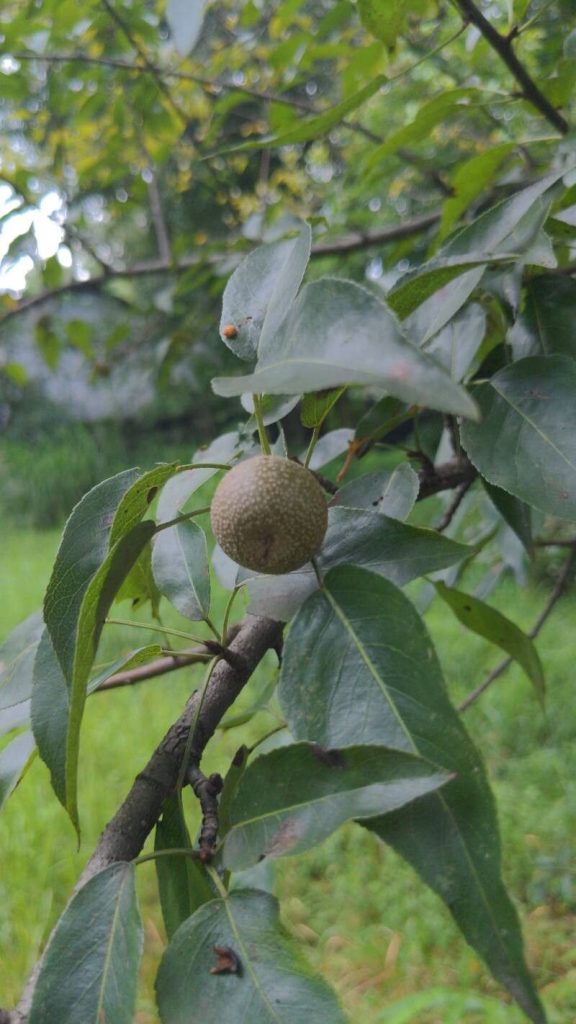
Propagating Pyrus pashia: Unveiling the Secrets of the Wild Pear
Pyrus pashia, commonly known as the Indian Wild Pear or Pashan, is a deciduous tree native to the Himalayas, prized for its edible fruits and attractive ornamental qualities. Its robust nature and tolerance of harsh conditions make it a fascinating subject for horticulturalists, though its propagation presents unique challenges. While relatively less popular than some cultivated pear varieties, its inherent hardiness and potential for genetic diversity make it a rewarding plant for the dedicated gardener.
Seed Germination:
Currently, there are no known reliable methods for seed germination propagation of Pyrus pashia. While seeds are produced, their dormancy and low germination rates make consistent success exceptionally challenging. Further research into specific stratification techniques and pre-treatment methods might be required to improve germination potential.
Cuttings:
Propagation via cuttings offers a more promising approach than seed germination. However, success is not guaranteed and requires meticulous attention to detail.
Challenges: Hardwood cuttings are generally preferred for Pyrus species, taken from mature, dormant wood in late autumn or winter. The low success rate stems from difficulties in rooting, often due to the slow formation of callus tissue and susceptibility to fungal diseases.
Practical Tips: Use semi-hardwood cuttings taken in early summer. Treat cuttings with a rooting hormone before planting them in a well-draining, sterile mix of perlite and peat moss, maintaining high humidity using a propagator or humidity dome. Provide bottom heat if possible to expedite root development.
Rewards: Successful rooting from cuttings allows for the clonal propagation of desirable traits present in the parent plant, ensuring uniformity in offspring. This is particularly beneficial if you have a tree with exceptional fruit quality or disease resistance.
Division:
Division is not a feasible method for propagating Pyrus pashia. This species develops a substantial taproot system, making division impractical and likely resulting in plant death.
Tissue Culture:
Tissue culture offers a potentially reliable method for mass propagation of Pyrus pashia, bypassing the limitations of seed germination and cuttings.
Challenges: Establishing sterile conditions and maintaining a precisely controlled environment are crucial for successful tissue culture. Efficient protocols specific to Pyrus pashia need to be developed, demanding specialized expertise and equipment.
Practical Tips: Consult with tissue culture laboratories experienced in propagating fruit trees. The process requires meticulous aseptic techniques, the use of specific growth media and hormones, and close monitoring of growth conditions.
Rewards: Tissue culture allows for the rapid and large-scale production of genetically identical plants, ideal for commercial orchards or research purposes. Disease-free plants can be produced, leading to healthier and more productive trees.
Conclusion:
Propagating Pyrus pashia presents significant challenges, regardless of the chosen method. While seed germination is currently unreliable, cuttings offer a more achievable, though still challenging, path to success, requiring patience and precise technique. Tissue culture holds the most promise for large-scale propagation but demands specialized expertise and resources. The rewards, however, are significant: the successful cultivation of this resilient and rewarding tree brings a profound sense of accomplishment. The fruits of your labor, whether a single thriving sapling from a cutting or a whole orchard from tissue culture, stand as a testament to your dedication and understanding of this fascinating species. So, embrace the challenges, learn from every attempt, and enjoy the journey of bringing the Indian Wild Pear to your garden.