
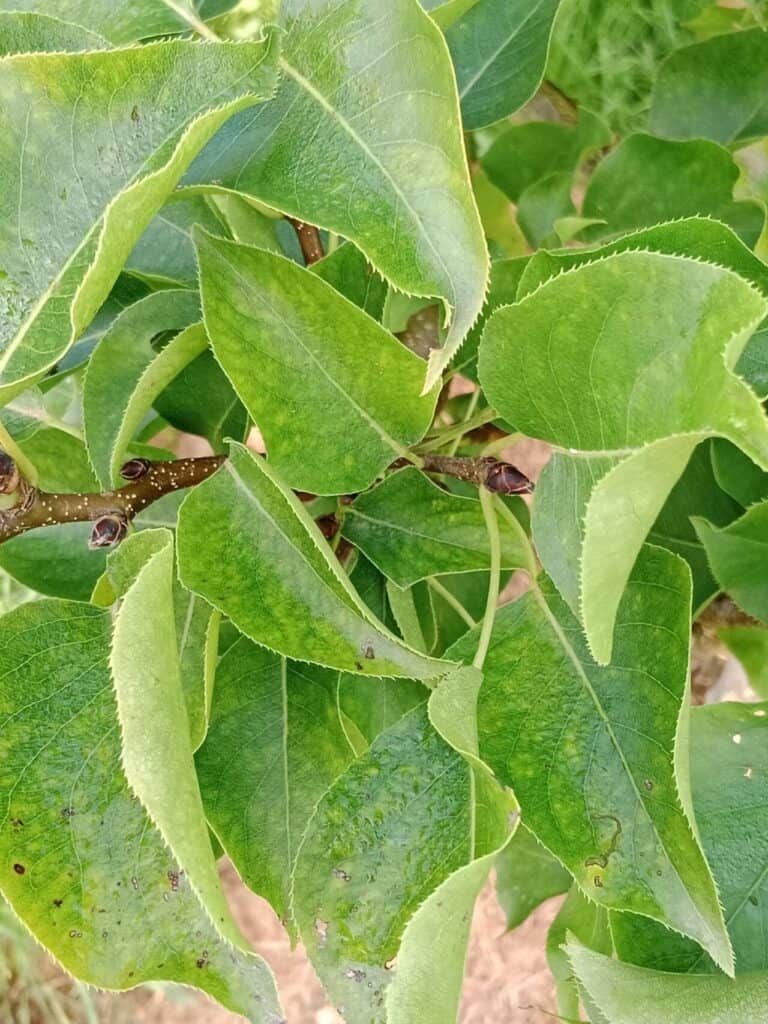
Beyond the Bite: Propagating Your Own Delicious Asian Pears (Pyrus pyrifolia)
The Asian pear, also known as the apple pear or Pyrus pyrifolia, offers a unique, crisp texture and sweet, juicy flavor that sets it apart from its European cousin. But did you know that you can cultivate these delectable fruits right in your backyard? While enjoying a perfectly ripe Asian pear is a treat in itself, the satisfaction of harvesting it from your own tree is unmatched.
Propagating Asian pears might seem daunting, but with a little patience and the right techniques, even novice gardeners can successfully grow these beautiful trees. Let’s explore the two most common methods:
1. Growing from Seed:
While possible, growing Asian pears from seed comes with a significant caveat: the resulting tree may not bear fruit identical to the parent plant. This is because Asian pears are heterozygous, meaning their offspring inherit a mix of genes that can lead to varied fruit characteristics.
However, if you’re up for a horticultural adventure and don’t mind potential surprises, seed propagation can be a fun and rewarding experience:
- Seed Extraction: Collect seeds from ripe Asian pears, making sure to clean off any remaining fruit flesh.
- Stratification (Cold Treatment): Asian pear seeds require a period of cold stratification to mimic natural winter conditions and break dormancy. Place the seeds in a moist paper towel within a sealed plastic bag, and store them in the refrigerator (around 4°C or 40°F) for 60-90 days.
- Sowing: After stratification, sow the seeds in a well-draining potting mix, about 1 inch deep.
- Patience is Key: Germination can take several weeks. Ensure consistent moisture and provide adequate sunlight once the seedlings emerge.
2. Grafting: A Surefire Path to Desired Fruit
Grafting offers a more reliable method to propagate Asian pears with predictable results. It involves joining a cutting (scion) from a desired cultivar onto a compatible rootstock, which is typically selected for its disease resistance and adaptability:
- Choosing Rootstock: Quince rootstocks are commonly used for Asian pears as they promote dwarfing, leading to smaller, more manageable trees that bear fruit earlier.
- Grafting Techniques: Several grafting methods exist, with whip and tongue grafting and bark grafting being popular choices for Asian pears. Research and choose a method you are comfortable with.
- Timing is Everything: Grafting is typically performed during the dormant season when the sap flow is minimal, usually in late winter or early spring.
- Post-Grafting Care: Wrap the graft union securely with grafting tape and provide adequate moisture and protection from extreme temperatures.
Factors for Success:
No matter your chosen propagation method, several factors are critical for success:
- Well-draining Soil: Asian pears thrive in loose, fertile soil with good drainage.
- Sunlight Requirements: Choose a location with at least 6 hours of direct sunlight per day.
- Watering: Provide deep, consistent watering, especially during dry periods.
- Pruning and Training: Regularly prune the trees to maintain shape, improve air circulation, and encourage fruit production.
Propagating your own Asian pears is a rewarding endeavor that connects you directly to the source of your food. While it demands patience and care, the sight of your Pyrus pyrifolia flourishing and eventually bearing its delightful fruit will undoubtedly make the journey worthwhile.