
Unlocking the Secrets of Quaqua Mammillaris Propagation: A Step-by-Step Guide
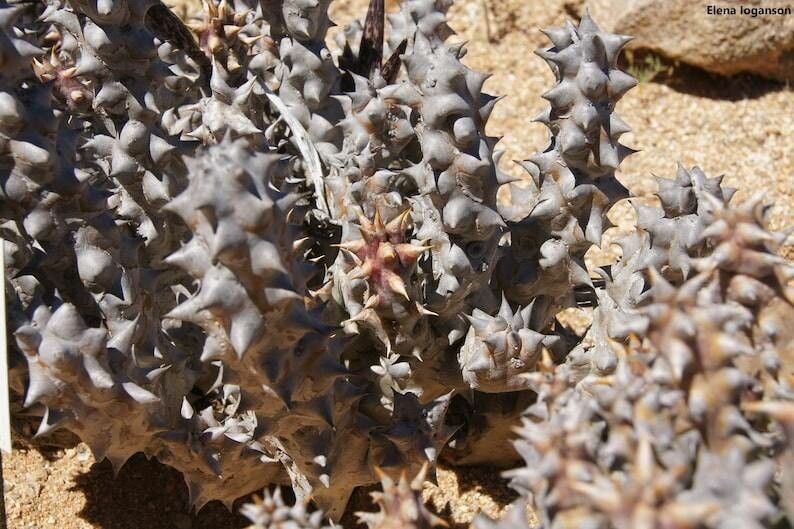
The Quaqua mammillaris, with its intriguing name and even more captivating appearance, is a unique succulent that can add a touch of the exotic to any plant collection. Native to South Africa, this intriguing plant boasts a spiky, columnar form that resembles a miniature, otherworldly cactus.
While admiring their unique aesthetics is a joy in itself, learning to propagate your Quaqua mammillaris can elevate your plant parenting experience to a new level. Successfully multiplying your collection offers a sense of accomplishment and allows you to share these fascinating plants with friends and fellow enthusiasts.
Two Paths to Propagation: Seeds vs. Offsets
Quaqua mammillaris can be propagated through two primary methods:
1. Seed Propagation: A Test of Patience
- The Process: Quaqua mammillaris produces seed pods that, when dried, reveal tiny, dust-like seeds. Sowing these requires a well-draining soil mix, bright indirect light, and consistent moisture.
- Pros: Seed propagation is a cost-effective way to obtain a large number of plants.
- Cons: Germination can be slow and unpredictable, taking weeks or even months. Seedlings are delicate and require meticulous care.
2. Offset Propagation: The Faster Route
- The Process: Quaqua mammillaris often produces offsets, which are essentially miniature versions of the parent plant, at its base. These can be carefully detached and potted individually.
- Pros: Offsets offer a faster and more reliable propagation method. The young plants are already somewhat established, increasing their chances of survival.
- Cons: Finding a Quaqua mammillaris with viable offsets might take time, and you’ll end up with fewer plants compared to seed propagation.
Step-by-Step Guide to Propagating Offsets
Since offset propagation is the preferred method for its higher success rate, let’s delve into the process:
1. Identify a Suitable Offset: Look for plump, healthy offsets that are at least an inch tall. These are more likely to thrive independently.
2. Detach the Offset: Using a clean, sharp knife or pruning shears, carefully separate the offset from the mother plant. Ensure you collect the offset with some roots attached for the best results.
3. Let the Wound Dry: Allow the cut surface of both the offset and the parent plant to dry and callus over for a couple of days. This helps prevent fungal infections.
4. Prepare the Potting Mix: Use a well-draining soil mix specifically formulated for succulents or cacti.
5. Plant the Offset: Place the offset gently into the soil, burying the base just enough to keep it upright.
6. Water Sparingly: Water only when the soil is completely dry to the touch. Overwatering is the most common cause of failure when propagating succulents.
7. Provide Bright, Indirect Light: Place the pot in a location with plenty of bright, indirect light.
8. Be Patient: It might take several weeks for the offset to root firmly and show signs of new growth.
Propagating Success: Tips and Tricks
- Timing is Key: Spring and early summer are ideal times for propagating Quaqua mammillaris, as the plant is actively growing.
- Sterilize Tools: Always use clean, sterilized tools to minimize the risk of introducing diseases.
- Avoid Overcrowding: Don’t overcrowd your potted offsets. Give them space to grow.
With patience and the right approach, you can successfully propagate your Quaqua mammillaris and enjoy the satisfaction of expanding your succulent collection while witnessing the miracle of plant life firsthand.