
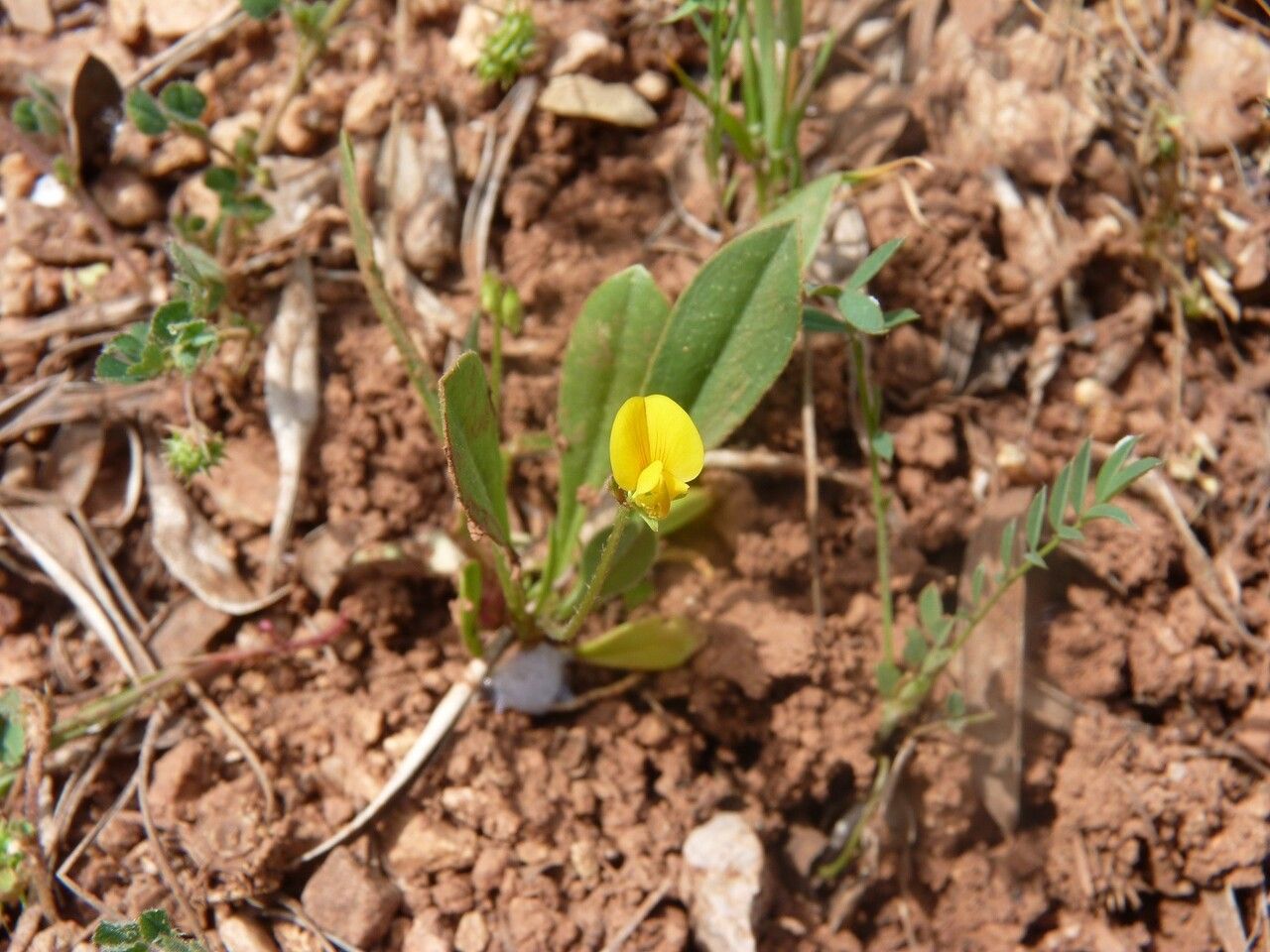
Taming the Caterpillar Plant: A Guide to Propagating Scorpiurus Vermiculatus
The plant world never fails to offer up intriguing specimens, and the Scorpiurus vermiculatus, aptly nicknamed the “Caterpillar Plant,” is no exception. This unique annual, native to the Mediterranean region, grabs attention with its curious seed pods that undeniably resemble plump, green caterpillars. But beyond its whimsical appearance lies a surprisingly easy-to-grow plant, perfect for beginner and experienced gardeners alike. Ready to invite some playful botanical intrigue into your garden? Let’s dive into the world of propagating Scorpiurus vermiculatus.
The Beauty of Seeds: The Simplest Route to Propagation
The easiest and most successful way to propagate Scorpiurus vermiculatus is through its seeds – or rather, its “caterpillars.” Here’s a step-by-step guide:
Harvesting the “Caterpillars”: As your Scorpiurus vermiculatus plant matures, you’ll notice the unique curled seed pods developing. Allow these pods to fully mature and dry on the plant. They’ll turn brown and harden, indicating they’re ready for harvesting.
Seed Extraction (Optional): You can choose to plant the entire dried seed pod or carefully extract the seeds. If extracting, gently crush the pods to release the seeds within.
Sowing Time: Scorpiurus vermiculatus prefers a sunny location and well-drained soil. You can sow seeds directly outdoors after the last frost, or start them indoors 4-6 weeks prior to your last frost date.
Sowing Depth: Plant the seeds (or pods) about ½ to 1 inch deep in the soil, ensuring good seed-to-soil contact.
- Watering: Keep the soil consistently moist but not waterlogged until germination occurs, which usually takes 1-3 weeks.
Beyond Seeds: Exploring Other Propagation Options
While seed propagation reigns supreme for Scorpiurus vermiculatus, you can experiment with other methods, though they might be less reliable:
Cuttings: While not as common, taking cuttings from young, healthy stems can be attempted. Use a sharp, clean knife or shears and dip the cut end in rooting hormone to encourage root development. Plant the cutting in a well-draining potting mix and keep it consistently moist.
- Divisions: If you have an established plant, you can try carefully dividing it in early spring. Dig up the plant and gently separate it into smaller sections, ensuring each section has a good root system. Replant the divisions immediately and water them thoroughly.
Tips for Success:
Well-Drained Soil: Scorpiurus vermiculatus is susceptible to root rot in overly wet conditions. Ensure good drainage by amending your soil with perlite or sand if needed.
Full Sun: This plant thrives in sunny locations. Aim for at least 6 hours of direct sunlight daily.
Minimal Fertilization: Scorpiurus vermiculatus is not a heavy feeder. Amending the soil with compost before planting should provide sufficient nutrients.
- Pest and Disease Resistance: This plant is relatively pest and disease-free. However, keep an eye out for common garden pests like aphids and slugs and address them as needed.
The Joys of Growing Scorpiurus vermiculatus:
Beyond its unique appearance, Scorpiurus vermiculatus offers several benefits for gardeners:
Pollinator Attraction: Its small yellow flowers attract beneficial pollinators to your garden.
Edible Pods: Both the leaves and the “caterpillar” seed pods are edible, boasting a slightly sweet, pea-like flavor. Add them to salads or use them as a garnish for a unique culinary touch.
- Conversation Starter: This unusual plant is sure to spark conversations and intrigue visitors to your garden.
By successfully propagating Scorpiurus vermiculatus, you can enjoy the rewards of this unusual and low-maintenance plant. So, why not add a touch of whimsy and wonder to your garden with the captivating “Caterpillar Plant”?