
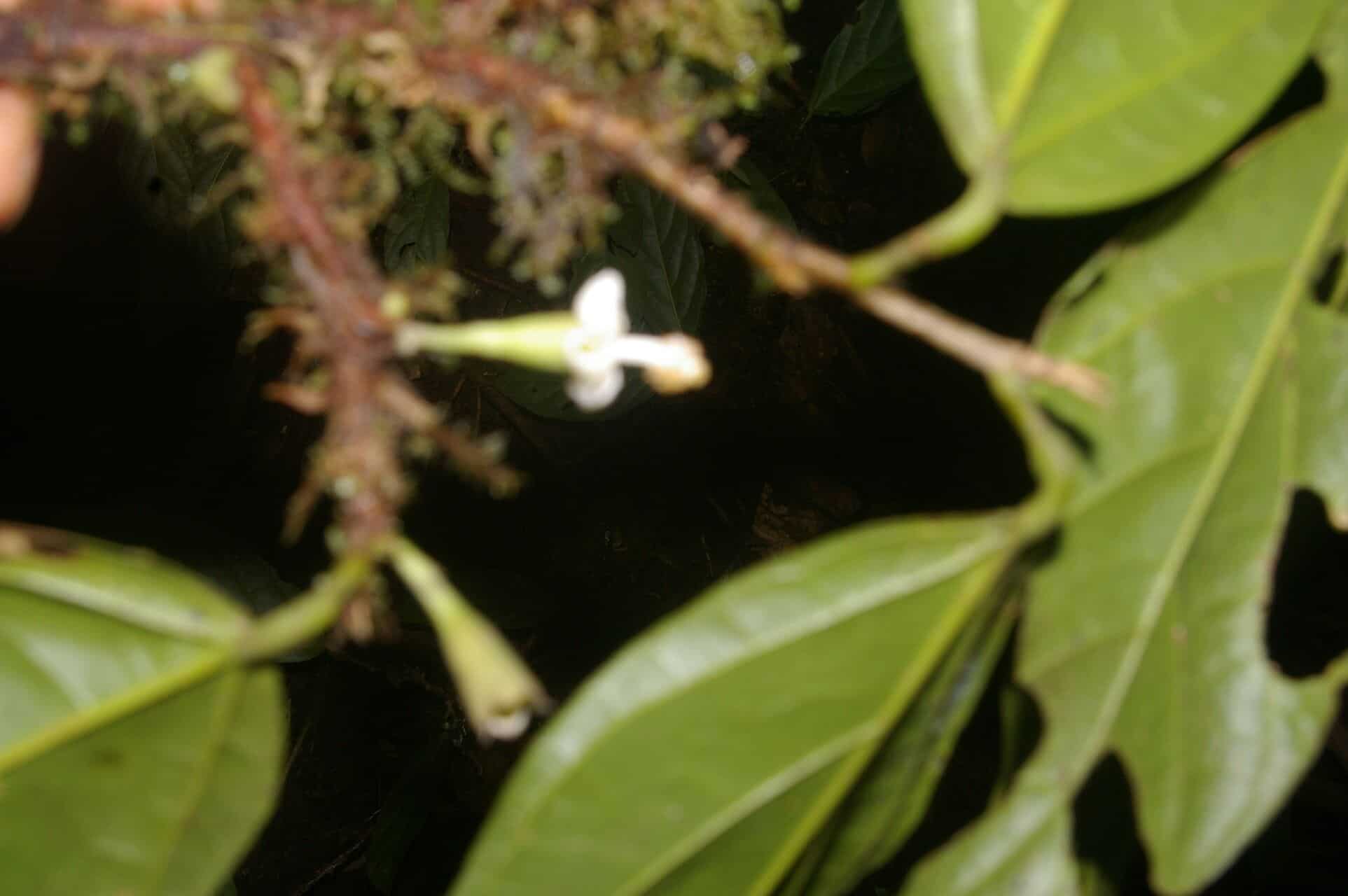
Unlocking the Secrets of the Chupa Chupa Tree: A Guide to Propagating Quararibea nigrescens
The Chupa Chupa tree, known scientifically as Quararibea nigrescens, is a fascinating tropical tree native to Central and South America. It’s celebrated not just for its unusual name (evoking images of beloved lollipops!), but also for its delicious fruit, reminiscent of cotton candy, and its stunning, fragrant flowers. While relatively unknown in home gardens, the Chupa Chupa tree can be a rewarding addition for adventurous growers.
Growing this tropical delight, however, does come with its own set of challenges. Quararibea nigrescens is notoriously tricky to propagate, often calling for patience and a touch of green-thumbed magic. But fear not! This guide will delve into the two most common methods of propagation, empowering you to grow your very own Chupa Chupa tree.
Method 1: Seed Propagation – Embracing the Challenge
While potentially the most rewarding, propagating Quararibea nigrescens by seed is no easy feat. The seeds are known for their erratic germination rates, often taking months to sprout, if at all. However, don’t let this deter you! Here’s how to give your Chupa Chupa seeds their best chance:
- Source Fresh Seeds: Your best bet is to acquire freshly harvested seeds from ripe fruit, as older seeds significantly decrease your chances of success.
- Prepare the Seeds: Gently scarify the seeds by nicking or lightly sanding their outer coating. This helps water penetration, encouraging germination.
- Sow with Care: Plant the seeds in a well-draining seed-starting mix, burying them about half an inch deep.
- Provide Warmth and Humidity: The ideal germination temperature falls between 75-85°F (24-29°C). A seedling heat mat and humidity dome can be beneficial in creating the perfect microclimate.
- Patience is Key: Germination can take anywhere from a few weeks to several months. Don’t lose hope! Keep the soil consistently moist but not waterlogged.
Method 2: Air Layering – A More Reliable Approach
For a higher success rate, air layering is the preferred method for propagating Quararibea nigrescens. Air layering involves encouraging root formation on a branch still attached to the parent tree. Here’s how it’s done:
- Select a Healthy Branch: Choose a mature but still pliable branch, about the thickness of a pencil or slightly larger.
- Prepare the Branch: Carefully make a 1-2 inch upward angled cut about 12-18 inches from the branch tip, cutting only partially through. Dust the wound with rooting hormone for a boost.
- Create a Rooting Medium: Wrap the wounded area with moist sphagnum moss or a similar rooting medium, ensuring good contact. Secure it firmly with plastic wrap or aluminum foil, creating a sealed environment.
- Monitor and Maintain: Keep the moss consistently moist and check for root development periodically.
- Separate the Layer: Once a healthy root system is visible through the plastic, carefully cut the branch below the newly formed roots and pot it in a well-draining potting mix.
Nurturing Your Chupa Chupa Tree
Whether you choose the rewarding challenge of seed propagation or the more dependable air layering method, providing optimal growing conditions is crucial for your young Chupa Chupa tree. They thrive in warm, humid environments with well-draining soil. Ensure ample sunlight, but protect them from harsh, direct midday sun.
With patience, care, and a touch of luck, you can unlock the secrets of the Chupa Chupa tree and enjoy its unique fruit, fragrant blossoms, and captivating presence in your own tropical paradise.