
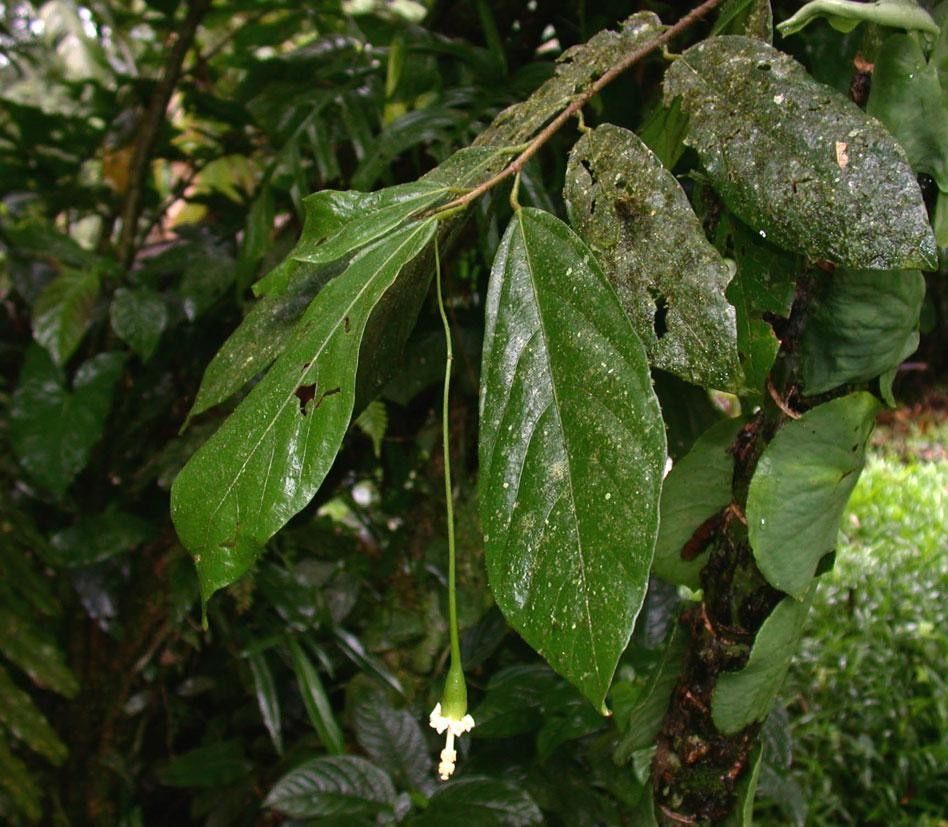
Unlocking the Secrets of the South American Sapote: A Guide to Propagating Quararibea pendula
The Quararibea pendula, also known as the South American Sapote or Chupa-Chupa, is a captivating tropical fruit tree native to the rainforests of South America. While lesser-known than its close relative, the Mamey Sapote, this majestic tree bears equally delectable, creamy fruits with a flavor reminiscent of pumpkin pie – a true hidden gem for adventurous gardeners and food enthusiasts.
But how do you go about introducing this exotic beauty to your own garden? Let’s delve into the fascinating, yet often challenging, world of Quararibea pendula propagation.
Seed Propagation: A Test of Patience
The most common method, and often the only readily available option, is starting Quararibea pendula from seed. Here’s what you need to know:
- Source Fresh Seeds: Viability is key. Seek out fresh seeds directly from ripe fruits whenever possible, as they have the highest germination rates.
- Overcome Dormancy: Quararibea pendula seeds possess a natural dormancy mechanism that protects them in the wild, but can be a hurdle for eager gardeners. Soaking the seeds in warm water for 24-48 hours can help break this dormancy and encourage sprouting.
- Provide a Suitable Environment: Plant the seeds in a well-draining seed starting mix, burying them about an inch deep. Maintain constant moisture and warmth (around 75-85°F), and be patient – germination can take anywhere from a few weeks to several months.
Beyond Seeds: Exploring Alternative Methods
While seed propagation remains the most accessible technique, there are alternative methods worth exploring, especially for experienced gardeners:
- Air Layering: This technique encourages root formation on a branch while it is still attached to the parent tree. It involves wounding the branch and enclosing it in a moist rooting medium until roots develop, after which the branch is severed and planted. Air layering requires skill and patience but can yield quicker results compared to seeds.
- Grafting: Experienced grafters can explore grafting Quararibea pendula onto compatible rootstocks, potentially improving disease resistance or accelerating fruiting. However, finding compatible rootstock can be a challenge, and grafting requires specific knowledge and tools.
Nurturing Your Quararibea Pendula Saplings
Once your new saplings emerge, whether from seed or other methods, providing the right care is crucial for their survival and future success:
- Light: Quararibea pendula thrives in bright, indirect sunlight. Young plants should be gradually acclimated to stronger sunlight to prevent scorching.
- Water: Maintain consistently moist soil, but avoid overwatering. Allow the top inch of soil to dry out between waterings.
- Humidity: As a rainforest denizen, this tree appreciates high humidity. Regular misting or placing the pot on a pebble tray filled with water can help.
- Fertilizer: Feed your sapling with a balanced, diluted fertilizer every few weeks during the growing season.
The Rewarding Journey of Cultivation
While propagating Quararibea pendula presents its own set of challenges, the reward of nurturing this rare and magnificent tree from seed to fruit is truly satisfying. With patience, dedication, and a touch of green-thumb magic, you can unlock the secrets of this tropical treasure and savor the unique, creamy goodness of its fruit for years to come.