
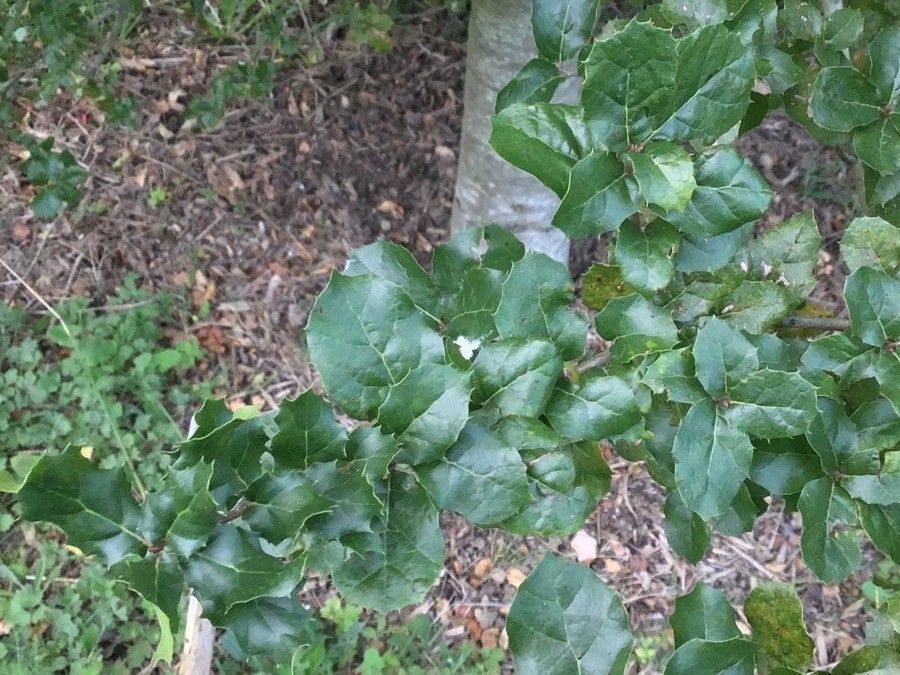
Acorns to Oaks: How to Grow Your Own Coast Live Oak (Quercus agrifolia)
The majestic Coast Live Oak (Quercus agrifolia), a California native, is an iconic tree known for its sprawling branches and evergreen foliage. Its ability to thrive in diverse environments and provide crucial habitat for wildlife makes it a true treasure. Have you ever dreamed of nurturing one of these magnificent trees from acorn to oak? It’s a rewarding experience, and with a little patience and the right approach, you can cultivate your very own piece of California’s natural heritage.
Propagation from Acorns: The Natural Way
The most common and rewarding way to propagate Coast Live Oaks is by planting acorns. Here’s a step-by-step guide:
-
Acorn Collection (Fall): The ideal time to collect acorns is during the fall when they naturally fall from the tree. Look for fresh, plump acorns that are free from damage, holes, or discoloration.
-
Float Test: Not all acorns are viable. Fill a bowl with water and drop in your collected acorns. Discard any that float, as they are likely not fertile.
-
Stratification (Optional but Recommended): This process mimics the natural winter chill that acorns experience. Place the viable acorns in a sealed plastic bag with a damp (not soaking wet) paper towel. Store them in your refrigerator (around 40°F) for 4-6 weeks.
-
Planting Time (Late Fall/Early Winter): Plant the acorns in individual pots (6-8 inches deep) filled with a well-draining potting mix. Plant the acorns about an inch deep with the pointed end facing down.
-
Location and Care: Place the pots outdoors in a sheltered location that receives partial to full sun. Water regularly, keeping the soil consistently moist but not waterlogged.
-
Germination and Growth (Spring): Be patient! Acorns can take several weeks or even months to germinate. Once sprouted, continue to water regularly. As the seedling grows, gradually introduce it to more sunlight.
- Transplanting (1-2 Years): When your young oak has reached about a foot tall and outgrown its pot, it’s time to transplant it to its permanent location. Choose a well-drained spot that receives ample sunlight. Dig a hole twice as wide as the root ball and gently place the oak, ensuring the top of the root ball is level with the ground. Water deeply and provide support with a stake if necessary.
Other Propagation Methods:
While acorn propagation is the most common method, Coast Live Oaks can also be propagated through cuttings. This method, however, is less reliable and generally requires more expertise:
- Cuttings: Take hardwood cuttings from healthy branches in late fall or winter. Treat the base of the cuttings with rooting hormone and plant them in a well-draining rooting mix. Provide bottom heat and keep the environment humid.
Enjoy the Journey
Growing a Coast Live Oak is a long-term commitment—these trees can live for centuries! But watching your tree flourish, knowing you played a part in its growth, is an incredibly rewarding experience. By understanding the simple steps of propagation, you can cultivate a piece of California’s natural beauty for generations to come.