
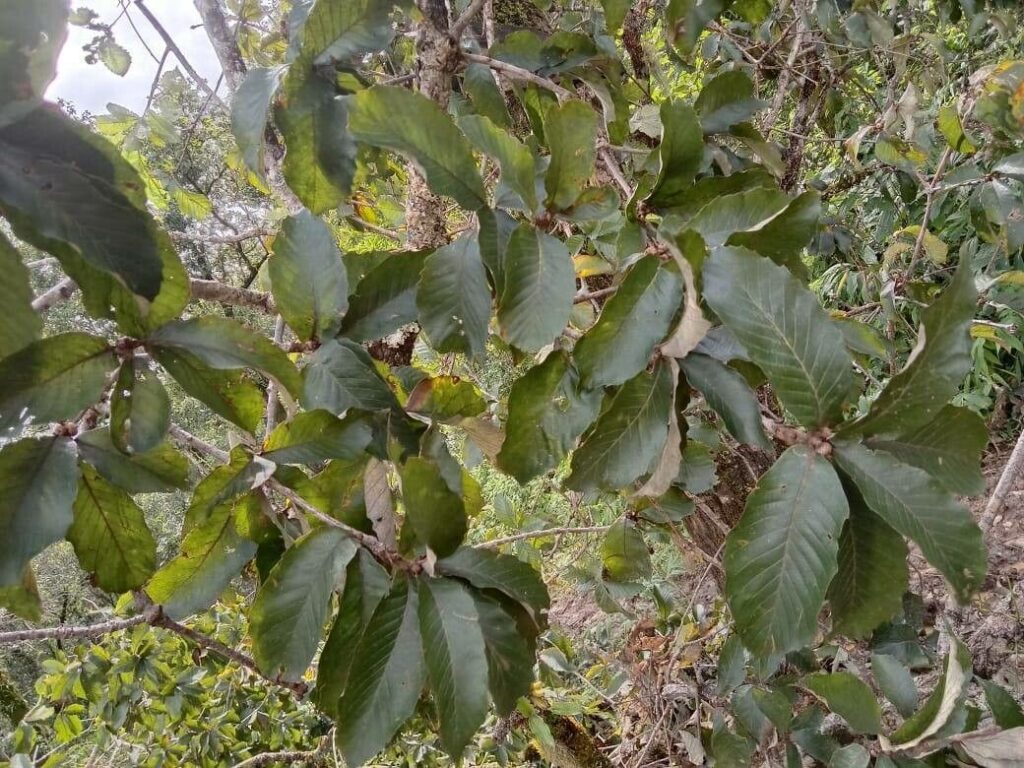
Growing Your Own Persian Oak: The Art of Propagating Quercus brantii
The Persian oak (Quercus brantii) is a stunning tree known for its drought tolerance, beautiful foliage, and captivatingly gnarled branches. It’s no wonder these majestic trees are increasingly sought after by home gardeners. But how do you get your hands on one? While you can purchase saplings, the real thrill lies in propagating your own.
This blog post will guide you through the fascinating process of propagating Persian oaks, covering everything from seed collection and preparation to understanding the best methods for ensuring success.
Seeds: The Beginning of a Journey
The journey starts with collecting acorns. The best time for this is in autumn when they mature and fall from the tree. Look for healthy, plump acorns with a shiny brown shell. When you collect them, be sure to inspect for any signs of damage or insect infestation.
Once collected, the acorns need a little preparation before planting. Stratification, the process of mimicking winter conditions, helps them germinate. You can achieve this by soaking the acorns in water for 24 hours, then storing them in a moist, cool environment like a refrigerator (around 4°C) for 1-3 months.
Methods for Propagation: Choose Your Path
There are two primary methods for propagating Persian oaks: seed sowing and cutting propagation.
Seed Sowing:
- Planting: Sow the stratified acorns in pots filled with well-draining soil, about an inch deep. Ensure the pot has drainage holes to prevent waterlogging.
- Location: Place the pots in a location with bright, indirect light.
- Patience: Germination can take several weeks to months, so be patient. Once the seedlings emerge, provide them with regular watering and fertilizing.
Cutting Propagation:
- Timing: The best time for cutting propagation is in spring or summer when the wood is semi-hardwood.
- Procedure: Take 6-8 inch cuttings from the current year’s growth. Make a clean cut at a 45-degree angle. Strip off the bottom leaves, leaving two or three at the top.
- Hormone: Dip the cut end in rooting hormone to encourage root development.
- Planting: Plant the cuttings in a mix of peat moss and perlite in a pot with drainage holes. The cuttings should be inserted into the soil up to the lowest leaf.
- Environment: Place the pot in a bright location but out of direct sunlight. Maintain humidity by covering the pot with a plastic dome or bag.
- Root Formation: Rooting can take several weeks or months, depending on the conditions.
Tips for Success
- Water consistently: Regularly water the seedlings or cuttings, but avoid overwatering. The soil should be consistently moist, not soggy.
- Fertilize regularly: Apply a balanced fertilizer solution to your seedlings or cuttings once a month to aid their growth.
- Provide adequate light: While Persian oaks tolerate some shade, they prefer full sun for optimal growth.
- Patience is key: Remember that propagation takes time. Don’t get discouraged if you don’t see immediate results. With consistent care, you can eventually enjoy the majesty of your own Persian oak tree.
Conclusion
Propagating Persian oaks from seed or cuttings is a rewarding and satisfying experience. It’s not only about creating a beautiful addition to your garden, but also about connecting with the natural world and fostering a sense of stewardship. By following these steps and nurturing your seedlings or cuttings with patience and care, you can ensure a future filled with the grandeur and elegance of the Persian oak.