
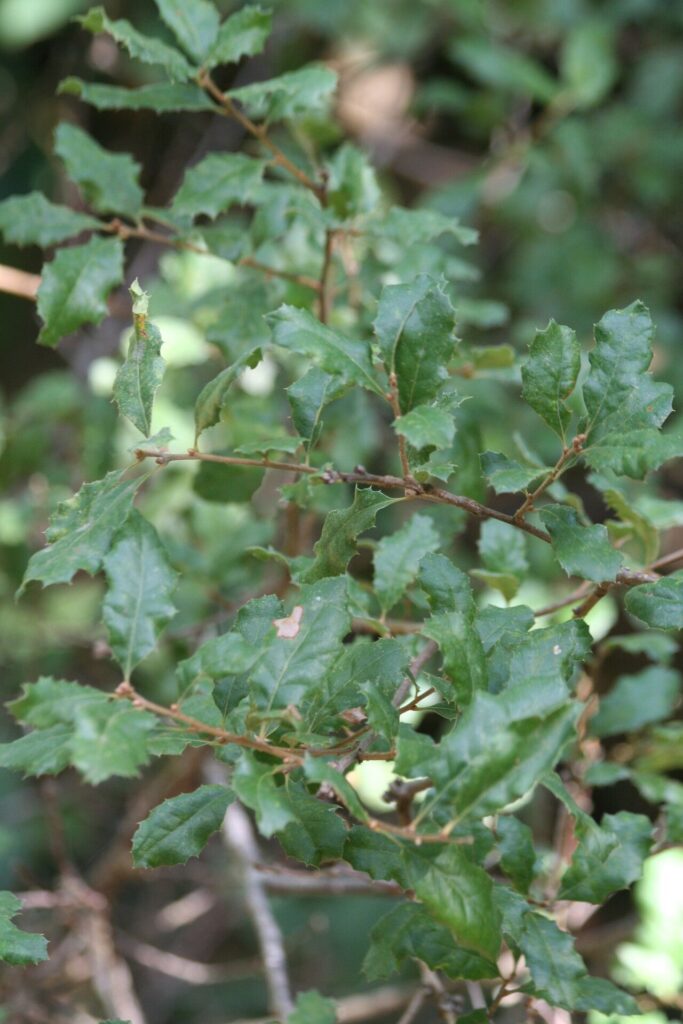
Acorns to Oaks: Propagating the Majestic Canyon Live Oak (Quercus cornelius-mulleri)
The Canyon Live Oak (Quercus cornelius-mulleri), a majestic symbol of California’s landscapes, conjures images of enduring strength and timeless beauty. These long-lived giants, with their gnarled branches and verdant canopies, offer shade and shelter to countless creatures. Have you ever considered welcoming one of these iconic trees into your own yard? Propagating your own Canyon Live Oak, though requiring patience, is a rewarding endeavor that connects you to the legacy of these magnificent trees.
While mature Canyon Live Oaks seem invincible, successfully starting one from scratch requires a bit of know-how. Here’s a breakdown of the most reliable propagation method:
Acorns: Nature’s Little Seed Capsules
The most common and effective method for propagating Canyon Live Oaks is through their acorns. These little powerhouses contain all the genetic material needed to grow a towering oak. Here’s what you need to do:
-
Acorn Collection: Fall is the time for acorn hunting! Look for healthy, plump acorns beneath mature Canyon Live Oaks, ideally free of cracks, holes, or discoloration. Don’t delay once collected, as acorns dry out quickly.
-
Float Test: Not all acorns are created equal. To ensure you’re planting viable ones, drop them in a bucket of water. Acorns that sink are the winners, ready for planting. Discard any floaters – they are unlikely to germinate.
-
Direct Sowing vs. Stratification: You can either plant your acorns directly into the ground in the fall or stratify them for spring planting.
-
Direct Sowing: Choose a well-drained spot in your yard that receives partial to full sun. Plant the acorns about 2-3 inches deep. Mother Nature will take care of the stratification process over the winter.
- Stratification (Cold Treatment): If you prefer spring planting, mimic winter conditions by placing the acorns in a moist medium like vermiculite or peat moss within a sealed plastic bag. Store them in the refrigerator (33-41°F) for 6-8 weeks. This process, known as stratification, helps break dormancy and encourages germination.
-
-
Planting Out: Once your acorns have undergone stratification or winter has passed, plant them in individual pots (6-8 inches in diameter) filled with well-draining potting mix. Ensure the pointy end of the acorn faces down.
- Patience is Key: Maintaining consistent moisture is vital, but avoid overwatering. Germination can take several weeks or even months. Don’t lose heart! When you see that first shoot emerge, you’ll know your patience has paid off.
Caring for Your Oak Sapling
Once your oak sapling has a few sets of true leaves, begin fertilizing with a balanced, slow-release fertilizer specifically formulated for oak trees. Ensure your young tree receives regular watering, especially during dry spells. As your oak grows, you can gradually introduce it to more sunlight.
A Legacy for Generations to Come
Propagating your own Canyon Live Oak is not just about growing a tree, it’s about participating in a timeless cycle of life and contributing to the health of our ecosystems. With the right care, your oak sapling will flourish, offering shade and beauty for generations to come.