
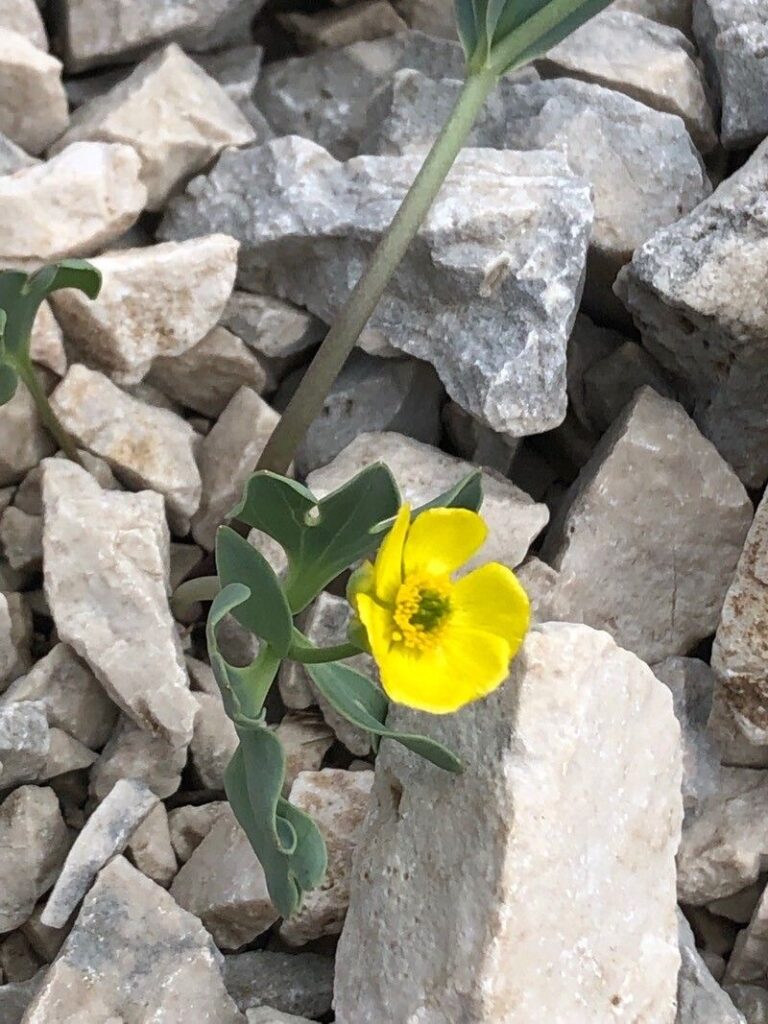
From Seed to Bloom: Propagating the Charming Ranunculus Brevifolius
The Ranunculus brevifolius, with its delicate, cup-shaped blossoms and graceful, airy foliage, is a true delight for any gardener. But the beauty of this charming wildflower extends beyond its appearance – it’s also surprisingly easy to propagate, allowing you to share this joy with others or simply expand your own little patch of heaven.
This blog post will guide you through the exciting journey of propagating Ranunculus brevifolius, introducing you to two main methods: seed propagation and division. Let’s delve into the secrets of bringing this captivating plant to life in your garden!
Starting From Seed: A Journey of Patience and Reward
Sowing Ranunculus brevifolius seeds is a rewarding experience, offering a sense of accomplishment as you witness life unfolding from such tiny beginnings. Here’s a step-by-step guide:
- Timing is Key: While these seeds can be sown directly in the garden in spring, starting them indoors in late winter offers a head start, allowing them to thrive in the warmer conditions.
- Prepare the Seedbed: Fill a seed tray with a well-draining seed-starting mix and moisten it thoroughly.
- Sow Seeds: Sprinkle the tiny seeds on the surface, ensuring they are evenly distributed. Gently press them into the soil to ensure good contact.
- Cover & Water: Cover the tray with clear plastic wrap or a dome to retain moisture and warmth. Mist the surface with water to maintain consistent humidity.
- Patience is a Virtue: Seed germination can take up to 4 weeks, depending on the temperature. Keep the tray in a bright, warm location and maintain consistent moisture levels.
- Thinning Time: Once seedlings have developed their first two true leaves, thin them, leaving the strongest plants spaced about 2 inches apart.
- Hardening Off: To prepare your seedlings for outdoor life, gradually acclimate them to the outdoors over a week or two, increasing their exposure to sunlight and wind each day.
- Transplant to the Garden: When the risk of frost has passed, transplant your robust seedlings into a sunny spot in your garden, ensuring the soil is well-drained.
Division: Quick and Easy Spread
For those seeking a faster and more immediate reward, dividing established Ranunculus brevifolius plants is a simple and effective method:
- The Right Time: The best time to divide Ranunculus brevifolius is either in early spring or late summer, ensuring ample time for the new divisions to establish themselves before winter.
- Unearthing the Plant: Gently dig up the plant, taking care not to damage the roots.
- The Division Process: Use a sharp knife or a gardening tool to carefully separate the plant into smaller divisions, each with healthy roots and at least a few shoots.
- Re-planting: Immediately plant the divisions in a well-prepared bed, ensuring good drainage and a sunny location. Water them thoroughly.
Tips for Success
- Soil Preference: Ranunculus brevifolius thrives in well-drained soil. Loosen the soil with compost or other organic amendments to improve drainage and fertility.
- Watering Wisely: Keep the soil consistently moist, especially during the initial establishment phases. Avoid overwatering, which
can lead to root rot. - Sun Exposure: Ensure your Ranunculus brevifolius plants receive at least 6 hours of sunlight each day for optimal growth and flowering.
- Pest and Disease Control: Monitor your plants for any signs of pests or diseases, and address them promptly.
Conclusion:
Propagating Ranunculus brevifolius is an enjoyable and readily achievable endeavor, rewarding you with a flourishing display of delicate blooms. Whether you choose the seed or division method, follow the tips above, and you’ll be well on your way to enjoying the delicate beauty of this charming wildflower in your garden. So, grab your gardening gloves, and let the journey of propagating Ranunculus begin!