
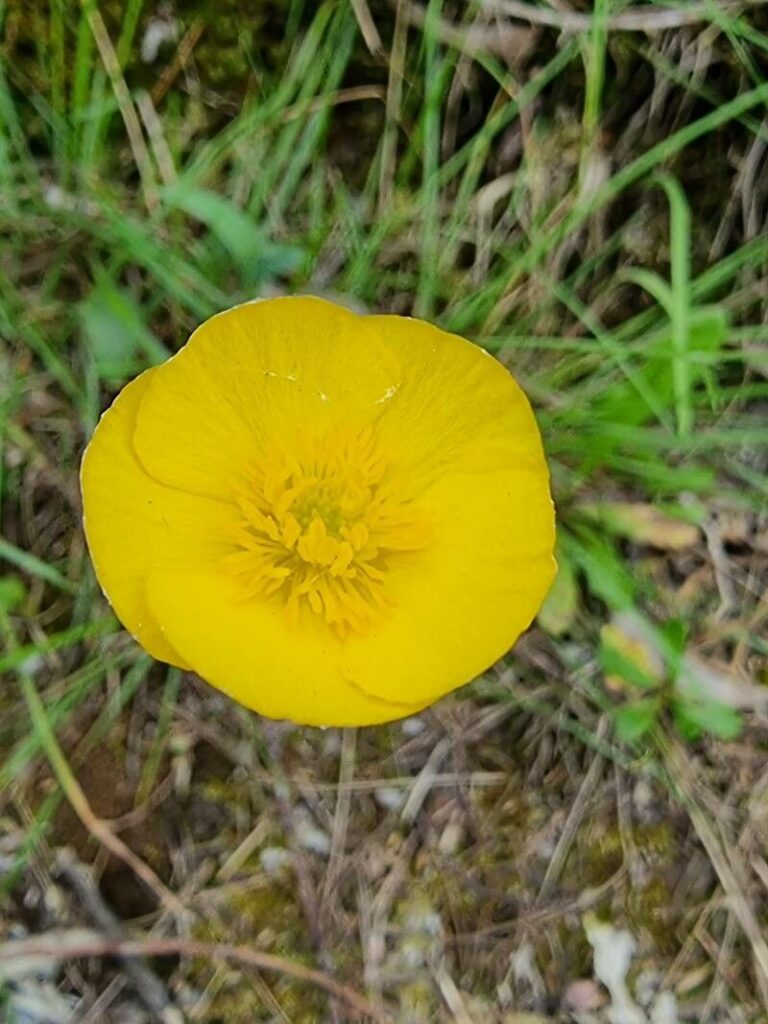
Unveiling the Secrets: How to Propagate the Exquisite Ranunculus bupleuroides
The Ranunculus bupleuroides, with its delicate, buttercup-like blooms, holds a captivating beauty that can elevate any garden. While this charming perennial might seem like a rare treasure best left to experienced gardeners, propagating it at home is a surprisingly achievable feat. Whether you’re a seasoned green thumb or a curious beginner, this guide will unveil the secrets to successfully multiplying your Ranunculus bupleuroides collection.
Method 1: Division – The Power of Multiplication
Division reigns supreme as the most common and successful method for propagating Ranunculus bupleuroides. This technique capitalizes on the plant’s natural ability to form clumps, allowing you to separate and create multiple plants from a single, healthy parent.
Here’s how:
- Timing is Key: The ideal time to divide your Ranunculus bupleuroides is in early spring, just as new growth emerges.
- Gentle Excavation: Carefully lift the entire clump from the ground using a garden fork, taking care not to damage the roots.
- Division Time: Use your hands or a sharp, clean knife to separate the clump into smaller sections. Ensure each section has a good amount of roots and at least one healthy shoot.
- Replanting: Choose a well-drained location in your garden that receives partial to full sun. Plant your divisions at the same depth they were previously growing and water them thoroughly.
Method 2: Seed Starting – Embracing the Patience Game
Propagating Ranunculus bupleuroides from seed offers a rewarding, albeit more challenging, approach. While it requires patience and a touch of luck, the satisfaction of nurturing a plant from a tiny seed to a flourishing beauty is unparalleled.
Here’s the gist:
- Seed Collection: Allow the flowers to fade naturally and collect the seed heads once they are dry and brown.
- Sowing the Seeds: Start seeds indoors 6-8 weeks before the last expected frost. Sow the seeds thinly in seed trays filled with a well-draining seed starting mix. Lightly press the seeds onto the surface and cover them with a thin layer of vermiculite.
- Patience & Care: Maintain consistent moisture and warmth for optimal germination. Depending on the conditions, germination can take several weeks to a few months.
- Transplant Time: Once the seedlings have developed a strong root system and the danger of frost has passed, transplant them to individual pots or directly into your garden.
Essential Tips for Success:
- Well-Drained Soil: Ranunculus bupleuroides thrives in well-drained soil. Avoid heavy clay soils that retain excessive moisture, as this can lead to root rot.
- Sunlight Matters: Choose a location in your garden that receives at least 4-6 hours of sunlight per day. While these plants appreciate some shade during the hottest part of the day, insufficient sunlight can hinder flowering.
- Water Wisely: Keep the soil consistently moist but not waterlogged. During the growing season, water regularly, especially during dry periods. Reduce watering during the plant’s dormant period in winter.
Propagating your own Ranunculus bupleuroides is a fulfilling experience for any gardener. By embracing these methods and tips, you’ll not only multiply your collection but also cultivate a deeper appreciation for the resilience and beauty of this charming perennial.