
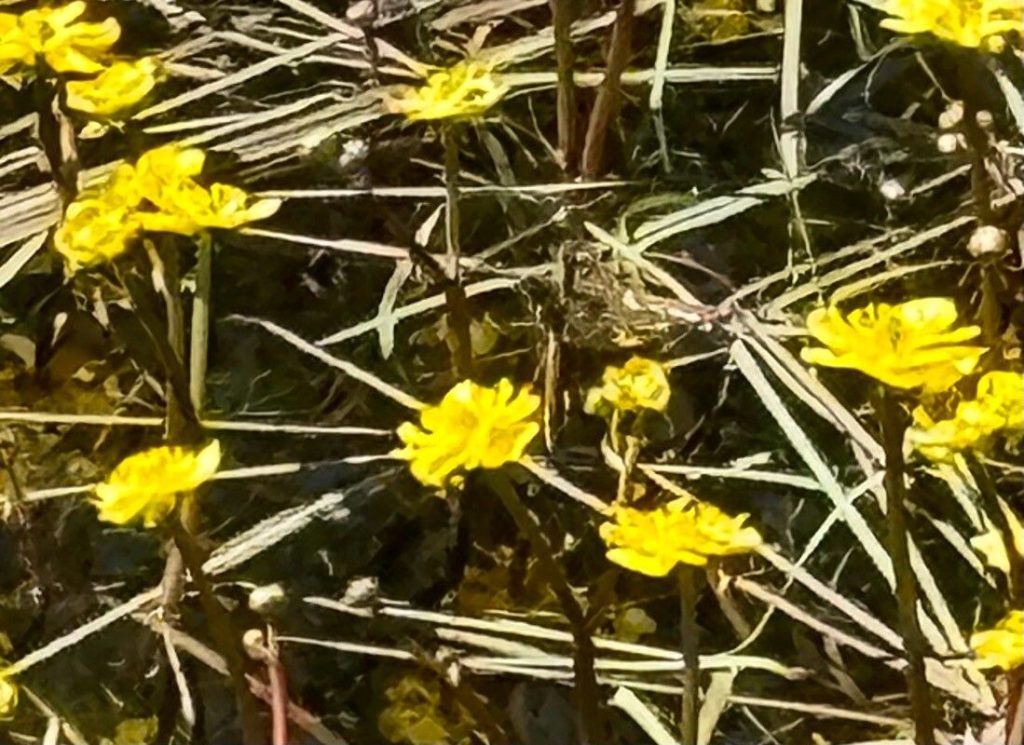
Propagating the Yellow Water Buttercup (Ranunculus flabellaris): A Gardener’s Guide
Introduction:
Ranunculus flabellaris, commonly known as the Yellow Water Buttercup, is a charming aquatic or semi-aquatic perennial boasting bright yellow, cup-shaped flowers. Its delicate foliage and cheerful blooms make it a popular addition to water gardens, bog gardens, and even moist areas of the landscape. While readily available commercially as established plants, propagating R. flabellaris can be a rewarding, albeit challenging, undertaking for the dedicated gardener. The unique aspects of its propagation stem from its amphibious nature and the varying success rates across different methods.
Seed Germination:
Currently, there are no known reliable methods for seed germination propagation of Ranunculus flabellaris. While the plant does produce seeds, their germination rate is notoriously low, and success is rarely documented. Further research into the specific germination requirements of this species is needed.
Cuttings:
Cuttings are also generally not a successful method for propagating Ranunculus flabellaris. Stem cuttings taken from either above or below the waterline rarely root, resulting in high failure rates. The inherent physiology of the plant, adapted to aquatic conditions, makes it difficult to encourage root development in a cutting outside of its natural environment.
Division:
Division is the most reliable and recommended method for propagating Ranunculus flabellaris. This involves carefully separating established plants into smaller sections, each containing several crowns and roots.
- Challenges: The process requires careful handling to avoid damaging the delicate root system. Overly aggressive division can weaken or kill the plant sections.
- Practical Tips: The best time for division is in spring or early autumn, when the plant is actively growing but not flowering. Use a sharp, sterile knife or spade to divide the plant into sections, ensuring each section has a good number of healthy roots and buds. Replant the divisions immediately in moist, well-draining soil or submerged in suitable aquatic conditions.
- Rewards: Division offers a high success rate, providing a quick and efficient way to increase the number of plants. It maintains the genetic characteristics of the parent plant.
Tissue Culture:
Tissue culture is a potential, albeit advanced, propagation method for Ranunculus flabellaris. This laboratory-based technique involves growing plant tissues in a sterile environment using nutrient media.
- Challenges: Tissue culture requires specialized equipment, aseptic techniques, and expertise in plant tissue culture protocols. It is considerably more expensive and time-consuming than division. Optimal media and growth conditions for R. flabellaris would need to be established through experimentation.
- Practical Tips: This method is generally best left to professionals or researchers with experience in plant tissue culture.
- Rewards: Tissue culture offers the potential for mass production of genetically uniform plants and the elimination of diseases. It might allow for the preservation of rare or endangered genotypes.
Conclusion:
Propagating Ranunculus flabellaris presents unique challenges, with division proving the most fruitful method for the home gardener. Seed germination and cuttings remain unreliable. Tissue culture presents advanced possibilities but requires specialized expertise and resources. The rewards, however, are significant: the successful cultivation of this charming plant, achieved through perseverance and the careful application of the appropriate techniques, provides a deep sense of satisfaction. Don’t be discouraged by initial setbacks; the persistence of a dedicated propagator is often rewarded with the flourishing beauty of these cheerful yellow water buttercups. If you’re committed to trying seed or cutting propagation, diligent experimentation with various conditions may lead to success. But for reliable, rapid propagation, division offers the most straightforward path.