
Unveiling the Secrets of Rauvolfia Spathulata Propagation: From Seed to Sanctuary
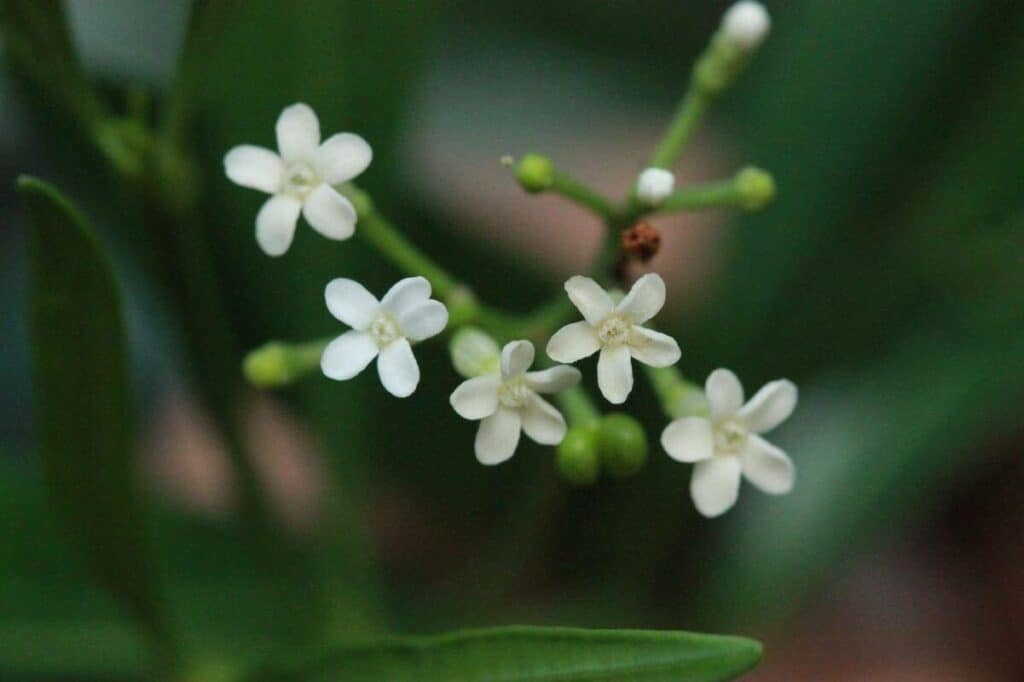
Rauvolfia spathulata, also known as the Devil’s Pepper or Be still tree, is a fascinating plant with a rich history of medicinal use. While not as well-known as its relative, the Indian Snakeroot (Rauvolfia serpentina), this tropical shrub is gaining popularity for its elegant foliage and delicate white flowers. If you’re looking to add this unique plant to your collection, understanding Rauvolfia spathulata propagation is key.
While information on this specific species’ propagation is limited due to its rarity in cultivation, we can draw insights from the propagation techniques used for other Rauvolfia species and general propagation principles.
Three Paths to Propagation:
- Seeds: Collecting seeds from mature Rauvolfia spathulata plants is the most natural propagation method. However, seed viability can be a challenge. Look for plump, dark seeds and sow them in a well-draining seed starting mix. Keep the soil consistently moist and provide warmth (around 70-75°F). Germination can be erratic, taking a few weeks to several months.
- Stem Cuttings: This method offers a faster route to mature plants. Select healthy, semi-hardwood cuttings from the current season’s growth. Ideally, choose stems that are 4-6 inches long and have at least two nodes. Remove lower leaves and wound the base of the cutting slightly to encourage rooting. Dip the cut end in rooting hormone and place it in a moist, sterile medium like perlite or vermiculite. Maintain humidity and warmth (70-80°F) with a humidity dome or plastic bag. Rooting typically takes several weeks.
- Air Layering: For those seeking adventure, air layering presents another interesting way to propagate Rauvolfia spathulata. This technique involves stimulating root growth on a stem while it’s still attached to the mother plant. Choose a healthy stem and make a small upward cut about 1-2 feet from the tip. Dust the cut with rooting hormone and surround it with moist sphagnum moss. Secure the moss with plastic wrap and aluminum foil. Roots should develop within a few months, at which point you can sever the layered stem below the new roots and pot it.
Nurturing Your New Propagations:
Regardless of the propagation method, provide your young Rauvolfia spathulata plants with bright, indirect light and well-draining soil. They prefer slightly acidic soil pH. Water regularly, keeping the soil consistently moist but not waterlogged.
A Note of Caution:
Rauvolfia species contain potent alkaloids, so handle them with care, wearing gloves when taking cuttings or seeds. Keep this plant out of reach of children and pets.
The Rewards of Patience:
Successfully propagating Rauvolfia spathulata requires patience and dedication. But witnessing the emergence of new life, whether from seed, cutting, or air layering, is incredibly rewarding. With proper care and attention, your new plants will thrive and become cherished additions to your indoor or outdoor garden.
This guide provides a starting point for your propagation journey with this intriguing species. Remember, experimentation and observation are key. As you gain experience, you’ll develop your own successful techniques for propagating and nurturing Rauvolfia spathulata.