
Unmasking the Majesty: Propagating the Ravenea Musicalis Palm
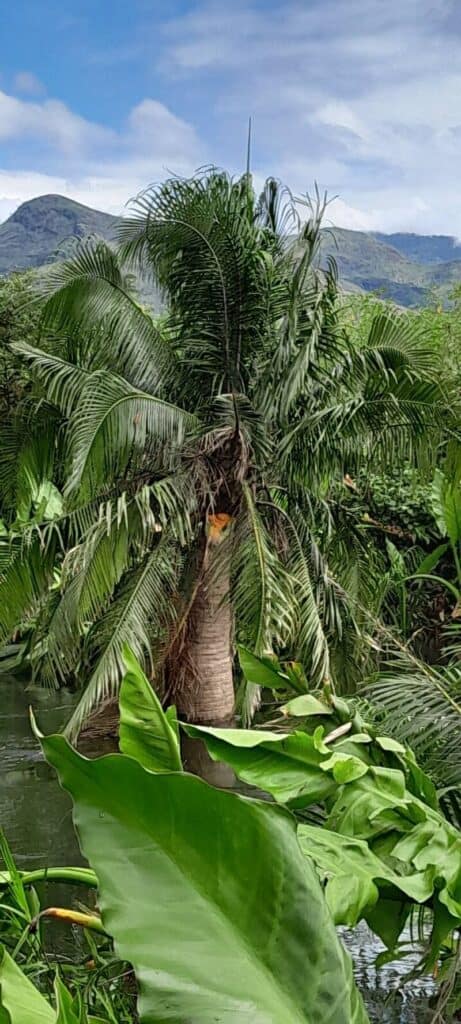
The Ravenea musicalis, with its intriguing name and even more captivating appearance, is a palm that commands attention. Native to Madagascar, this majestic palm boasts a slender, smooth, grey trunk and graceful, arching fronds that rustle like whispers in the wind. While encountering this rare beauty in the wild might be a once-in-a-lifetime opportunity, bringing its elegance home is achievable through successful propagation.
Seed Propagation: A Test of Patience and Dedication
The most common method for propagating Ravenea musicalis is through seeds, albeit a journey requiring patience and dedication. Here’s a step-by-step breakdown:
- Sourcing Seeds: Obtaining viable seeds is the crucial first step. Specialized nurseries or reputable online retailers specializing in rare palms are your best bet.
- Preparing for Germination: Ravenea musicalis seeds benefit from a pre-sowing treatment called scarification. Gently nicking the hard outer shell with a nail file or sandpaper can hasten germination.
- The Sowing Process: Plant each seed about an inch deep in a well-draining seed-starting mix. A mix of peat moss, perlite, and vermiculite provides the ideal airy and moisture-retentive environment.
- Creating the Right Conditions: Maintain a consistently warm and humid environment for your seeds. A temperature range of 75-85°F (24-29°C) is optimal. Consider using a heat mat to maintain warmth, and mist the soil regularly to retain moisture.
- The Waiting Game: Germination can be a lengthy process, with seeds taking anywhere from a few months to a year to sprout. Don’t lose hope! Continue providing consistent care, and be rewarded with the joy of witnessing new life emerge.
Offsets: A Quicker Path to Propagation (Sometimes)
While less common, Ravenea musicalis can occasionally produce offshoots or "pups" at the base of the plant. These offshoots can be carefully separated from the mother plant and potted individually.
- Identifying Viable Offsets: Look for offshoots that have developed a decent root system of their own. This ensures a higher chance of successful transplantation.
- Careful Separation: Using a clean, sharp knife, carefully separate the offshoot from the mother plant. Be sure to include a good portion of the offshoot’s root system.
- Potting the Offsets: Plant the separated offshoot in a well-draining potting mix similar to the one used for seeds.
- Providing Post-Separation Care: Keep the newly potted offshoot in a warm, humid environment with indirect sunlight. Avoid overwatering, allowing the soil to dry slightly between waterings.
Nurturing Your Ravenea Musicalis
Regardless of your chosen propagation method, ongoing care is essential to ensure your Ravenea musicalis thrives.
- Light: Place your palm in a location that receives bright, indirect sunlight. Avoid direct midday sun, which can scorch the delicate leaves.
- Water: Water deeply but infrequently, allowing the soil to dry slightly between waterings. Overwatering can lead to root rot, a common problem for these palms.
- Humidity: As a tropical plant, Ravenea musicalis appreciates humidity. Regular misting or using a humidifier can help replicate its natural environment.
- Fertilizer: Feed your palm with a balanced, slow-release fertilizer specifically formulated for palms during the growing season (spring and summer).
Propagating the Ravenea musicalis may be a labor of love, but the rewards are well worth the effort. By following these guidelines, you can successfully cultivate this rare beauty and enjoy its majesty for years to come. Remember, patience is key, and the process is as rewarding as the result itself.