
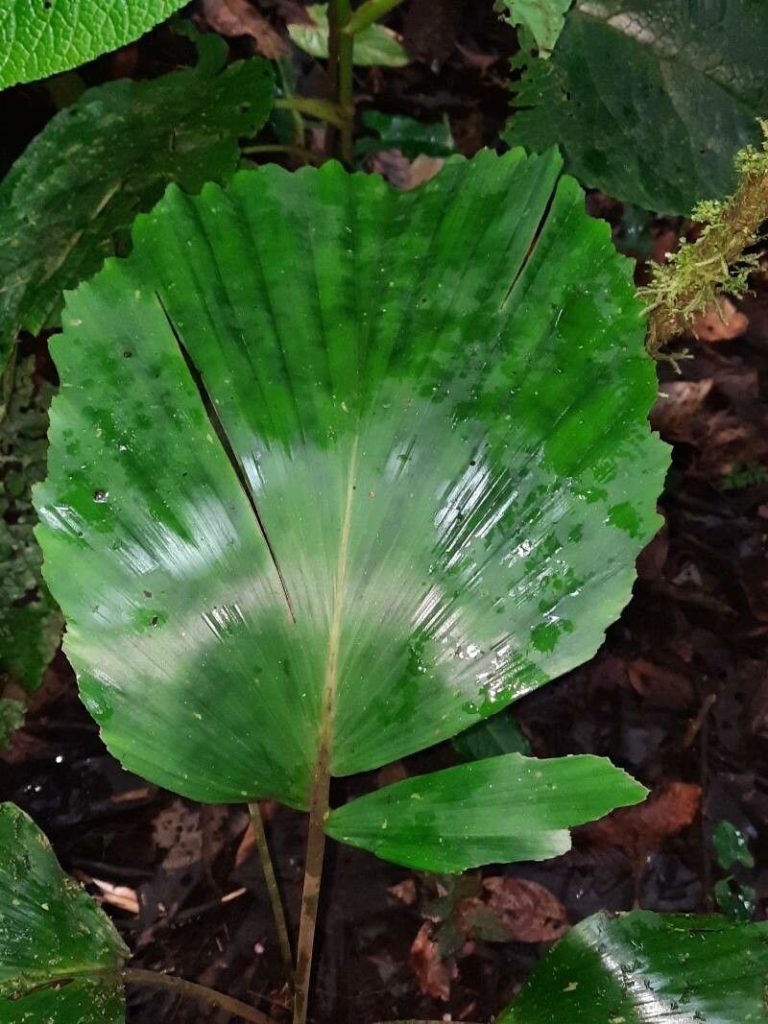
Propagating the Elegant Reinhardtia simplex: A Gardener’s Guide
Introduction:
Reinhardtia simplex, also known as the simple reed palm or the elegant reed palm, is a striking, slender palm prized for its graceful, arching fronds and relatively compact size. Its delicate appearance belies a surprising resilience, making it a popular choice for indoor and outdoor cultivation in tropical and subtropical climates. However, propagating this beauty presents unique challenges. Its relative rarity in cultivation also limits readily available propagation information. This article explores the various methods available, weighing their viability and providing practical advice to gardeners keen to expand their collection of these elegant palms.
Seed Germination:
Currently, there are no known reliable methods for seed germination propagation of Reinhardtia simplex. While the plant does produce seeds, their germination rate is reportedly extremely low, even under optimal conditions. Further research is needed to determine if specific pre-treatments or environmental factors could improve germination success.
Cuttings:
Propagating Reinhardtia simplex from cuttings is also generally considered unreliable. This palm doesn’t readily produce suckers or offsets that can be easily separated and rooted. Attempts at stem or root cuttings have shown little success to date.
Division:
Division, the separation of a mature plant into smaller, independent plants, presents a slightly more promising, albeit still challenging, method. The challenges lie in the delicate root system of Reinhardtia simplex. Aggressive separation can easily damage the roots, leading to the death of the divided portions.
- Challenges: The fragile root system and the need for careful handling are significant hurdles.
- Practical Tips: Division should only be attempted with relatively large, established plants. The process should be undertaken during the warmer months when the plant is actively growing. Use a sharp, clean knife or shears to minimize damage. Each division should ideally have a substantial portion of its own root mass. Plant each division immediately into well-draining, rich potting mix and provide consistent moisture and humidity.
- Rewards: Successful division yields genetically identical plants, ensuring the preservation of desirable traits. It offers a relatively quick method of propagation compared to other options, assuming the division is successful.
Tissue Culture:
Tissue culture offers the most promising, albeit more technically demanding, method for propagating Reinhardtia simplex. This laboratory-based method involves growing plantlets from sterile tissue samples.
- Challenges: Tissue culture requires specialized equipment, sterile conditions, and a thorough understanding of plant tissue culture techniques. It’s the most costly option and may require expertise not available to home gardeners. Finding a lab specializing in palm tissue culture may also be difficult.
- Practical Tips: Sourcing a reputable tissue culture laboratory with experience in palm propagation is crucial. The success rate depends heavily on the lab’s expertise and the quality of the source plant material.
- Rewards: Tissue culture offers the potential for large-scale propagation and the production of disease-free, uniform plants. It represents the most reliable method for preserving and disseminating rare or desirable Reinhardtia simplex varieties.
Conclusion:
Propagating Reinhardtia simplex is indeed challenging, with seed germination and cuttings proving largely ineffective. Division offers a possibility, but demands careful technique to avoid harming the plant. Tissue culture presents the most reliable but also most resource-intensive method. The reward of successfully cultivating this elegant palm, however, is well worth the effort. The unique beauty and relatively manageable size of Reinhardtia simplex make the challenge all the more appealing to dedicated plant enthusiasts. For the aspiring propagator, patience, precise technique, and a willingness to learn from setbacks are key to success. While some methods are currently unreliable, advancements in horticultural techniques may unlock more successful propagation methods in the future. Don’t be discouraged by initial difficulties; persevere, and the elegance of Reinhardtia simplex will be your reward.