
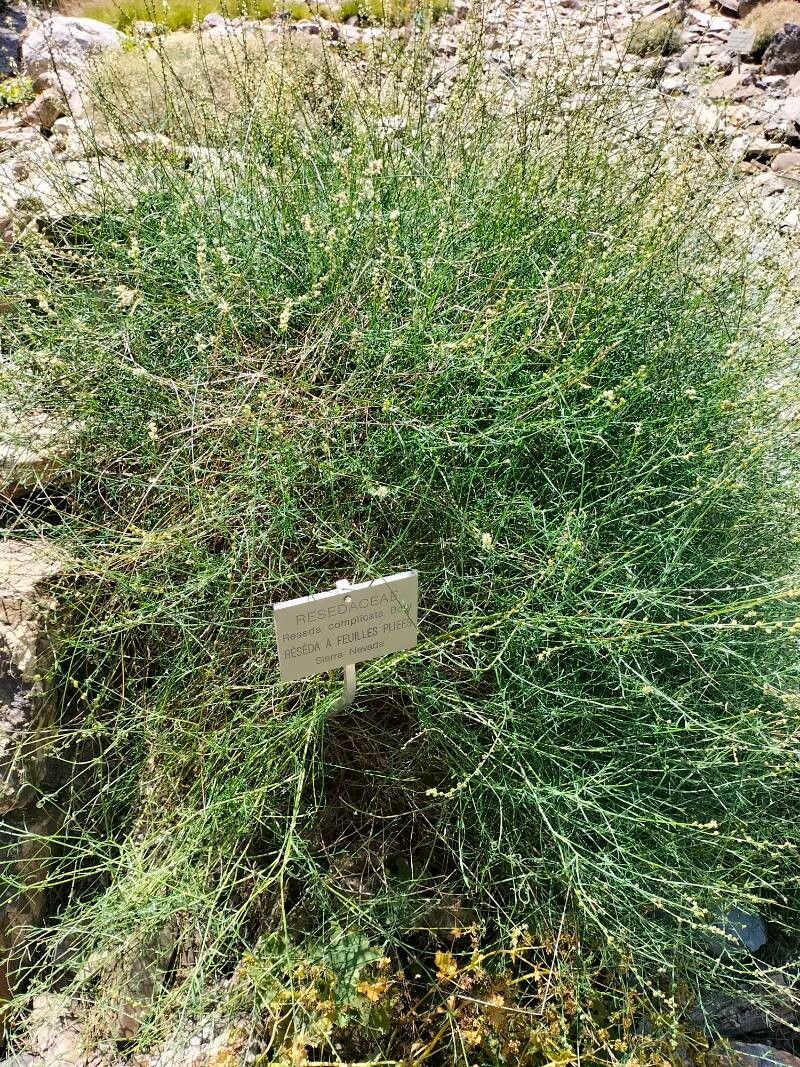
Unfurling the Secrets: Propagating the Enigmatic Reseda complicata
The world of plants is full of fascinating characters, and Reseda complicata, with its delicate flowers and intriguing name, is no exception. This rare beauty, hailing from the sun-kissed landscapes of Spain, beckons plant enthusiasts with its subtle charm and air of mystery. While not commonly found in gardens, those fortunate enough to encounter it often yearn to propagate its unique allure.
While information on propagating Reseda complicata can be as elusive as the plant itself, we’re here to unravel the secrets to successfully growing new specimens of this botanical gem.
Seeds of Success: The Primary Path
Propagating Reseda complicata primarily relies on the magic of seeds. Luckily, this plant is a generous seeder, offering a good chance for success. Here’s what you need to know:
- Collection: Once the flowers fade, keep a watchful eye out for the development of seed pods. Harvest the pods when they turn brown and dry, being careful not to damage the precious seeds within.
- Sowing Time: For optimal germination, timing is key. Sow the seeds in the spring, directly into the garden or in seed trays filled with a well-draining seed starting mix.
- Light and Warmth: These seeds are sun-worshippers! Place your seed trays in a bright location, but avoid direct sunlight, which can scorch the delicate seedlings. Maintain a consistent temperature around 65-75°F (18-24°C).
- Patience is Key: Germination times can be somewhat erratic, ranging from a few weeks to a couple of months. Don’t despair if you don’t see sprouts immediately; keep the soil consistently moist and maintain patience.
Transplanting with Care:
Once your seedlings develop a couple of true leaves, it’s time to give them their own space to flourish.
- Harden off: Gradually acclimate your seedlings to outdoor conditions by introducing them to increasing amounts of sunlight and fresh air over a week or two.
- Choose the Right Spot: Reseda complicata prefers a sunny location with well-drained soil. Remember their Mediterranean origins and select a spot that mimics those conditions.
- Spacing Matters: When planting multiple seedlings, provide ample space for growth, typically 12-18 inches apart, to prevent overcrowding and encourage healthy air circulation.
Cuttings: An Option to Explore
While seed propagation is the most common method, some gardeners report success with taking cuttings. However, this method can be trickier and requires precise timing and care.
- Timing is Crucial: Take cuttings in the early morning during the active growing season, ideally from young, healthy stems.
- Rooting Hormone Boost: Dipping the cut end in rooting hormone can significantly increase the chances of successful root development.
- Create a Humid Environment: Cover the cuttings with a plastic bag or humidity dome to retain moisture and create a greenhouse-like environment to promote root development.
Embracing the Journey: Tips for Success
- Master the Soil: Reseda complicata thrives in well-drained soil that mimics its native Mediterranean habitat. Consider adding sand or perlite to improve drainage.
- Water Wisely: While this resilient plant tolerates some drought conditions, consistent moisture, especially during the initial establishment phase, is crucial for healthy growth.
- Embrace the Sun: Choose a location with at least six hours of direct sunlight per day to encourage robust growth and vibrant flowering.
Propagating Reseda complicata might require a bit of patience and a touch of green-thumb magic, but the rewards are well worth the effort. By following these tips and embracing the journey, you can successfully cultivate this rare beauty and introduce its captivating charm to your own garden haven.