
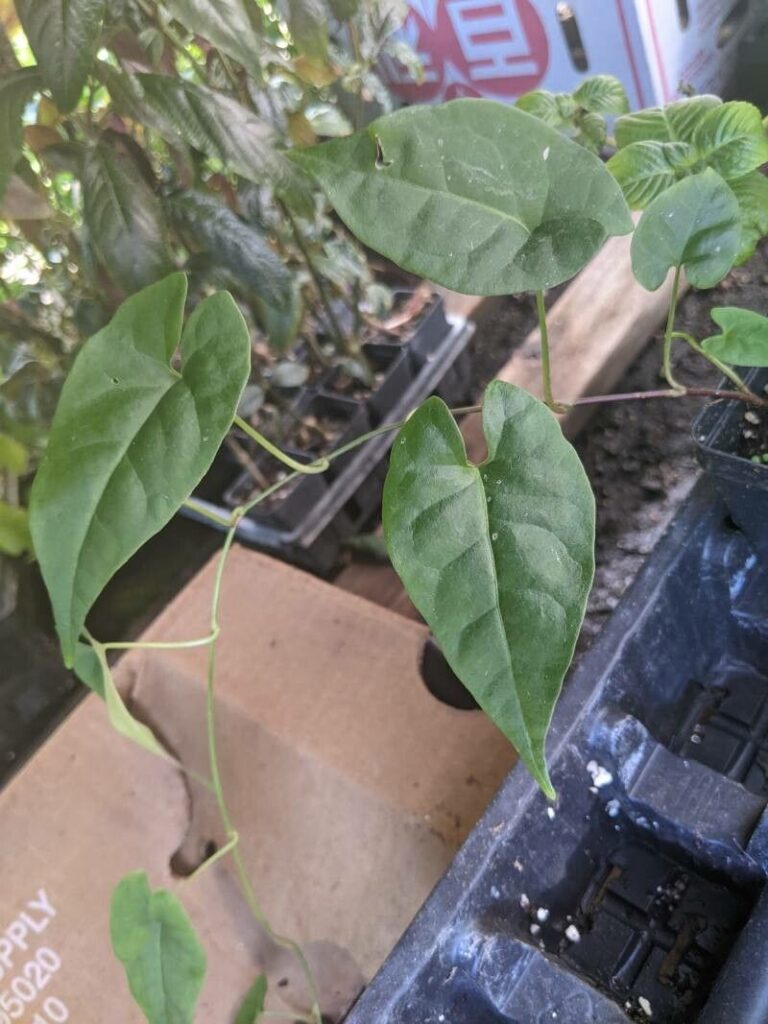
Taming the Beast: How (and why) to propagate Reynoutria multiflora responsibly
Reynoutria multiflora – you might know it better by its more common names, Japanese knotweed, or even the more ominous “mile-a-minute” moniker. This fast-growing, vigorous plant has a reputation, and it’s often not a good one. Known for its invasive tendencies, Japanese knotweed can be a gardener’s worst nightmare. But did you know that this powerful plant can be readily propagated and, under the right circumstances, even beneficial?
Before delving into the ‘how’, let’s address the ‘why’ you might want to propagate Japanese knotweed, and more importantly, how to do so responsibly.
Why propagate Japanese knotweed?
While its invasive nature makes it a threat to native ecosystems, Japanese knotweed offers certain benefits:
- Erosion control: Its strong root system can stabilize banks and slopes.
- Ornamental value: The plant’s heart-shaped leaves and delicate white flowers can be visually appealing.
- Medicinal properties: Japanese knotweed contains resveratrol, an antioxidant linked to various health benefits.
Propagation with responsibility
The key to harnessing the benefits of Japanese knotweed lies in responsible propagation. Here’s how to proceed with caution:
1. Containment is Key:
Due to its invasive nature, it is crucial to contain Japanese knotweed. Planting it directly in the ground is strongly discouraged. Instead, opt for:
- Containers: Choose large, sturdy containers with drainage holes. Bury the container in the ground, leaving the rim exposed to prevent the roots from escaping.
- Raised Beds: Construct raised beds with physical barriers below the soil line to restrict root growth.
Japanese knotweed is incredibly easy to propagate, even tiny fragments can develop into new plants. The most effective methods are:
- Rhizome cuttings: In early spring, carefully dig around the base of an established plant and cut sections of rhizome (underground stem) at least 2-3 inches long, ensuring each section has a growth bud. Plant these horizontally in a prepared container or raised bed.
- Stem cuttings: During the growing season, take stem cuttings of about 6-8 inches, each containing several leaf nodes. Remove lower leaves and place the cut end in water or moist potting mix. Roots should develop within a few weeks.
3. Ongoing vigilance:
- Regular monitoring: Regularly inspect the area around your contained plants for any signs of escape.
- Responsible Disposal: Never discard cuttings or plant material in compost or yard waste. Dispose of them by bagging and sending them to a landfill or incineration facility.
Cautious Cultivation:
While Japanese knotweed possesses certain benefits, its propagation requires a cautious and contained approach. By implementing responsible methods and remaining vigilant about its growth, you can harness its beneficial aspects while minimizing its potential ecological impact.
Remember, always prioritize the preservation of your local ecosystem. Before introducing any new plant, even in a controlled environment, research its potential invasiveness in your region and consult local gardening experts if needed.