
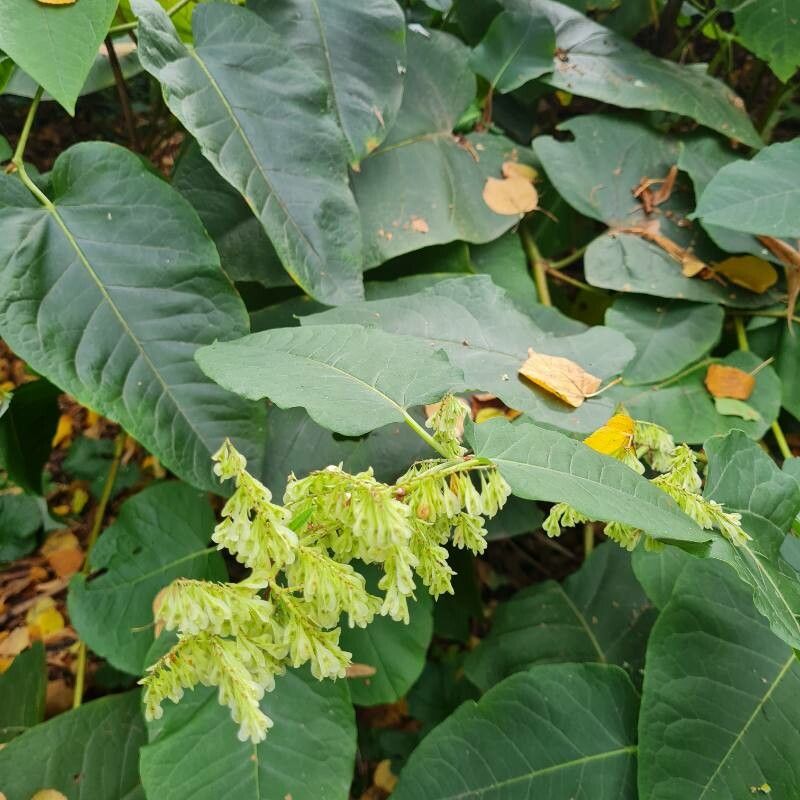
Don’t Let This Plant Take Root: The Invasive Power of Reynoutria sachalinensis
Have you ever stumbled upon a massive, bamboo-like plant with incredibly large leaves and a vibrant green hue? If so, you might have encountered Reynoutria sachalinensis, more commonly known as giant knotweed or Sakhalin knotweed. While its striking appearance might initially impress, this plant is anything but harmless. It’s a stealthy invader, capable of taking over entire landscapes with its aggressive propagation strategies.
A Master of Multiplication:
Reynoutria sachalinensis is a notorious invasive species, and its widespread presence is a testament to its remarkable ability to reproduce. The plant employs a two-pronged approach, relying on both sexual and asexual reproduction methods:
-
Sexual Reproduction: The plant produces tiny white flowers that develop into seeds. These seeds, though small, can travel far and wide carried by wind and water. Once they find suitable soil, they germinate and start new colonies, spreading the plant’s reach.
- Asexual Reproduction: This is where things get truly tricky. Reynoutria sachalinensis thrives on its ability to spread through vegetative reproduction. Its underground rhizomes, thick, creeping root systems, can extend horizontally for impressive distances. These rhizomes are packed with dormant buds, ready to sprout and form new shoots, effectively creating a network of identical plants. Even a small piece of rhizome left behind in the soil can potentially lead to a new colony.
The Devastating Impact:
This remarkable talent for propagation is a double-edged sword. While it might seem impressive in terms of its ability to flourish, its invasive nature has detrimental consequences:
-
Ecological Disruption: The aggressive growth of Reynoutria sachalinensis chokes out native plants, disrupting the delicate balance of ecosystems. Its dense growth can alter habitats, reducing biodiversity and harming wildlife.
-
Economic Damage: This invasive species can cause significant financial losses. Its invasion can degrade land value, impede infrastructure projects, and increase management costs for landowners.
- Health Concerns: While not directly poisonous, the sap of Reynoutria sachalinensis can cause skin irritation in some individuals. Additionally, its invasive nature poses challenges for managing and controlling other plant species, impacting agricultural production and biodiversity.
Fighting Back Against the Invader:
The fight against Reynoutria sachalinensis requires a multi-pronged approach:
-
Preventative Measures: The most effective strategy is prevention. Avoid planting this species in your garden and be watchful for any signs of its presence.
-
Early Detection: Early detection and rapid response are vital. If you spot this invasive plant, it’s crucial to remove it as soon as possible to limit its spread.
- Control Measures: Effective control methods involve a combination of techniques. These can include manual removal, digging up rhizomes, use of herbicides, and biological control methods.
It’s a Shared Responsibility:
Reynoutria sachalinensis presents a significant challenge, and tackling it requires collective action. By understanding its propagation methods, their detrimental impact, and the effective control strategies, we can collectively prevent its further spread and protect our precious ecosystems.
Remember, knowledge is power, and by staying informed and taking action, we can turn the tide against this invasive plant and safeguard our natural landscapes for generations to come.