
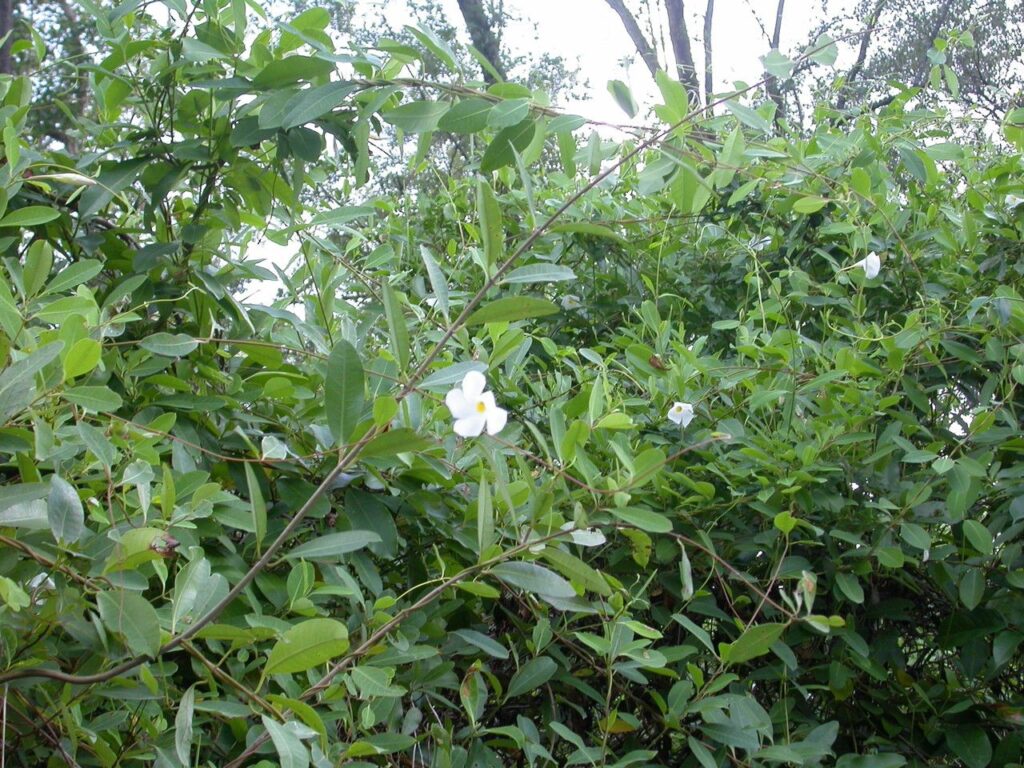
From One to Many: Propagating the Climbing Beauty, Rhabdadenia biflora
The vibrant green foliage and showy yellow flowers of the Rhabdadenia biflora, also known as the “climbing allamanda,” make it a popular choice for gardeners. But did you know you can easily multiply your plant’s beauty by propagating it? This article dives into the fascinating world of Rhabdadenia biflora propagation, revealing simple techniques that will allow you to effortlessly grow new plants from your existing one.
Unlocking the Power of Propagation: Methods for Rhabdadenia biflora
This tropical vine thrives in warm climates, and thankfully, it’s also a breeze to propagate through two primary methods:
1. Stem Cuttings:
- Timing is key: The best time to harvest cuttings is during the growing season, typically from spring to summer.
- Cut and trim: Take cuttings from healthy, non-flowering stems. Aim for sections about 4-6 inches long, making a clean cut just below a node (the point where leaves grow).
- Prep and plant: Remove the lower leaves and dip the cut end in rooting hormone for a boost. Plant the cuttings in a well-draining potting mix, ensuring the nodes are below the soil line.
- Support and sunshine: Provide a moist environment with indirect sunlight and consider using a humidity dome to enhance root development.
2. Air Layering:
- Selecting the ideal branch: Choose a healthy, mature branch for air layering.
- Making the incision: Gently scrape the bark about 1 inch long on the branch, exposing the cambium layer.
- Wrapping the magic: Apply rooting hormone to the exposed area, wrap it with moist sphagnum moss, and seal everything with plastic wrap to retain moisture.
- Patience is key: Leave the wrapped section for several weeks, allowing roots to develop. When you see new growth emerging from the moss, you can cut the branch below the rooted area and pot it up.
Nurturing Your New Plants:
Once your cuttings or air-layered plants have established roots, you can transition them outside or into larger pots. Remember to provide consistent moisture, well-draining soil, and plenty of sunlight for optimal growth. It’s also important to fertilize regularly during the growing season.
The Benefits of Propagation:
- Cost-effective: You can effortlessly multiply your plants without the expense of buying new ones.
- Expansion: You can create a lush, cascading display by using propagated plants to grow your vine even larger.
-
Sharing the beauty: Propagate Rhabdadenia biflora to share with friends and family, spreading the joy of this delightful plant.
Growing Your Own Climbing Allamanda Success Story:
With these simple techniques, you can easily multiply your beautiful Rhabdadenia biflora and enjoy its vibrant presence in your garden or home. Remember: patience and consistent care will reward you with a thriving new plant that will bring years of beauty and joy. So grab your gloves and clippers, and embark on your own propagation adventure!