
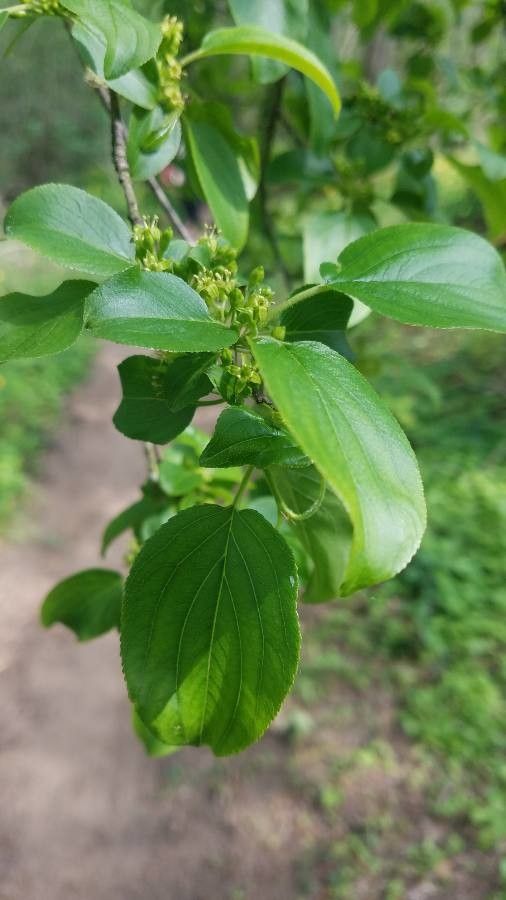
From Seed to Shrub: A Guide to Propagating Buckthorn (Rhamnus cathartica)
Buckthorn (Rhamnus cathartica), a common sight in hedgerows and wild areas, is a versatile plant with attractive foliage and berries. While it’s often viewed as an invasive species, this hardy shrub can be a valuable addition to your garden if managed responsibly. And the best part? Propagating buckthorn is surprisingly easy!
Why Propagate Buckthorn?
While you might not want to actively encourage buckthorn to spread, there are good reasons to propagate it:
- Control and Management: By propagating buckthorn yourself, you can cultivate specific, non-invasive varieties for your garden.
- Seed Sourcing: If you’re planning to use buckthorn for dye making or other purposes, you can control the source of your seeds and ensure they’re not contaminated with pesticides.
- Conservation: You can propagate rare or endangered varieties of buckthorn to help preserve them.
Two Methods for Propagation:
1. Seed Propagation:
This method is simple and reliable. Buckthorn seeds require a period of cold stratification to break their dormancy, mimicking the natural winter conditions they experience. Here’s how:
- Collect Seeds: Gather ripe berries from your buckthorn plant in late autumn or early winter. Remove the pulp and thoroughly wash the seeds.
- Stratification: Place the seeds in a moist paper towel or vermiculite and store them in a refrigerator for 2-3 months. This cold period will trigger germination.
- Seed Sowing: Once stratification is complete, sow the seeds in a well-drained seed tray or directly outdoors in a prepared bed. Keep the soil moist, and seedlings should emerge within a few weeks.
2. Cutting Propagation:
This technique is faster than seed propagation and offers a quicker way to obtain new plants.
- Timing: Take softwood cuttings in early summer from new growth or hardwood cuttings in late autumn or winter.
- Preparation: With sharp shears, cut 6-8 inch long sections from healthy, non-flowering branches. Remove any lower leaves and dip the cut end into rooting hormone for an extra boost.
- Planting: Pot the cuttings in a mixture of peat moss and perlite, keeping them moist and protected from direct sunlight.
- Patience: Rooted cuttings will typically appear within 4-8 weeks, at which point they can be transplanted into larger pots or outdoors.
Important Considerations:
- Location: Ensure you’re choosing a location with proper sunlight and drainage for your buckthorn.
- Control: Be vigilant in preventing buckthorn from spreading beyond your desired area. Regularly prune and remove unwanted plants.
- Alternatives: If you’re concerned about the invasive potential of buckthorn, consider choosing native alternatives for your landscaping projects.
Conclusion:
Propagating buckthorn can be a rewarding experience, allowing you to develop a deeper understanding of this often-misunderstood plant. By choosing a responsible approach and understanding its potential impact, you can enjoy the natural beauty of buckthorn while ensuring it doesn’t become a nuisance.