
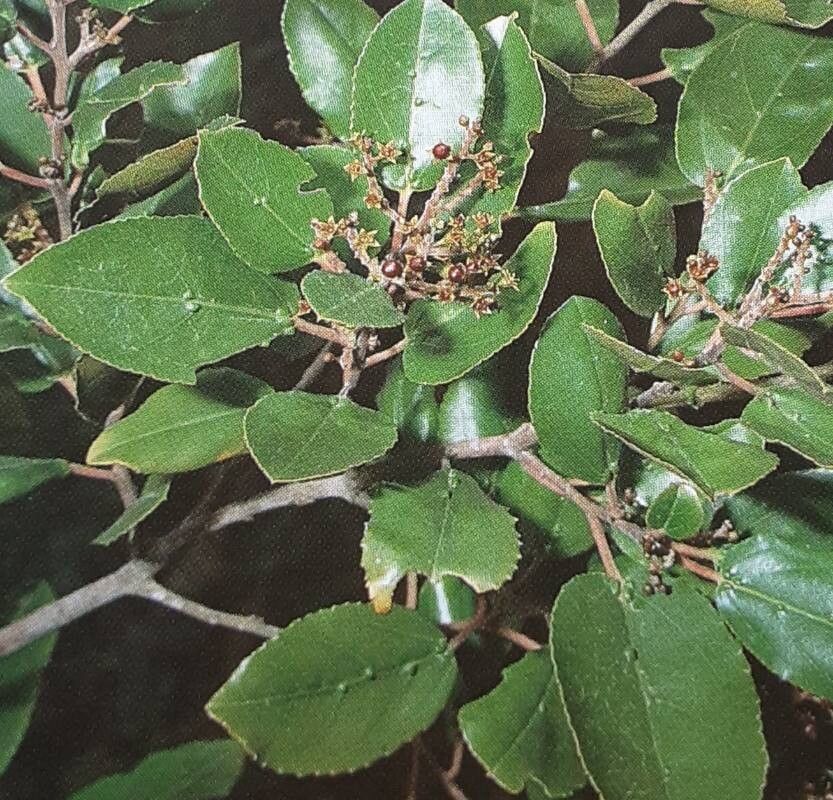
Unlocking the Secrets of Rhamnus glandulosa Propagation: From Seed to Success
The Rhamnus glandulosa, also known as the “California Coffeeberry,” is a captivating native shrub that adorns landscapes with its glossy evergreen leaves and clusters of vibrant red berries. But for those yearning to add this beauty to their own gardens, the question arises: how do you propagate these captivating plants?
The good news is, Rhamnus glandulosa propagation is achievable, though it might take a bit of patience and know-how. This blog post will delve into the world of Rhamnus glandulosa propagation, covering the most effective methods and essential tips for success.
Two Main Avenues to Propagation:
-
This method is the most common and involves using seeds collected from ripe berries. Let’s break down the process:
- Seed Collection: Harvest the berries when they turn a deep red, indicating ripeness. Remove the fleshy pulp and gently clean the seeds.
- Stratification: Rhamnus glandulosa seeds require a period of cold stratification to break dormancy. This involves mimicking the natural winter conditions they experience in their native habitat. Place the seeds in a moist medium like vermiculite or peat moss, then store in a refrigerator for 60-90 days (ideal temperature is 34-41°F).
- Sowing: After stratification, sow the seeds in seed trays or pots filled with a well-draining potting mix. Keep the soil moist and ensure adequate light. Germination can take several weeks to a few months, but be patient!
-
Cuttings:
This method involves taking cuttings from established Rhamnus glandulosa plants. It’s a faster path to propagation compared to seed sowing.
- Cutting Selection: Choose healthy, semi-hardwood cuttings from non-flowering branches in late summer or early fall. The ideal length is around 4-6 inches.
- Preparation: Remove the leaves from the lower portion of the cutting and make a clean cut at the base. Dip the cut end in a rooting hormone solution to boost rooting success.
- Planting: Insert the cuttings into a rooting mix (a blend of peat moss and perlite works well) and keep them in a humidity dome or a plastic bag to maintain a high level of moisture. Place the cuttings in indirect sunlight and keep the rooting mix consistently moist. Rooting can take several weeks to a couple of months.
Key Tips for Success:
- High-Quality Soil: Choose a well-draining potting mix rich in organic matter for both seed sowing and cuttings.
- Watering: Maintain consistent moisture levels but avoid overwatering, as it can lead to root rot.
- Light: Provide adequate light, but avoid direct sunlight, especially for cuttings.
- Patience: Propagation takes time! Don’t give up if you don’t see results immediately. Be patient, and your efforts will be rewarded.
Cultivating Your California Coffeeberry:
Once your Rhamnus glandulosa seedlings or cuttings have established themselves, you can transplant them into your garden. They thrive in well-drained soil and prefer full sun to partial shade. Regular watering is crucial, especially during the drier months.
Propagating the California Coffeeberry from seeds or cuttings is a rewarding experience. It allows you to multiply these beautiful shrubs and share them with friends or create your own small coffeeberry grove. With patience, attention to detail, and a touch of green thumb magic, you can successfully propagate Rhamnus glandulosa and embrace the beauty of this remarkable native plant in your own garden.