
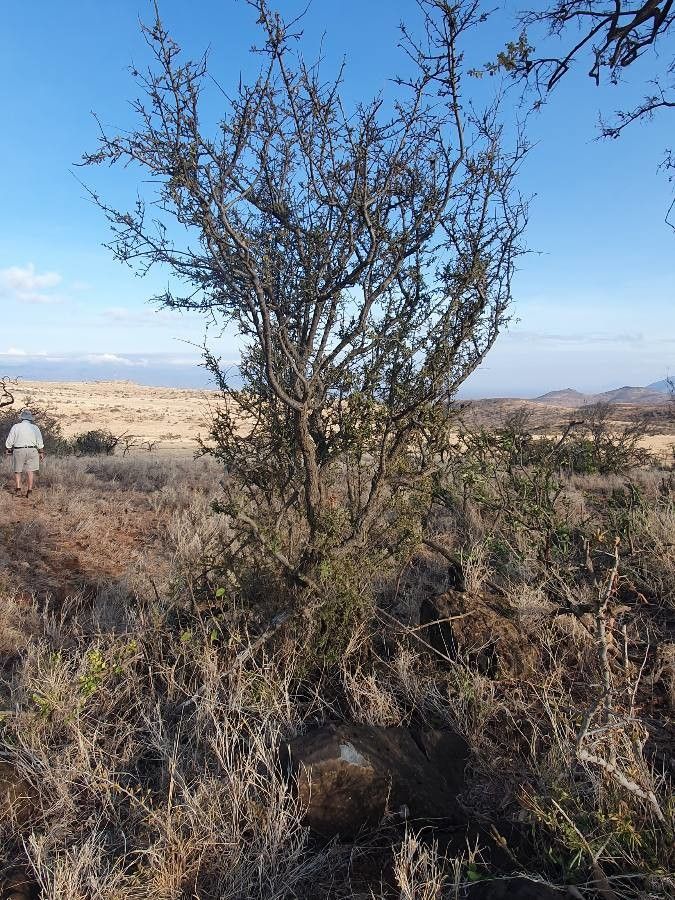
Unlocking the Secrets of Rhamnus Staddo Propagation: A Guide to Growing Your Own
The Rhamnus staddo, also known as the Italian Buckthorn, is a beautiful and resilient shrub that brings a touch of Mediterranean charm to gardens around the world. While admiring these plants in nurseries is a treat, imagine the satisfaction of growing your own! This comprehensive guide will delve into the various methods of Rhamnus staddo propagation, empowering you to expand your garden with these vibrant shrubs.
1. Mastering the Art of Seed Propagation
Propagating Rhamnus staddo from seeds can be a rewarding, albeit slightly more time-consuming, process. Here’s a breakdown:
- Seed Collection: Harvest mature berries in the fall and extract the seeds. Clean off any remaining fruit pulp to prevent fungal issues.
- Stratification: Rhamnus staddo seeds require cold stratification to break dormancy. Mix them with damp sand or vermiculite and store in a refrigerator (around 4°C) for 60-90 days.
- Sowing: Once stratified, sow the seeds in seed trays filled with well-draining soil. Gently press them into the surface and cover with a thin layer of soil.
- Germination: Place the trays in a warm, bright location, ensuring the soil remains consistently moist. Germination can take several weeks to a few months, so patience is key.
2. Taking the Shortcut: Propagating from Cuttings
For quicker results, propagating Rhamnus staddo from cuttings is an effective method. Follow these steps:
- Timing is Key: Take semi-hardwood cuttings in late summer. Choose healthy stems that are still somewhat flexible but have started to harden.
- Cutting Prep: Make a clean cut below a leaf node, using a sharp, sterilized knife or pruning shears. Remove the lower leaves, leaving 2-3 pairs at the top.
- Hormone Boost (Optional): Dip the cut end in rooting hormone powder to encourage root development.
- Potting Up: Plant the cuttings in pots filled with a well-draining potting mix. Water well and cover with a plastic bag or use a propagator to create a humid environment.
- Rooting Success: Keep the cuttings in a warm, bright location, shielded from direct sunlight. Roots should develop in 6-8 weeks.
3. Layering: A Natural Approach
Layering is a less common but effective method for propagating Rhamnus staddo, especially for those who enjoy working with the plant’s natural growth habits:
- Choosing a Branch: Select a low-growing, flexible branch in spring.
- Wounding and Burying: Make a small wound or scrape on the underside of the selected branch. Bend the branch down and bury the wounded portion in a shallow trench filled with soil.
- Securing and Patience: Secure the branch in place using a landscape pin or rock. Keep the area consistently moist.
- Separation: After a year, check for root development. Once established, carefully separate the layered branch from the parent plant and transplant it to a new location.
Caring for Your New Rhamnus Staddo
Regardless of your chosen propagation method, young Rhamnus staddo plants thrive in well-drained soil and a sunny to partially shaded location. Water them regularly during their first year to establish a robust root system. Once established, they are relatively drought-tolerant and low-maintenance.
By following these propagation techniques, you can cultivate your own flourishing Rhamnus staddo shrubs, adding beauty and biodiversity to your garden for years to come. Enjoy the process and the rewarding experience of watching your propagation efforts come to life!