
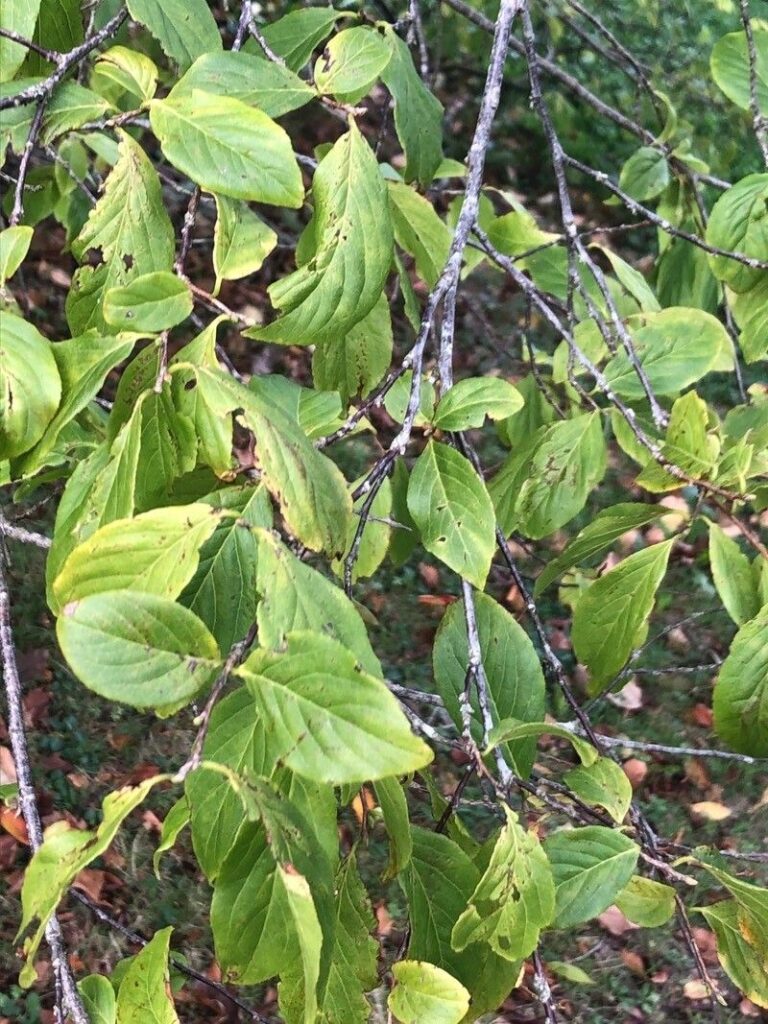
Unlocking the Secrets of Propagation: How to Grow More Rhamnus utilis
The Rhamnus utilis, also known as the Chinese buckthorn or medicinal buckthorn, is an adaptable shrub prized for both its ornamental value and its use in traditional medicine. Whether you’re a seasoned gardener looking to expand your collection or a curious novice hoping to cultivate this versatile plant, understanding its propagation methods is key to success.
Sowing the Seeds of Success: Propagation via Seed
Rhamnus utilis can be grown from seed, offering a rewarding, albeit slower, journey from seed to shrub. Here’s how:
-
Seed Collection and Preparation: Harvest ripe berries in the fall. Carefully remove the outer fleshy layer and clean the seeds thoroughly. Cold stratification, mimicking natural winter conditions, is crucial for successful germination. Place the cleaned seeds in a mix of damp sand or vermiculite, seal them in a plastic bag, and store them in the refrigerator (around 4°C or 39°F) for 60-90 days.
-
Sowing Time: Spring is the optimal time to sow your stratified seeds.
-
Planting Medium and Depth: Use a well-draining seed starting mix. Sow seeds at a depth of about 1 cm (0.5 inches) and water gently.
-
Light and Temperature: Place the seed tray in a bright location, out of direct sunlight. Maintain a temperature of around 18-21°C (64-70°F).
- Patience is Key: Be patient, as Rhamnus utilis seeds can sometimes be slow to germinate. Germination may take several weeks or even months.
Taking the Scenic Route: Propagation via Cuttings
For those seeking a faster route, propagation through cuttings offers a quicker way to obtain new plants that are genetically identical to the parent plant:
-
Timing is Everything: Early summer, when the plant is actively growing, is the ideal time for taking cuttings.
-
Selecting the Right Cuttings: Choose healthy, semi-hardwood cuttings that are about 10-15 cm (4-6 inches) long.
-
Preparing the Cuttings: Remove the lower leaves from the cutting, leaving only a few at the top. Dip the cut end in a rooting hormone to encourage root development.
-
Planting the Cuttings: Plant the cuttings in a pot filled with a well-draining potting mix, burying the bottom node(s) of the cutting.
-
Creating a Humid Environment: Maintain high humidity around the cuttings by covering the pot with a clear plastic bag or using a propagation dome. This helps to prevent the cuttings from drying out.
-
Monitoring and Care: Place the cuttings in a well-lit area, out of direct sunlight. Keep the soil consistently moist, but not waterlogged.
- Rooting and Transplanting: With proper care, the cuttings should develop roots within a few weeks. Once rooted, you can transplant them into individual pots or directly into the garden.
A Note on Patience and Persistence:
While propagating Rhamnus utilis can be incredibly rewarding, remember that patience is key. Not all seeds will germinate, and not all cuttings will root. Don’t be discouraged! With a bit of persistence and by following these tips, you’ll increase your chances of success and soon be enjoying more of these beautiful and beneficial shrubs in your garden.