
Propagating the Exquisite Rhaphidophora foraminifera: A Gardener’s Guide
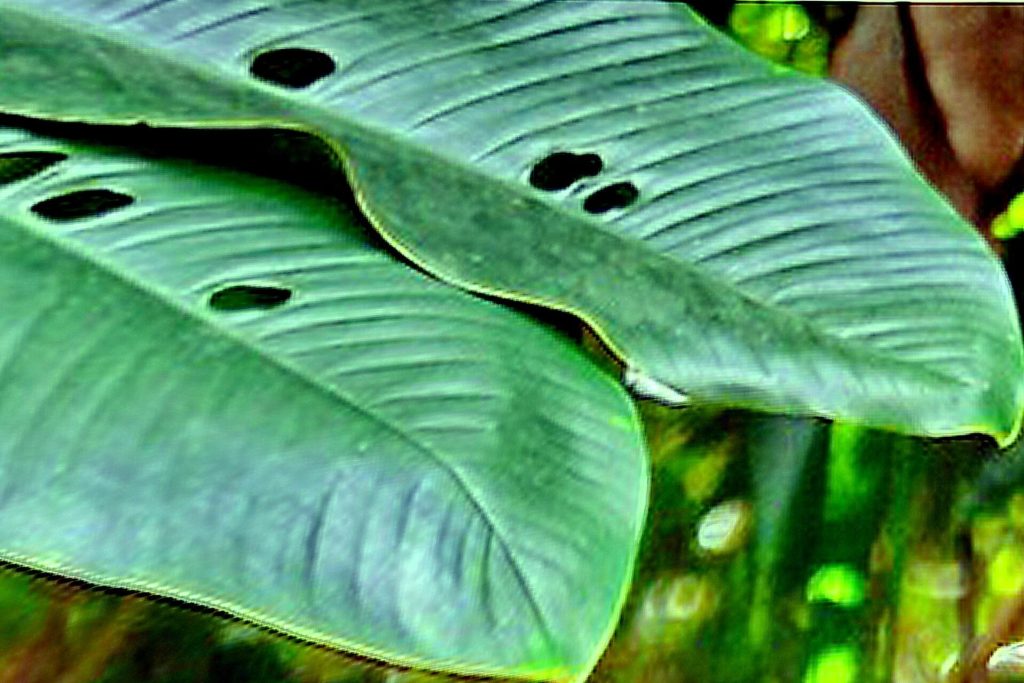
Rhaphidophora foraminifera, commonly known as the Ant-Plant due to its association with ants in its native habitat, is a captivating climbing plant prized for its strikingly patterned, deeply lobed leaves. Its popularity among houseplant enthusiasts is soaring, driven by its relatively low maintenance requirements and the dramatic aesthetic it brings to indoor spaces. Unique aspects, such as its relatively fast growth rate and the dramatic variation in leaf shape depending on maturity and growing conditions, contribute significantly to its appeal. Propagating this beauty, however, presents some unique challenges.
Seed Germination:
Currently, there are no known reliable methods for seed germination propagation of Rhaphidophora foraminifera. While the plant does produce seeds, reliable germination in a controlled environment has yet to be documented. This is likely due to factors such as specific symbiotic relationships required for germination in its natural environment, or the demanding conditions needed to mimic that environment. Further research into the plant’s reproductive biology is necessary to unlock the potential of seed propagation.
Cuttings:
Propagating Rhaphidophora foraminifera via stem cuttings is the most common and reliable method.
Challenges: The main challenge lies in achieving successful rooting. Cuttings can be prone to rot if not properly cared for. Finding the right balance of humidity and warmth is crucial.
Practical Tips: Use sharp, clean tools to take cuttings, ideally from healthy, actively growing stems. Select cuttings with at least one node (where leaves emerge). Remove lower leaves that would be submerged in the propagating medium. Dip the cut end in rooting hormone for optimal results. Propagate in a well-draining mix (e.g., perlite and peat moss) or directly in water, keeping the humidity high using a propagator dome or plastic bag. Maintain consistent warmth (around 75-80°F) and indirect sunlight.
Rewards: Cuttings offer a relatively quick and efficient method of producing new plants, maintaining the genetic characteristics of the parent plant.
Division:
Division, involving separating established plants into multiple portions, is not typically a successful method for Rhaphidophora foraminifera. The plant’s root system isn’t readily divisible, and attempts at division often result in damage and the loss of the original plant or the newly separated sections.
Tissue Culture:
Tissue culture, a sophisticated laboratory-based propagation technique, offers a potential avenue for large-scale propagation of Rhaphidophora foraminifera.
Challenges: This method requires specialized equipment, sterile conditions, and a detailed understanding of plant tissue culture techniques. It’s not a readily accessible method for the average home gardener.
Practical Tips: This method is best left to professionals or specialized laboratories.
Rewards: Tissue culture offers a high success rate and allows for rapid multiplication of desirable genotypes, enabling the mass production of plants.
Conclusion:
Propagating Rhaphidophora foraminifera presents varying levels of challenge across different methods. While seed germination remains elusive, cuttings provide a workable (though not always easy) method for most home growers. Division is generally unsuccessful, and tissue culture is best suited for large-scale operations. The rewards, however, are substantial. Successfully nurturing a new plant from a cutting, conquering the complexities of rooting, and witnessing the emergence of its characteristic leaves delivers a unique satisfaction. The journey itself, overcoming the inherent challenges associated with propagation, adds to the special bond between the grower and this exquisite plant. Don’t be discouraged by the difficulties; the beauty and rewarding nature of this plant make the effort worthwhile. Embrace the learning process, experiment with different techniques, and enjoy the journey of cultivating your own Rhaphidophora foraminifera.