
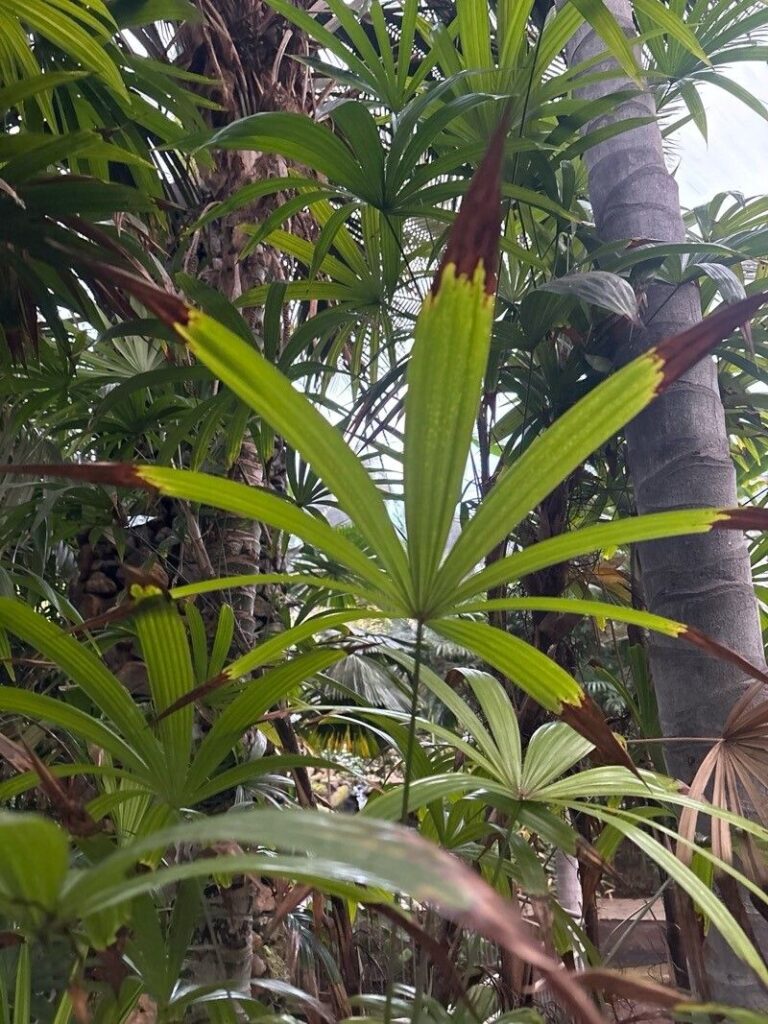
Unveiling the Secrets of Rhapis Laosensis Propagation: A Guide to Multiplying Your Lady Palms
Rhapis laosensis, the elegant and sought-after “Lady Palm” with its lush, fan-like fronds, brings a touch of tropical serenity to any space. But did you know that replicating this beauty isn’t as daunting as it seems? With a little patience and the right techniques, you can successfully propagate your Rhapis laosensis and expand your indoor jungle.
Understanding the Basics
Unlike many plants propagated from cuttings, Rhapis laosensis thrives best through division. This method involves separating the plant’s root system, which houses multiple individual plants or “suckers”, each capable of independent growth.
The Optimal Time to Divide
Spring is the sweet spot for dividing Rhapis laosensis. As the plant awakens from its winter slumber and new growth emerges, it possesses the vitality to recover quickly from division and establish strong roots.
Step-by-Step Division Guide
-
Preparation is Key: Before you begin, gather your tools: a sharp, clean knife or pruning shears, a watering can, and pots with drainage holes filled with a well-draining potting mix.
-
Gentle Removal: Carefully remove the mother plant from its pot. Loosen the soil around the roots and gently untangle them.
-
Identify Division Points: Look for natural separations in the root ball where the suckers are connected. Ideally, each division should have a healthy root system and at least three to four canes.
-
Divide and Conquer: Using your sterilized knife or shears, carefully cut through the rhizome (the underground stem) to separate the divisions. Avoid damaging the roots as much as possible.
- Potting Up Your Divisions: Place each division in a pot slightly larger than its root ball, ensuring the top of the root ball is level with the soil surface. Water thoroughly to settle the roots.
Post-Division TLC
-
Light: Choose a location with bright, indirect light for your newly potted divisions. Direct sunlight can scorch their delicate fronds.
-
Watering: Keep the soil consistently moist but not waterlogged. Allow the topsoil to dry slightly between waterings.
- Fertilizer: Hold off on fertilizing for a few months. Once you see signs of new growth, use a balanced liquid fertilizer diluted to half-strength every other watering during the growing season.
Patience is a Virtue
Remember, propagating Rhapis laosensis through division requires patience. It may take several months for your new plants to become fully established. Avoid repotting them until their roots have filled the pot and are visible at the drainage holes.
The Rewards of Propagation
While it requires a bit of effort, successfully propagating your Rhapis laosensis is incredibly rewarding. Not only will you multiply your plant collection, but you’ll also gain a deeper understanding of this elegant palm’s growth habit. So, grab your gardening tools and embark on this exciting journey – your indoor oasis awaits!