
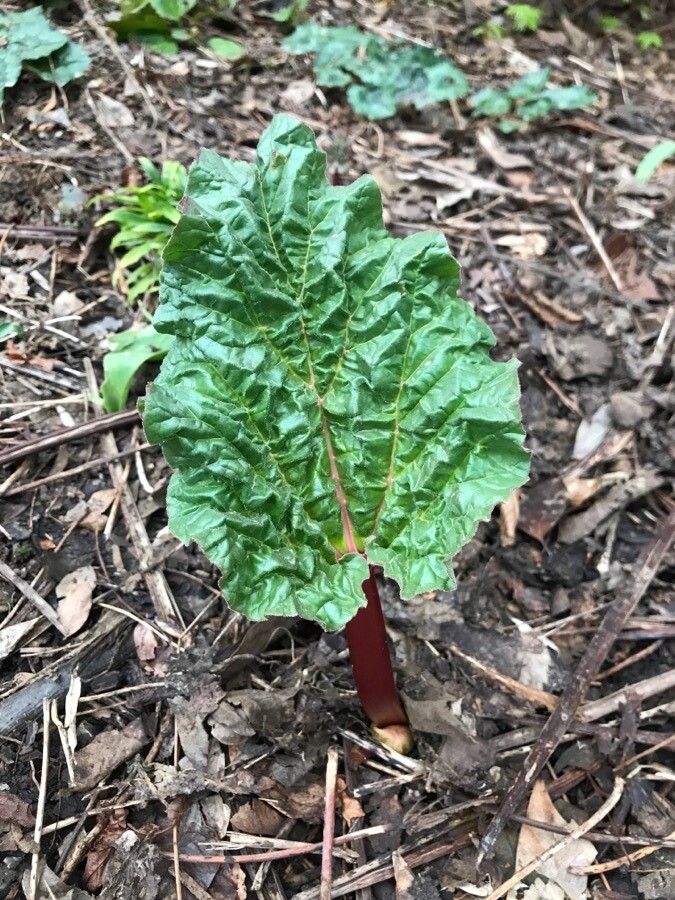
From Garden to Table: Propagating Your Own Rhubarb
Rhubarb, the tart and tangy delight of spring pies and crumbles, is a beloved garden staple. But have you ever thought about propagating your own rhubarb plants? It’s easier than you might think! This guide will walk you through the steps of propagating rhubarb, from starting with seed to the joys of harvesting your own homegrown stalks.
Starting with Seed:
While it’s perfectly possible to grow rhubarb from seeds, it’s a longer process and not the most reliable method. Seed-grown rhubarb takes two to three years before you can enjoy the first harvest. If you’re looking for quicker results, opt for the more common methods: division or crown cuttings.
Division:
This is the most straightforward and successful method for propagating rhubarb. Here’s how it works:
- Choose the right time: Late summer or early fall is the optimal time for dividing rhubarb plants.
- Prepare the plant: Carefully dig around the rhubarb clump, ensuring to remove the surrounding soil.
- Divide: Using a sharp knife or spade, separate the plant into smaller sections, each containing at least one healthy growing point (bud).
- Plant the divisions: Plant each division in a well-prepared bed with rich, well-drained soil.
- Water thoroughly: Keep the soil consistently moist for the first few weeks after planting.
Crown Cuttings:
This method involves taking cuttings from the rhubarb crown.
- Choose healthy crown: Select a strong, healthy crown from a mature plant.
- Take cuttings: Using a sharp knife, cut sections of the crown, ensuring each cutting has at least one growing point.
- Prepare the cuttings: Dip the cut ends of the cuttings in a rooting hormone solution.
- Plant the cuttings: Plant the crown cuttings in a moist, well-drained seed starting mix.
- Cover with plastic: Cover the container with plastic wrap to maintain humidity.
- Maintain humidity: Keep the soil moist and ensure good ventilation.
- Transplant to garden: Once the cuttings have developed roots (after a few weeks), transplant them into your garden bed.
Tips for Success:
- Choose a sunny spot with good air circulation for your rhubarb plants.
- Amend the soil with compost or aged manure for optimal growth.
- Water regularly, especially during dry periods.
- Fertilize your rhubarb plants in early spring with a balanced fertilizer.
- Harvest stalks when they are young and tender.
From Seed to Harvest:
While propagating rhubarb from seed will take a little longer, it’s a rewarding experience. Whether you opt for division or crown cuttings for a quicker start, propagating rhubarb allows you to enjoy the fresh, vibrant flavors of this classic garden vegetable for years to come.
So, get your gardening gloves ready, choose your method, and start growing your own bountiful patch of rhubarb today. You’ll be enjoying delicious rhubarb pies and tarts from your very own garden in no time!