
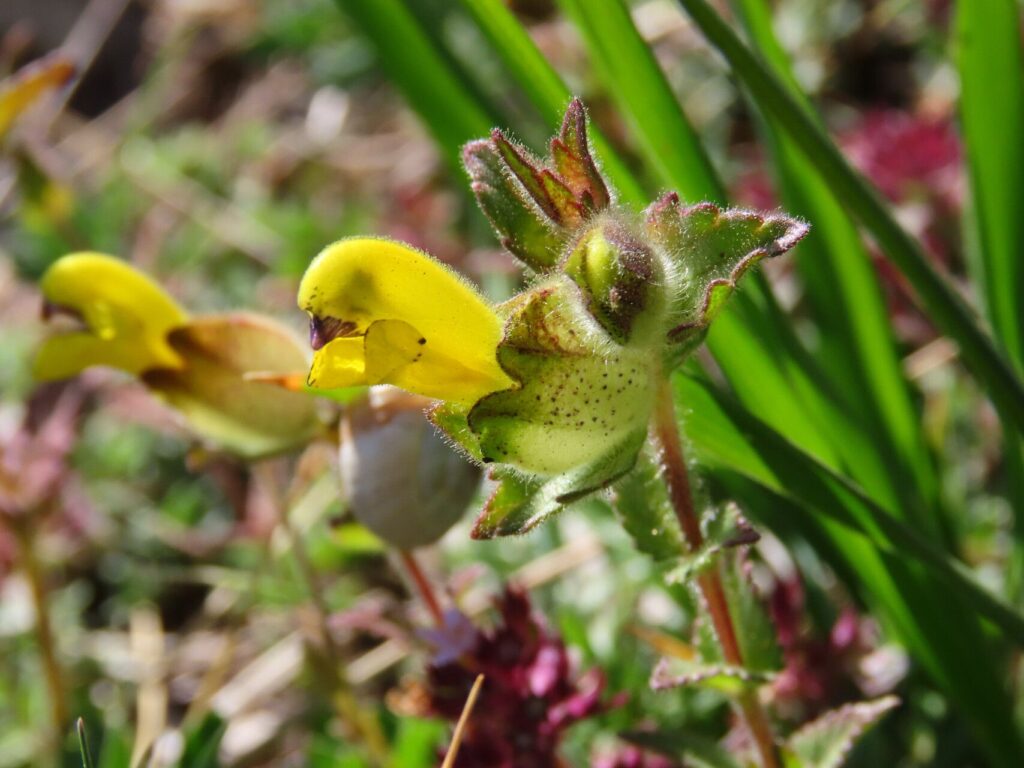
Cultivating Conservation: A Guide to Propagating the Rare Yellow Rattle (Rhinanthus wettsteinii)
The Yellow Rattle – a cheerful name for a plant that plays a crucial role in meadow ecosystems. However, one species, Rhinanthus wettsteinii, faces an uphill battle for survival. Found only in a few scattered locations, this rare wildflower needs our help to thrive. The good news? You can make a difference! By learning to propagate Rhinanthus wettsteinii, we can contribute to its conservation and the health of our grasslands.
Understanding Rhinanthus wettsteinii
Rhinanthus wettsteinii belongs to a fascinating group of plants known as hemiparasites. This means they can photosynthesize and produce their own food, but they also obtain nutrients by tapping into the roots of nearby plants. Specifically, Yellow Rattle targets grasses. While this may sound a bit “villainous,” it’s actually a beneficial relationship for meadow ecosystems. By suppressing vigorous grasses, Rhinanthus wettsteinii allows other wildflowers to flourish, creating a richer and more biodiverse habitat.
Why Propagate?
As mentioned earlier, Rhinanthus wettsteinii is considered rare and threatened in many areas. This is often due to habitat loss, degradation, and changes in land management practices. By learning to propagate this valuable wildflower, we can:
- Increase its population: Propagation provides a way to produce new plants and reintroduce them to suitable habitats, boosting declining populations.
- Support conservation efforts: Many organizations work tirelessly to protect biodiversity. Learning to propagate Rhinanthus wettsteinii offers a tangible way to contribute to these efforts.
- Enhance our gardens: While it’s essential to be mindful of local regulations, growing Rhinanthus wettsteinii in gardens within its native range can be a beautiful way to support local ecosystems.
Propagation Techniques
1. Seed Collection:
- The best time to collect Rhinanthus wettsteinii seeds is in late summer or early autumn, when the seed pods turn brown and rattle.
- Collect seeds on a dry day and store them in a cool, dry place until ready for sowing.
2. Sowing:
- Rhinanthus wettsteinii seeds require a period of cold stratification to germinate. This can be achieved by sowing them outdoors in the fall or by simulating winter conditions in the refrigerator.
- Sow the seeds thinly on the surface of well-drained seed compost and lightly cover them with vermiculite or a fine layer of compost.
- Keep the compost consistently moist but not waterlogged.
3. Planting Out:
- Once the seedlings have developed a couple of sets of true leaves, they can be carefully transplanted into individual pots or directly into a prepared garden bed.
- Choose a sunny location with well-drained soil that mimics the plant’s natural habitat.
- When planting, ensure that the Rhinanthus wettsteinii seedlings are placed near suitable host plants, such as grasses.
4. Maintenance:
- Water the newly planted seedlings regularly until they become established.
- Weeding is crucial in the early stages to reduce competition for resources. However, once established, Rhinanthus wettsteinii should help suppress the growth of surrounding grasses.
A Rewarding Endeavor
Propagating Rhinanthus wettsteinii is more than just gardening – it’s an act of conservation. By cultivating this remarkable wildflower, we’re not only supporting a beautiful and essential species, but we’re also contributing to the health and resilience of our ecosystems. So, why not join the effort and make a difference, one seed at a time?