
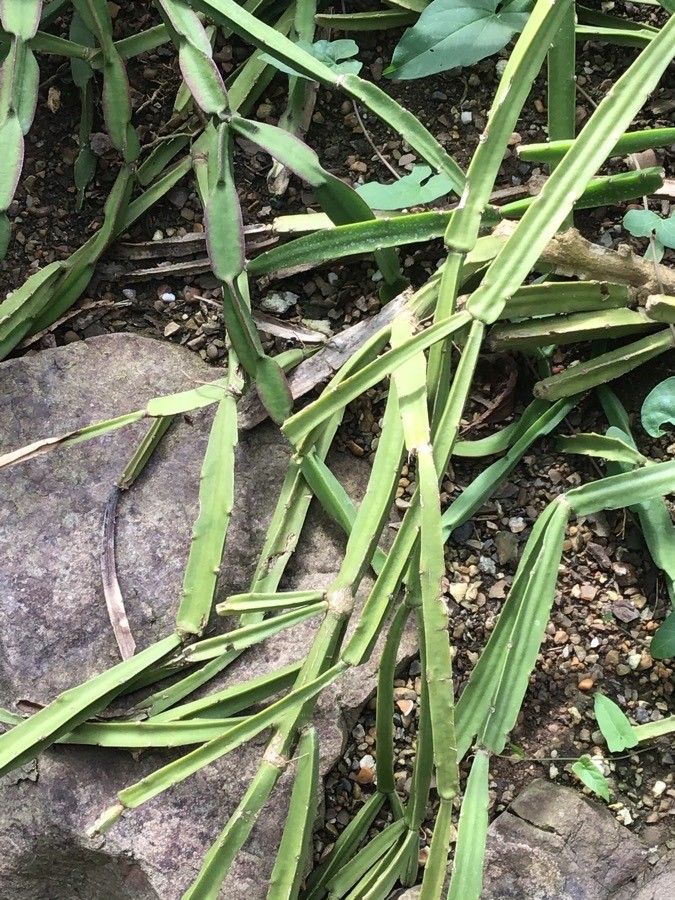
Rhipsalis Cereoides: Unlocking the Secrets to Propagation
The Rhipsalis cereoides, with its cascading tendrils and delicate blooms, is a darling of the indoor plant world. But did you know that this captivating cactus is incredibly easy to propagate? It’s true! With a little know-how, you can easily create new plants from cuttings of your existing Rhipsalis cereoides, expanding your greenery and sharing the joy of these unique plants with others.
The Power of a Cutting
Rhipsalis cereoides is a member of the cactus family, and like many cacti, it relies on stem cuttings for propagation. The process is simple, relying on the plant’s natural ability to regenerate from severed parts. Here’s a breakdown of the steps:
-
Selecting Your Cutting: Choose a healthy, mature stem segment that’s at least 3-4 inches long. Make sure it’s free from any signs of disease or damage.
-
Clean and Sharp: Use a clean, sharp knife or pair of pruning shears to make a clean cut at the base of the stem. Aim for a straight cut that exposes a fresh surface.
-
Callusing Time: Allow the cut edge of the stem to dry and form a callus for a few days. This process prevents rot and promotes root development.
-
Planting Time: After callusing, select a well-draining potting mix, preferably one formulated for cacti and succulents. Fill a small pot or container with the mix, creating a shallow indentation for the cutting. Gently insert the cutting into the indentation, ensuring that at least an inch of the stem is buried.
- Watering and Patience: Water the cutting sparingly, allowing the soil to dry slightly between waterings. Avoid overwatering, as this can lead to rot. Patience is key in propagation, as it may take a few weeks or even months for roots to develop.
Enhancing Success
While propagation through cuttings is generally straightforward, a few extra steps can enhance the success rate:
-
Environment Matters: Provide the cutting with bright, indirect light and warm temperatures. Avoid direct sunlight, which can scorch the delicate stems.
-
Root Hormones: A rooting hormone powder or liquid solution can encourage faster root development. Simply dip the cut end of the stem in the hormone before planting.
-
Misting: Regular misting can help maintain high humidity levels around the cutting, particularly in dry environments.
Bonus Tip: Once the cutting starts to develop roots, you can gently tug on the base to assess its strength. If it feels secure, you can gently pot it up into a larger container.
Enjoying the Bounty
The journey from cutting to mature plant might take time, nhưng the reward is well worth it. You’ll have the satisfaction of expanding your Rhipsalis cereoides family with a plant that’s genetically identical to the original. Not only will you have beautiful, cascading greenery to enjoy, but you will also have the potential to share the joy of propagation with others.
Beyond Propagation: Caring for Your Rhipsalis Cereoides
To nurture your Rhipsalis cereoides and ensure its flourishing, remember these key care tips:
- Water Wisely: Water your plant thoroughly when the top inch of soil is completely dry. It’s better to err on the side of underwatering than overwatering.
- Sunlight: Bright, indirect light is ideal. Avoid direct sunlight, as it can scorch the delicate stems.
- Fertilize: During the active growing season (spring and summer), feed your plant with a balanced, diluted cactus fertilizer once a month.
With a little patience and care, your Rhipsalis cereoides will reward you with its unique charm, delicate blooms, and a reminder of the wonders of plant propagation. Enjoy cultivating your own miniature jungle of these beautiful epiphytes!