
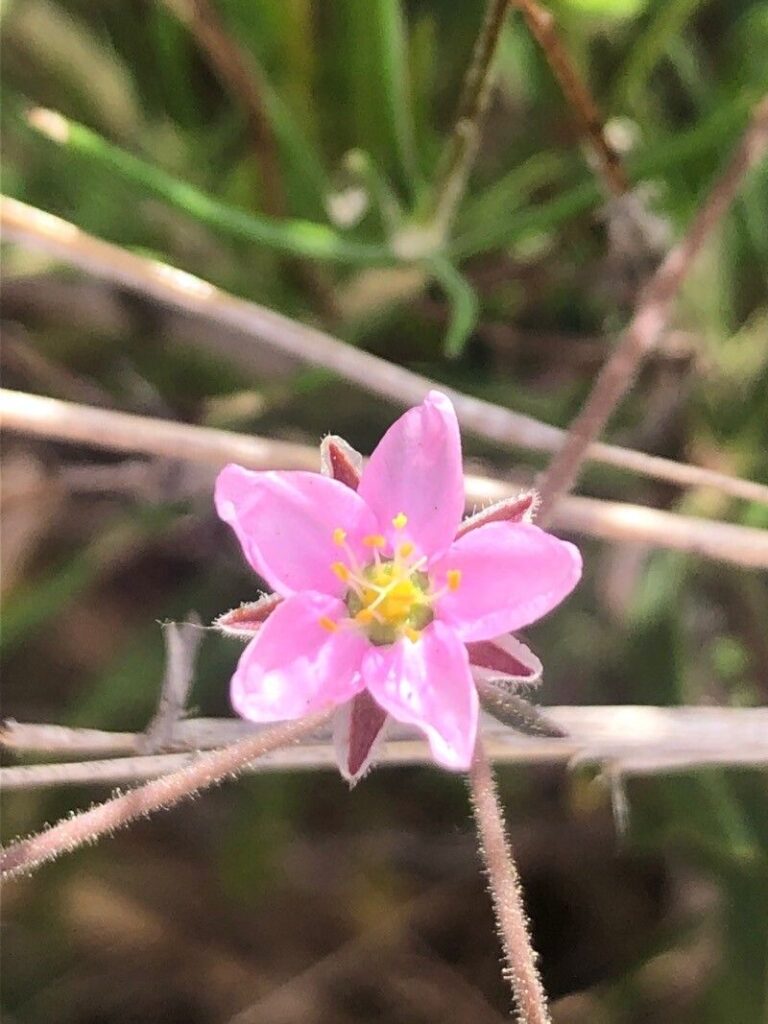
Bending the Knee to Beauty: Propagating the Delicate Charm of Rhodalsine geniculata
The plant world offers a treasure trove of unique and captivating species, each with its own story to tell. Today, we turn our attention to a charming little gem known as Rhodalsine geniculata, a plant brimming with delicate beauty and an intriguing name that hints at its unique characteristics.
Rhodalsine geniculata, also known as the “kneed catchfly,” is a low-growing perennial native to Southern Europe. It boasts slender stems that “kneel” gracefully, adorned with narrow leaves and topped with clusters of delicate pink flowers that bloom from late spring to early summer.
While this plant is relatively uncommon in cultivation, its subtle charm and ease of care make it a rewarding addition to rock gardens, alpine troughs, or even as a charming groundcover. And the best part? Propagating Rhodalsine geniculata is an adventure achievable even for beginner gardeners!
Two Paths to Multiplication
There are two primary methods for propagating Rhodalsine geniculata:
1. Seed Sowing:
- Timing is Key: Spring is the ideal time to sow your Rhodalsine geniculata seeds.
- Sowing Surface: Choose a well-draining seed starting mix or a blend of peat moss and perlite.
- Light and Depth: Scatter the seeds on the surface and lightly press them in, as they require light to germinate.
- Moisture Matters: Keep the soil consistently moist but avoid overwatering.
- Patience is a Virtue: Germination can take anywhere from a few weeks to a couple of months, so don’t fret if you don’t see sprouts immediately.
- Transplant Time: Once the seedlings are large enough to handle, transplant them to individual pots or their designated space in your garden.
2. Division:
- The Ideal Candidate: Division is best performed on established plants that have formed clumps.
- Time for Separation: Early spring, just before new growth emerges, is the perfect time to divide your Rhodalsine geniculata.
- Gentle Hands: Carefully lift the plant from the ground, loosening the soil around the roots.
- Sharp and Clean: Use a clean, sharp knife or garden shears to divide the plant into sections, ensuring each section has a good portion of roots.
- New Homes Await: Replant the divisions at the same depth they were previously growing and water them thoroughly.
Nurturing New Life:
Whether you choose to propagate by seed or division, providing the right growing conditions for your new Rhodalsine geniculata plants is essential:
- Sunlight is Key: Choose a location with full sun to partial shade.
- Drainage is Crucial: Ensure the soil is well-draining to prevent root rot.
- Water Wisely: Water regularly during the first growing season to establish a strong root system, but allow the soil to dry out slightly between waterings.
- A Light Touch with Fertilizer: While Rhodalsine geniculata is not a heavy feeder, applying a balanced liquid fertilizer a few times during the growing season can support healthy growth.
Reap the Rewards of Patience:
Propagating Rhodalsine geniculata might require a touch of patience, but the reward of witnessing this delicate beauty grace your garden is well worth the effort. So, roll up your sleeves, embrace the art of propagation, and add a touch of understated elegance to your outdoor haven with the charming kneel of Rhodalsine geniculata.