
Propagating the Gloriosa Daisy: Unveiling the Secrets of Rhodanthe manglesii
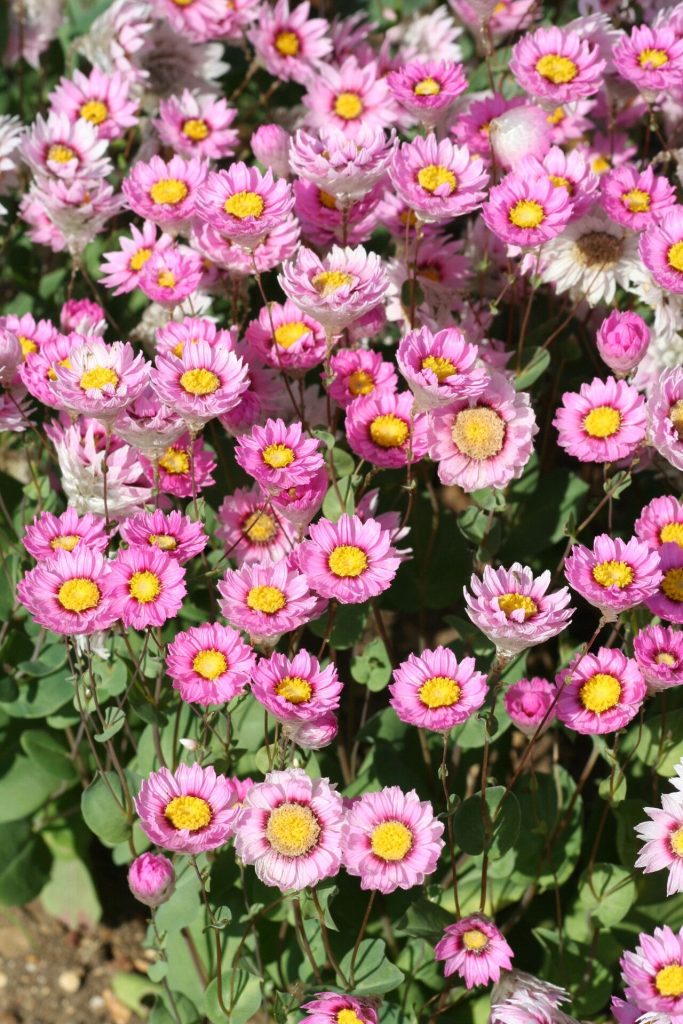
Rhodanthe manglesii, commonly known as the Gloriosa Daisy, is a captivating annual native to Western Australia. Its exquisite, papery blooms in shades of white, pink, and rose, adorned with a delicate yellow center, make it a prized possession among flower enthusiasts. Its relatively short lifespan, however, necessitates efficient propagation methods to ensure its continued enjoyment in gardens worldwide. Unique to its propagation are its relatively small seed size and the delicate nature of its stems, posing challenges for both seed germination and cutting propagation.
Seed Germination:
Seed germination is a viable, albeit somewhat challenging, method for propagating Rhodanthe manglesii. The small seeds require careful handling to avoid damage. Challenges include low germination rates if seeds are not fresh and sensitive response to both temperature and moisture levels.
Tips for Success:
- Seed Source: Use fresh seeds harvested directly from healthy plants. Older seeds significantly reduce germination rates.
- Sowing Technique: Sow seeds thinly on the surface of a well-draining seed-starting mix. Avoid burying them deeply, as this can hinder germination.
- Light Requirements: Seeds need light for germination; do not cover the seed tray.
- Moisture: Maintain consistently moist (but not waterlogged) conditions until germination, using a fine mist spray.
- Temperature: Ideal germination temperatures range from 18-21°C (64-70°F).
- Stratification: While stratification (cold treatment) isn’t typically required, slightly cooler temperatures around 15°C for a few weeks before sowing may improve results.
Rewards: Successful seed germination offers the greatest genetic diversity, providing a range of variations within the species. It also allows for large-scale propagation if sufficient numbers of seeds are available.
Cuttings:
Propagating Rhodanthe manglesii from cuttings is possible but presents significant challenges. The stems are quite delicate and prone to rotting.
Challenges:
- Rooting Difficulty: The success rate is often low due to the susceptibility of cuttings to fungal diseases.
- Stem Delicacy: The stems are fragile and easily damaged during handling.
Tips (for limited success):
- Timing: Take semi-hardwood cuttings in spring or early summer, when the plant is actively growing but not flowering.
- Hormones: Use a rooting hormone to increase the chances of root development.
- Environment: Maintain high humidity and warmth (around 20°C) using a humidity dome or propagator.
- Medium: Use a well-draining, sterile medium like perlite or vermiculite.
Rewards: Limited, as success rates are low. Cuttings offer a quicker propagation method compared to seeds, assuming successful rooting.
Division:
Division is not a feasible method for propagating Rhodanthe manglesii as it’s an annual. The plant completes its life cycle in a single season and does not form the type of rhizomes or root systems suitable for division.
Tissue Culture:
Currently, there is limited information available on tissue culture propagation of Rhodanthe manglesii. While theoretically possible, it requires specialized equipment and expertise and is not a readily accessible method for home gardeners.
Conclusion:
Propagating Rhodanthe manglesii presents unique challenges across all methods. Seed propagation offers the most potential for large-scale production and genetic diversity, but requires patience and attention to detail. Cuttings offer a faster alternative but with a significantly lower success rate. Tissue culture remains an unexplored avenue for many amateurs. The difficulties, however, only amplify the sense of accomplishment when one successfully cultivates this exquisite daisy. The delicate beauty of the Gloriosa Daisy serves as a constant reminder that the rewards of diligent propagation efforts far outweigh the challenges involved. For aspiring propagators, beginning with seed sowing, while understanding the challenges, will offer the best chance of success. Remember to prioritize fresh seeds, meticulous care, and a healthy dose of patience.