
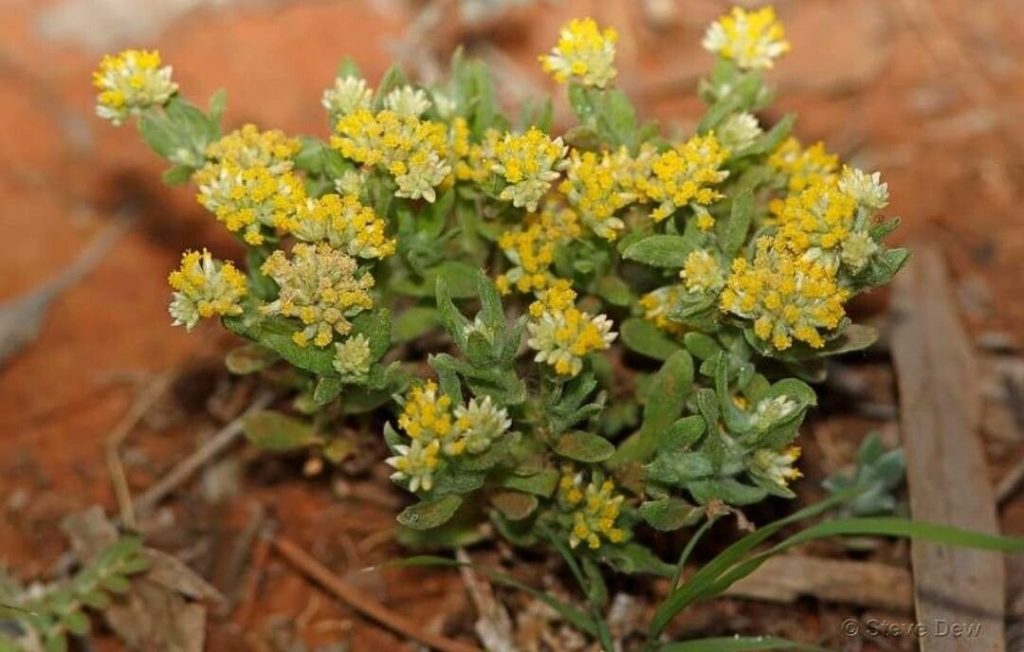
Propagating the Sweetest of Flowers: A Guide to Rhodanthe moschata
Introduction:
Rhodanthe moschata, commonly known as the fringed waxflower or swamp daisy, is a captivating annual or short-lived perennial native to Australia. Its delicate, papery flowers, boasting a profusion of fringed petals in shades of white, pink, and crimson, make it an extremely popular choice among gardeners seeking a touch of whimsical elegance. Its relatively short lifespan, however, makes propagation crucial for ensuring continued enjoyment of this charming plant. While its stunning beauty is readily appreciated, successfully propagating Rhodanthe moschata presents unique challenges and rewards.
Seed Germination:
Seed germination is a viable, though sometimes challenging, method for propagating Rhodanthe moschata. The primary challenge lies in achieving optimal germination rates. While the seeds themselves are relatively easy to obtain, they often possess a low germination percentage and can be sensitive to environmental conditions.
Challenges: Seeds may require a period of stratification (cold treatment) to break dormancy. Poor soil drainage, fluctuating temperatures, and fungal diseases can also hinder germination.
Practical Tips: Sow seeds in well-drained seed-starting mix in individual pots or trays in spring. Stratify seeds by chilling them at around 4°C (39°F) for 4-6 weeks before sowing. Maintain consistently moist but not waterlogged conditions. A warm and sunny location with adequate ventilation is beneficial. Gentle bottom heat can improve germination rates.
Rewards: Seed propagation offers the greatest genetic diversity, allowing for the potential development of new color variations and greater hardiness. It is also a cost-effective method for large-scale propagation.
Cuttings:
Currently, there are no known reliable methods for propagating Rhodanthe moschata from cuttings. The plant’s physiology doesn’t readily lend itself to this propagation technique.
Division:
Division is not a practical method for propagating Rhodanthe moschata as it typically behaves as an annual or very short-lived perennial, forming a limited root system, which doesn’t readily lend itself to division.
Tissue Culture:
Tissue culture is a technically advanced method that could potentially be used to propagate Rhodanthe moschata. However, establishing reliable protocols requires specialized equipment, expertise, and a sterile environment.
Challenges: Tissue culture necessitates aseptic techniques to prevent contamination. Finding the optimal growth medium and hormone balance to induce shoot proliferation and root development presents a significant scientific challenge.
Practical Tips: This method is not recommended for the home gardener. It is best left to specialists with access to laboratories and the requisite skills.
Rewards: Tissue culture allows for mass propagation of genetically uniform plants in a controlled environment. This is especially valuable for preserving rare cultivars or for commercial production.
Conclusion:
Propagating Rhodanthe moschata presents both challenges and significant rewards. While seed propagation offers the possibility of genetic diversity and is the most accessible method for home gardeners, the lower germination rates and environment sensitivity require patience and attention to detail. The lack of reliable cutting and division methods restricts the propagation options, highlighting the importance and potential of tissue culture for professional horticulture.
The satisfaction derived from successfully cultivating this delicate beauty from seed, after navigating the challenges of germination, is immeasurable. The vibrant blooms that emerge reward the propagator’s efforts with a display of captivating charm. Don’t be discouraged by the challenges; the delicate beauty of Rhodanthe moschata, carefully nurtured from seed, makes the effort well worthwhile. Embrace experimentation, carefully observe your seedlings, and savour the unique delight of watching this enchanting flower grace your garden.