
Unlocking the Secrets of Rhododendron Album Propagation: A Gardener’s Guide
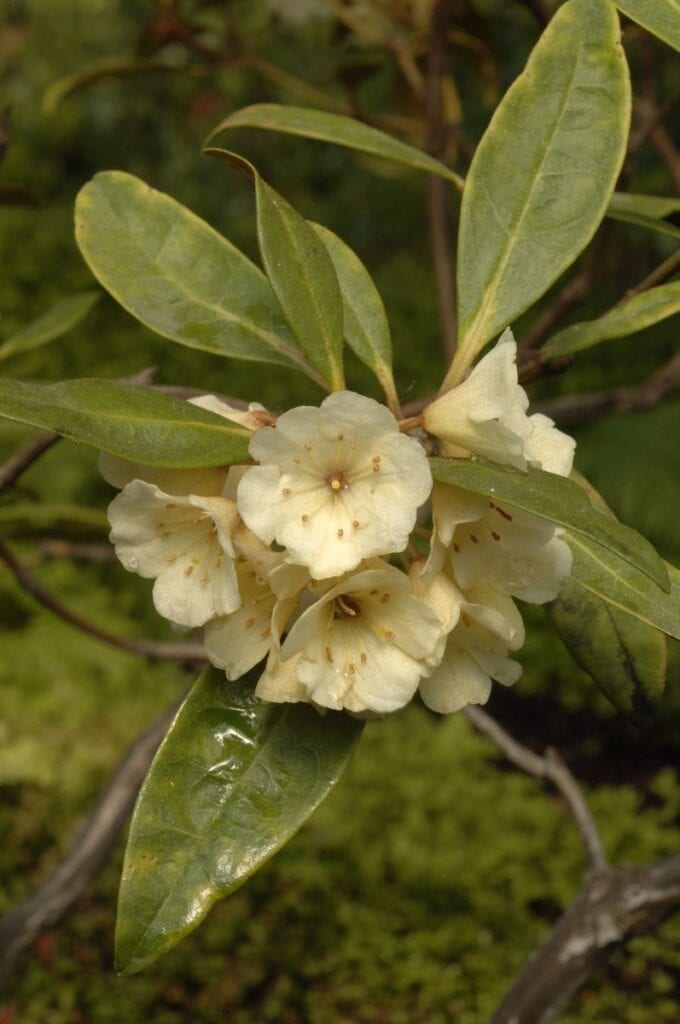
Rhododendron album, with its elegant white blooms and lush foliage, is a prized addition to any garden. But did you know that you can multiply your floral bounty by propagating new plants from existing ones? While it might sound daunting, propagating Rhododendron album is a rewarding process that even beginner gardeners can master. Let’s delve into the different methods and discover the secrets to success.
Understanding the Basics
Before we dive into the techniques, it’s important to understand the ideal conditions for Rhododendron album propagation. Timing is key, with late spring to early summer considered optimal, when the plant’s energy is focused on growth. Utilizing a well-draining rooting medium, mimicking the slightly acidic soil pH these beauties prefer, is crucial for healthy root development. Lastly, patience is a virtue; remember that propagation takes time and not every attempt will be successful.
The Power of Cuttings: Stem and Leaf
Stem cuttings are the most popular and generally successful method for propagating Rhododendron album. Here’s a step-by-step guide:
- Take your cuttings: Select healthy, non-flowering stems about 4-6 inches long. Using sterilized pruning shears, make a clean cut just below a leaf node.
- Prepare the cuttings: Remove leaves from the lower two-thirds of the stem, leaving 2-3 sets of leaves at the top. To encourage rooting, dip the bottom inch of the stem in rooting hormone powder (optional but recommended).
- Planting and care: Plant each cutting in a pot filled with a well-draining rooting mix. Ensure the leaf nodes where you removed the bottom leaves are buried.
- Create a humid environment: Cover the pot with a plastic bag or place it in a propagator to maintain high humidity around the cuttings.
- Patience is key: Place the cuttings in a bright location, out of direct sunlight. Keep the soil consistently moist but not soggy. It can take 8-12 weeks for roots to develop.
Leaf cuttings, while requiring more finesse, can also be successful:
- Select healthy leaves: Choose young, firm leaves with a small section of stem attached (called a petiole).
- Prepare the cuttings: Dip the petiole in rooting hormone.
- Plant the cuttings: Place the petiole into the rooting mix, burying it completely.
- Care and patience: Follow the same care instructions as for stem cuttings. Be patient, as leaf cuttings can take up to 6 months to develop roots.
Layering: A Gentle Approach
Layering is a less common but highly effective method for propagating Rhododendron album, especially for varieties that are difficult to root from cuttings. This technique encourages root development while the branch is still attached to the mother plant:
- Select a flexible branch: Choose a low-growing, healthy branch.
- Wound the branch: Gently wound the underside of the branch by making a small, upward cut or scraping away a layer of bark, exposing the cambium layer.
- Apply rooting hormone (optional): Dust the wounded area with rooting hormone powder.
- Bury the wounded section: Bend the branch down and secure the wounded section in a small trench filled with a rooting mix.
- Secure and maintain moisture: Use a landscape pin or rock to hold the branch in place. Keep the soil consistently moist.
- Separation: After several months to a year, check for root development. Once roots have formed, carefully sever the layered branch from the mother plant and pot it up individually.
Conclusion:
Propagating your Rhododendron album might seem like a horticultural feat, but with the right knowledge and a little bit of care, it is an achievable and immensely satisfying process. Whether you choose the popular method of stem cuttings, the meticulous technique of leaf cuttings, or the gentle approach of layering, remember that patience is key. Through observation and practice, you will soon be welcoming new generations of this exquisite plant into your garden, each a testament to your dedication and green thumb.