
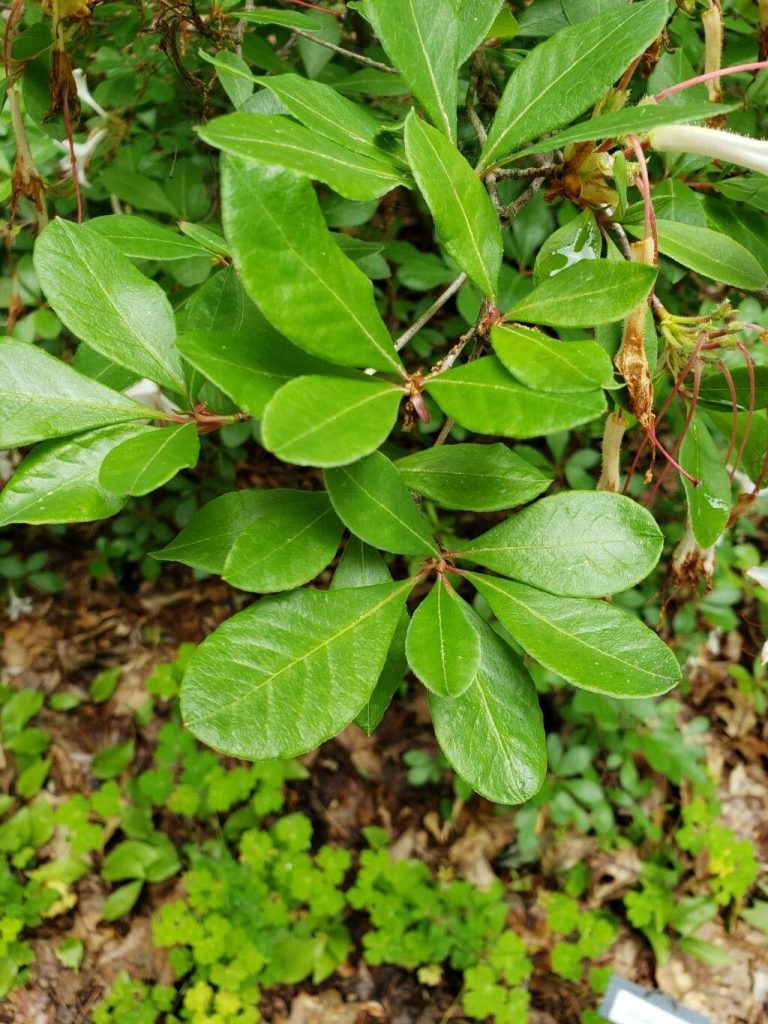
Propagating the Sweet Rhododendron: A Gardener’s Guide to Rhododendron arborescens
Introduction:
Rhododendron arborescens, commonly known as the Sweet Rhododendron, is a deciduous azalea renowned for its captivating, fragrant, and sweetly scented white to pale pink flowers that bloom in summer. Its upright, somewhat tree-like growth habit (hence the “arborescens” designation), and tolerance of slightly drier conditions than some other rhododendrons make it a desirable addition to many gardens. Its propagation, however, presents unique challenges that appeal to both seasoned gardeners and ambitious novices alike. While readily available as established plants, propagating Rhododendron arborescens from scratch offers the rewarding experience of nurturing a plant from its nascent stages, and potentially creating a unique genetic variant.
Seed Germination:
Seed germination of Rhododendron arborescens is possible, but it presents significant challenges. Seeds are notoriously slow to germinate and often have low viability.
Challenges: The primary challenge lies in the need for cold stratification. The seeds require a period of cold, moist storage to break dormancy before they can germinate.
Practical Tips: Collect seeds as soon as the seed pods turn brown but before they split open. Clean the seeds and sow them in a well-draining seed-starting mix. Stratify the seeded mix for 2-4 months at temperatures near 4°C (39°F). After stratification, sow the seeds on the surface of the mix ensuring good moisture retention and light. The seedlings will be tiny and may take several months to appear. Keep them consistently moist but avoid overwatering which leads to fungal growth. Grow these seedlings in a partially shaded, protected environment with high humidity.
Rewards: Successfully germinating Rhododendron arborescens from seed yields genetically diverse plants. This is invaluable for breeders seeking to develop new varieties or maintain the genetic integrity of wild populations. It’s also a gratifying process.
Cuttings:
Cuttings offer a more reliable and faster method than seed propagation for Rhododendron arborescens.
Challenges: Rooting cuttings can be tricky due to their tendency to rot before rooting. Selecting healthy, actively growing shoots is crucial for success.
Practical Tips: Take semi-hardwood cuttings (partially matured growth) in late summer or early autumn. Use a sharp knife or shears to make clean cuts, ensuring the cutting is 4-6 inches long with several leaf nodes. Remove lower leaves to avoid rot and dip the base in rooting hormone. Plant in a well-draining propagation mix (e.g., perlite and peat moss) and maintain high humidity (using a humidity dome or plastic bag). Maintain a consistently moist but not soaking wet environment. Proper bottom heat can also enhance root development.
Rewards: Cuttings offer a quicker path to a mature plant compared to seed propagation and are more likely to maintain the parent plant’s characteristics.
Division:
Division is generally not a feasible propagation method for Rhododendron arborescens. This species doesn’t readily form the clumping growth habit suitable for division.
Tissue Culture:
Tissue culture is a highly specialized propagation method for Rhododendron arborescens.
Challenges: This technique requires a sterile laboratory environment, specialized equipment, and expertise in plant tissue culture procedures. It is not a practical method for the home gardener.
Practical Tips: This method is best left to commercial nurseries or research institutions specializing in plant propagation.
Rewards: Tissue culture permits mass propagation in a controlled environment, producing many clones quickly.
Conclusion:
Propagating Rhododendron arborescens, while challenging, offers a unique and fulfilling experience. Seed germination, though slow and uncertain, provides the thrill of creating genetic diversity. Cuttings provide a more reliable, albeit still delicate, pathway to success. The rewards–a sweetly scented, flourishing plant grown by your own hand–far outweigh the difficulties for the dedicated gardener. Remember patience and consistent attention to detail are key factors for success. Don’t be discouraged by initial setbacks; the eventual flowering of your propagated Sweet Rhododendron will be a testament to your perseverance and horticultural skills.