
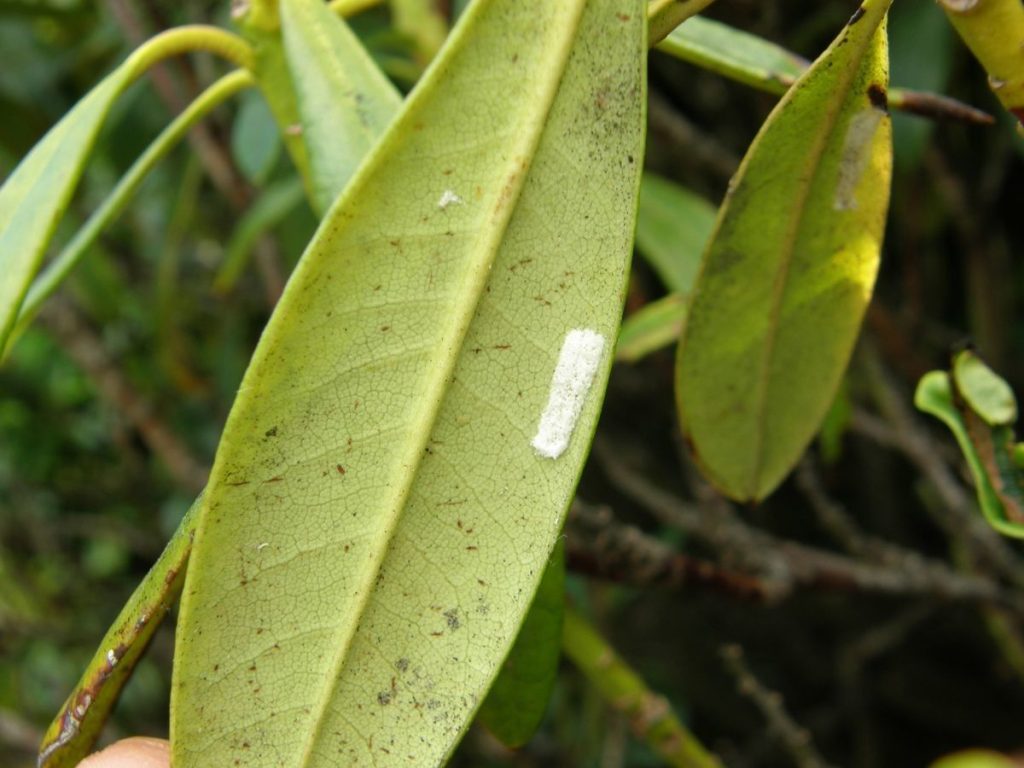
Propagating Rhododendron × sochadzeae: A Gardener’s Guide
Introduction:
Rhododendron × sochadzeae, a hybrid rhododendron, is prized by gardeners for its striking blooms and often compact habit. Its exact parentage varies depending on the cultivar, but generally features desirable traits making it a popular choice for landscaping. However, its propagation can present unique challenges. This article explores various methods for propagating this hybrid, highlighting the successes and setbacks, and offering guidance for aspiring cultivators.
Seed Germination:
Currently, there are no known reliable methods for seed germination propagation of Rhododendron × sochadzeae. This is likely due to the hybrid nature of the plant, leading to inconsistent seed viability and germination rates. While seed from closely related species may germinate readily with appropriate stratification (a period of cold, moist storage), success with Rhododendron × sochadzeae seed has not been widely documented. Further research might reveal successful protocols, but currently, seed propagation is not a recommended method.
Cuttings:
Cuttings offer a more reliable method for propagating Rhododendron × sochadzeae. However, success relies heavily on technique and timing.
Challenges: Rooting cuttings can be slow and challenging. The success rate varies depending on factors like the age and health of the parent plant, the cutting’s maturity, and the rooting medium and environment.
Practical Tips: Semi-hardwood cuttings taken in late summer or early autumn generally work best. Use a sharp, clean blade to take 4-6 inch cuttings, removing lower leaves to prevent rotting. Dip the cut ends in a rooting hormone powder before planting in a well-draining mix (e.g., perlite and peat moss). Maintain high humidity using a propagator or by covering the cuttings with a plastic dome. Consistent bottom heat (around 70-75°F) can significantly increase success rates.
Rewards: Cuttings produce genetically identical plants, preserving the desirable traits of the parent plant. It’s also an efficient method for relatively quick propagation, especially when compared to growing from seed (which isn’t viable here).
Division:
Division is generally not a feasible method for propagating Rhododendron × sochadzeae. Unlike some clump-forming shrubs, Rhododendrons typically lack easily separable root systems suitable for division. Attempting division is likely to damage the plant and reduce its chances of survival.
Tissue Culture:
Tissue culture offers a highly controlled environment, making it a potentially viable, albeit specialized method, for propagating Rhododendron × sochadzeae.
Challenges: Tissue culture requires specialized equipment, sterile conditions, and a detailed understanding of plant tissue culture techniques. The process can be expensive and time-consuming.
Practical Tips: This method necessitates a laboratory setting with access to sterile culture media, growth hormones, and other specialized equipment. Successful propagation would involve isolating plant tissue (e.g., shoot tips or leaf sections), sterilizing it, and culturing it on a suitable medium to induce shoot and root formation.
Rewards: Tissue culture allows for the large-scale production of identical plants and provides a way to propagate elite cultivars that may be difficult to propagate via other methods. This method also minimizes the risks of disease transmission.
Conclusion:
Propagating Rhododendron × sochadzeae requires careful consideration of the available methods. While seed propagation is currently unreliable, cuttings provide a reasonable approach for the home gardener, although patience and attention to detail are essential. Division is not practical, and tissue culture remains a specialized, lab-based option. The challenges inherent in propagating this hybrid highlight the unique satisfaction of eventually nurturing a healthy plant from a cutting – a testament to persistence and the gardener’s skill. For aspiring propagators, patience, meticulous attention to detail, and a willingness to learn from trial and error are crucial for success. The reward – a thriving, beautiful Rhododendron × sochadzeae – is well worth the effort.