
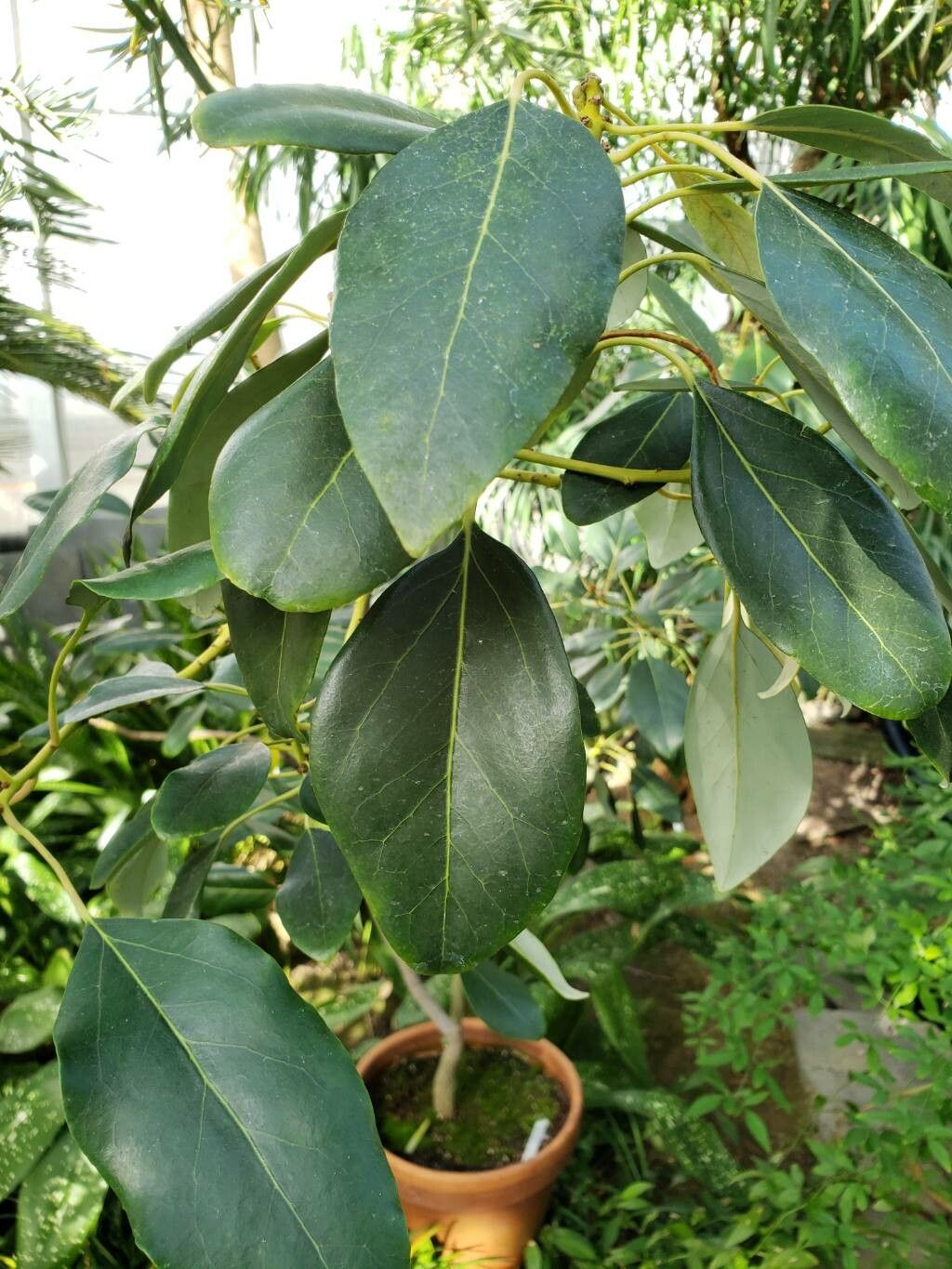
Unlocking the Secrets of Rhodoleia henryi Propagation: A Guide to Growing This Striking Tree
The Rhodoleia henryi, also known as the Henry’s Rose Tree or the Elephant’s Ear Tree, is a magnificent sight to behold. Native to China and Vietnam, this evergreen beauty boasts glossy, deep green leaves and stunning, rose-shaped blooms that grace its branches in spring. If you’re captivated by this exotic wonder and dream of welcoming it into your garden, you’re in luck! While considered a bit of a horticultural challenge, propagating Rhodoleia henryi, though not always straightforward, can be achieved with the right knowledge and a dash of patience. Let’s dive into the secrets of successfully propagating this stunning tree.
Method 1: Seed Propagation – A Test of Time and Patience
Propagating Rhodoleia henryi from seed is possible, but it’s a slow and often unpredictable process. Here’s how it’s done:
- Seed Collection & Preparation: Collect ripe seed pods in autumn when they turn from green to brown. Extract the tiny seeds and soak them in warm water for 24 hours to enhance germination.
- Sowing: Use a well-draining seed starting mix and sow the seeds thinly on the surface. Lightly press them in without burying them completely.
- Environment: Provide a warm, humid environment with bright, indirect light. A propagator with bottom heat can be beneficial.
- Patience is Key: Germination can take anywhere from a few weeks to several months. Be patient and keep the soil consistently moist but not waterlogged.
Pro Tip: Seed viability can vary greatly, so sowing a generous amount increases your chances of success.
Method 2: Semi-hardwood Cuttings – A More Reliable Approach
Taking semi-hardwood cuttings in late spring or early summer offers a higher success rate for propagating Rhodoleia henryi.
- Selecting the Cutting: Choose a healthy, non-flowering stem that is firm but still slightly flexible. The cutting should be around 6-8 inches long.
- Preparing the Cutting: Remove the lower leaves and make a clean cut just below a leaf node. Wound the base of the cutting slightly by scraping off a thin layer of bark to encourage root development.
- Planting the Cutting: Dip the base in rooting hormone and plant it in a well-draining mix of peat moss and perlite.
- Creating the Right Environment: Maintain high humidity by enclosing the pot in a clear plastic bag or using a propagation dome. Place the cutting in a brightly lit area but out of direct sunlight.
- Rooting: Be patient, as rooting can take several weeks to a couple of months. You’ll know it’s successful when new growth emerges.
Pro Tip: Mist the cutting regularly to maintain humidity and prevent it from drying out.
Nurturing Your Rhodoleia henryi
Regardless of the propagation method, providing the optimal growing conditions is crucial for healthy development:
- Soil: Well-drained, acidic soil is essential.
- Light: Prefers partial shade, especially in hotter climates, to prevent leaf scorch.
- Water: Keep the soil consistently moist but avoid overwatering.
- Fertilizer: A light application of an acid-loving fertilizer in spring will support growth.
With dedication and the right approach, you can cultivate this botanical gem and enjoy the reward of its breathtaking beauty for years to come. Just remember, patience is key, and the journey itself, from propagation to blooming, is a fulfilling and enriching experience.